
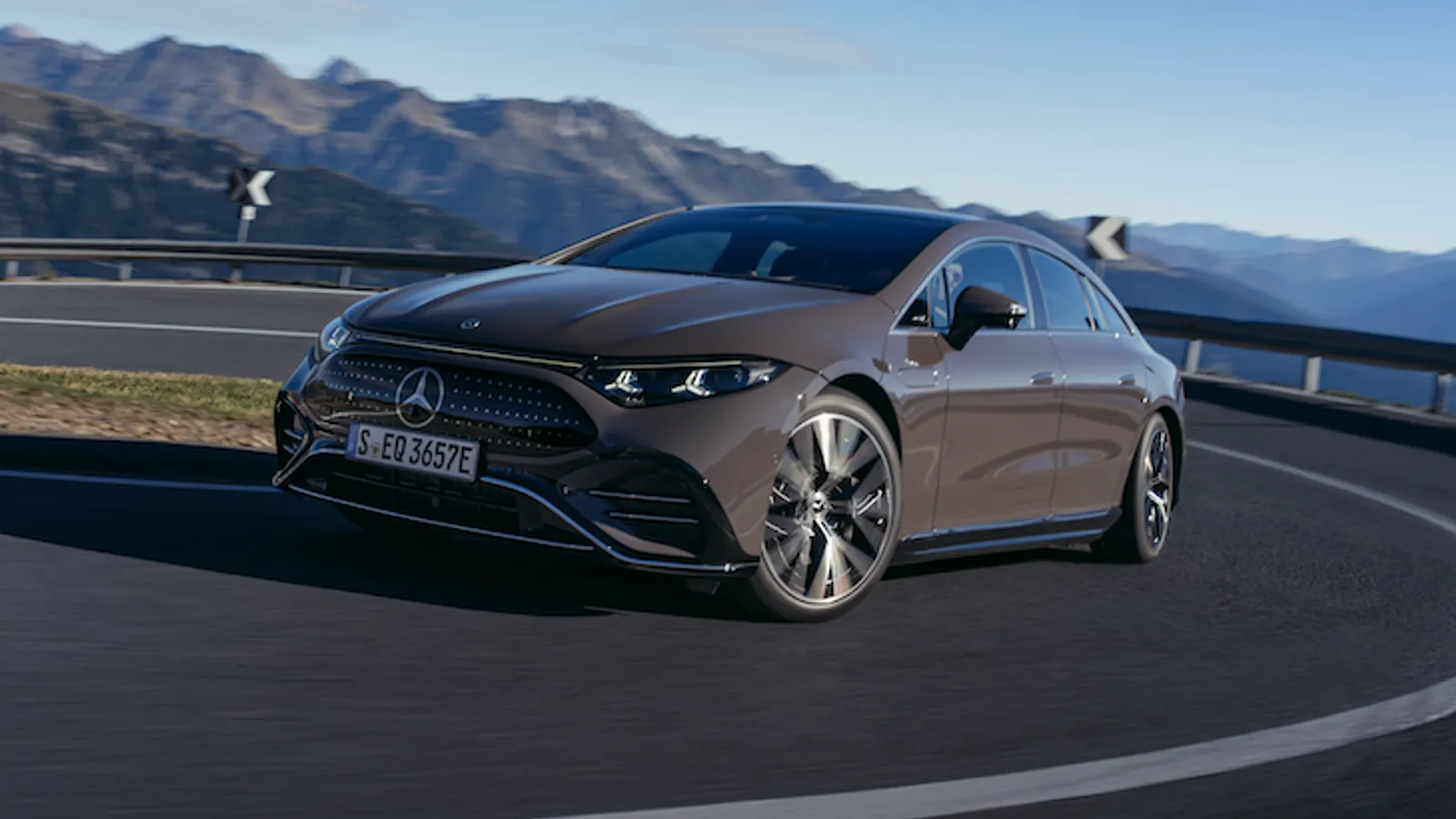


Mercedes-Benz is handing Nvidia the keys to its autonomous driving future. The German automaker announced an expanded partnership that will embed Nvidia’s Hyperion compute platform, Alpamayo software stack, and Halos safety system into the next generation of Mercedes vehicles running its MB.OS operating system.
This is not a fresh relationship. The two companies have been working together for years, and Mercedes-Benz CTO Jörg Burzer made no effort to downplay the dependency. “Nvidia is our most important strategic partner in automated driving,” he said, crediting the collaboration with producing the first Mercedes assistance system for urban point-to-point driving in the Western market.
What’s expanding is the scope. Mercedes will now use Nvidia’s full Hyperion architecture, a production-ready platform built around dual Drive AGX Thor processors and a standardized sensor suite designed to support SAE Level 4 autonomy. That means hands-off, eyes-off driving in defined conditions, the kind of capability that separates a luxury cruise-control feature from a genuine robotaxi brain.
Layered on top of Hyperion is Alpamayo, Nvidia’s open-source full-stack software platform. Nvidia describes it as a reasoning AI system that can make driving decisions resembling human judgment, not just pattern matching but contextual interpretation of complex road scenarios. Mercedes will also get Nvidia’s Halos safety system, which adds software safeguards and sensor redundancy across the entire vehicle development cycle.
The real story here is Nvidia’s accelerating grip on the auto industry’s compute layer. General Motors signed on in March 2025 to use Nvidia’s Drive AGX platform, including for a hands-free version of its Cadillac Escalade IQ electric SUV. Hyundai Motor Group followed in March 2026, announcing it would integrate Hyperion into select vehicles for both Level 2 and Level 4 applications, and Volvo is in the fold too.
Nvidia is positioning itself the way Intel once positioned itself inside the PC industry: as the indispensable silicon supplier that every manufacturer needs but none of them controls. Ali Kani, Nvidia’s automotive VP, framed it in predictably grand terms, talking about giving vehicles “the intelligence to understand the world.” Strip away the marketing language and the proposition is simpler: automakers lack the computing muscle and AI infrastructure to build this alone, and Nvidia has it.
The Hyperion platform also supports continuous, large-scale data collection from vehicles operating in real-world environments. Every Mercedes on the road becomes a training device, feeding data back to improve AI models over time. It is the same flywheel approach that Tesla has championed, but executed through a supplier relationship rather than a vertically integrated stack.
Mercedes is also using Nvidia’s engineering simulation tools inside its MO360 data platform, which creates digital twins of manufacturing processes across its global production network. The partnership extends well beyond the vehicle itself and into the factory floor.
The concentration of so much critical technology in a single supplier carries its own risks. If Nvidia stumbles on delivery timelines, or if its pricing power grows unchecked, Mercedes and its peers will have limited leverage. For now, the automakers appear willing to accept that tradeoff.
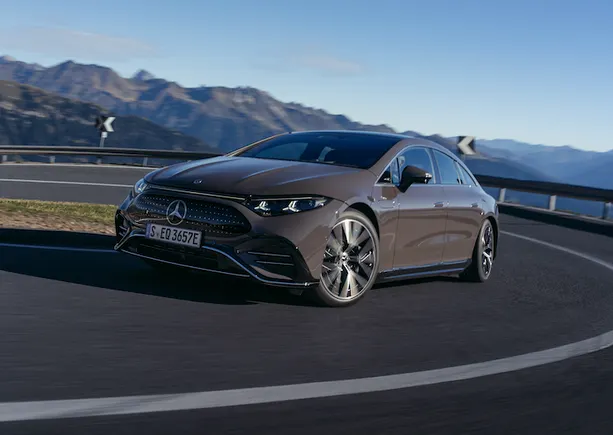
Mercedes has not disclosed which specific models will be first to receive the Hyperion-based system, or when production vehicles equipped with Level 4 capability will reach customers. The 2027 EQS already runs the current version of MB.OS, but the deeper Nvidia integration is aimed at future iterations still under development.
Share this Story