
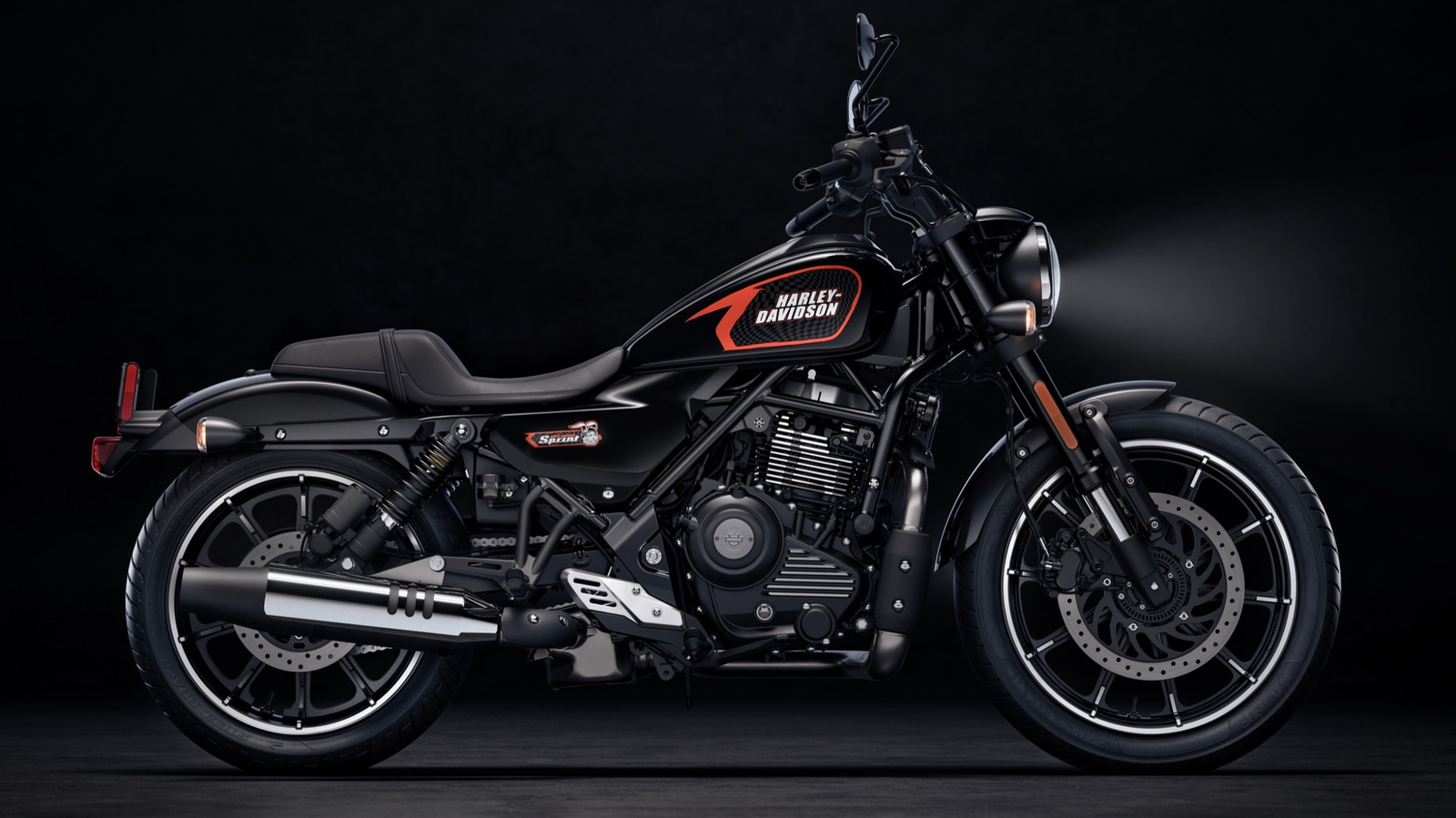


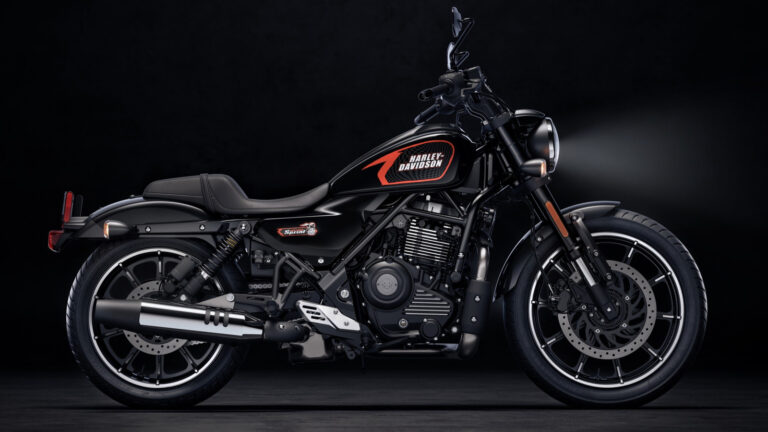
Harley-Davidson now sells a motorcycle with one cylinder, 27 horsepower, and a $6,000 sticker. It’s called the Sprint 440, and it weighs 412 pounds ready to ride.
That last number tells the story. The Sprint undercuts the lightest bike in Harley’s lineup by almost 100 pounds, so a new rider who drops it in a parking lot can pick it back up without calling friends.
For years, that rider has been shopping elsewhere. Royal Enfield and Triumph built a healthy business on small-capacity bikes while Harley kept selling machines that were too big, too heavy, and too expensive for younger buyers.
The Sprint is Milwaukee’s answer. It’s also a confession.
Look at it and the cues are all there: low seat, swept-back bars, raked forks, mag wheels. It reads Harley from across a showroom floor.
Listen to it and the illusion thins. The 440cc single makes 28 lb-ft of torque through a six-speed manual, and engineers told MCN they deliberately built roughness into the engine so it would sound more like a twin.
Think about that. The company that built its identity on the potato-potato rumble is now engineering a fake one.
The fuel numbers break from tradition too. Harley claims 80 mpg, and the 2.4-gallon tank is enough for commuting and the odd weekend run.
Standard kit covers the basics: a 3.5-inch display, LED lighting, and ABS. Options include throw-over saddlebags, a solo seat, and a clear windshield, each one dragging the price further from the $6,000 figure that got buyers through the door.
Then there’s the question of where it comes from.
The Sprint traces its roots to the X440, a bike made by India’s Hero MotorCorp and already sold with Harley badges in Asian markets. For the US, it has been adapted to Western tastes and is assembled at Harley’s Pennsylvania plant.
Assembled. Harley stops short of saying it’s built there, and that word choice is no accident.
The name carries its own baggage. In the 1960s, after buying half of Italy’s Aermacchi, Harley sold single-cylinder Sprints to hold off Honda.
Those bikes made 18 hp and looked like nothing else in a Harley dealership. Six decades later, the company is again leaning on a foreign partner and a small single to reach riders its own engineering never courted.
The stakes are higher now. Harley has had a rough stretch financially, with its struggling LiveWire electric brand dragging on the core business.
LiveWire was supposed to be the bridge to a new generation. The Sprint is a cheaper, simpler bet on the same customer, built on a platform Harley didn’t create.
The theory is familiar to anyone who has sold motorcycles. Get riders young, get the brand under their skin, and they’ll trade up to a Big Twin when the paychecks grow.
Royal Enfield and Triumph have spent years proving the first half of that works. Harley is only now testing it, with a borrowed engine and a name borrowed from its own past.
The 2027 Sprint 440 has to win over people who have never set foot in a Harley showroom. The dealers waiting for them have spent decades selling heavyweight cruisers to customers who already knew exactly what they wanted.

Share this Story