
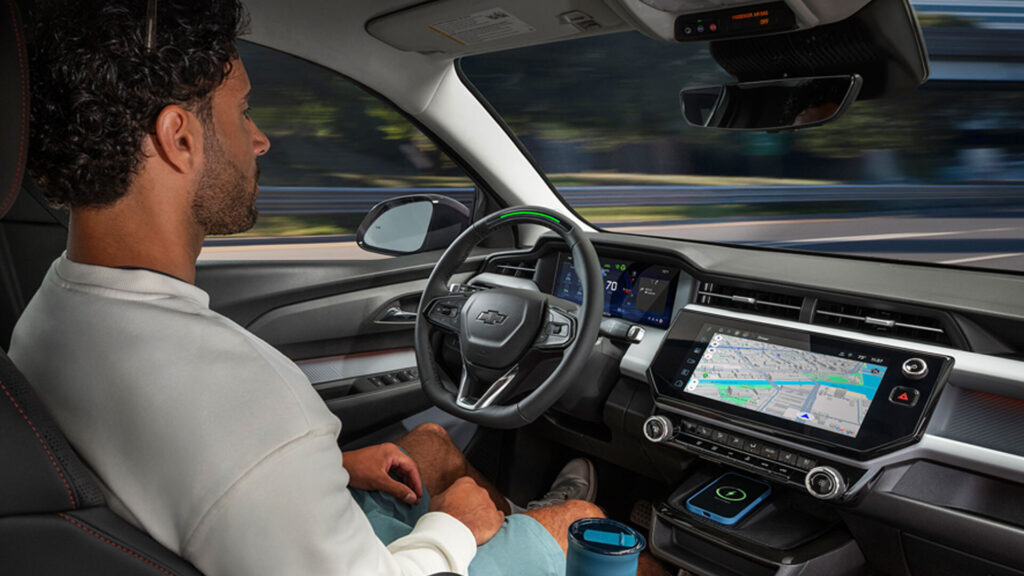


Nearly 90 percent of the code written by General Motors’ autonomy team is now generated by artificial intelligence. CEO Mary Barra dropped that number during the company’s first-quarter earnings call, framing it as proof that GM is serious about embedding AI across every layer of the enterprise.
The market barely flinched. It was too busy digesting a quarter that beat expectations by a wide margin — adjusted earnings of $3.70 per share against a consensus of $2.60 — and a raised full-year outlook. But that single statistic about AI-generated code may end up mattering more than any number on the income statement.
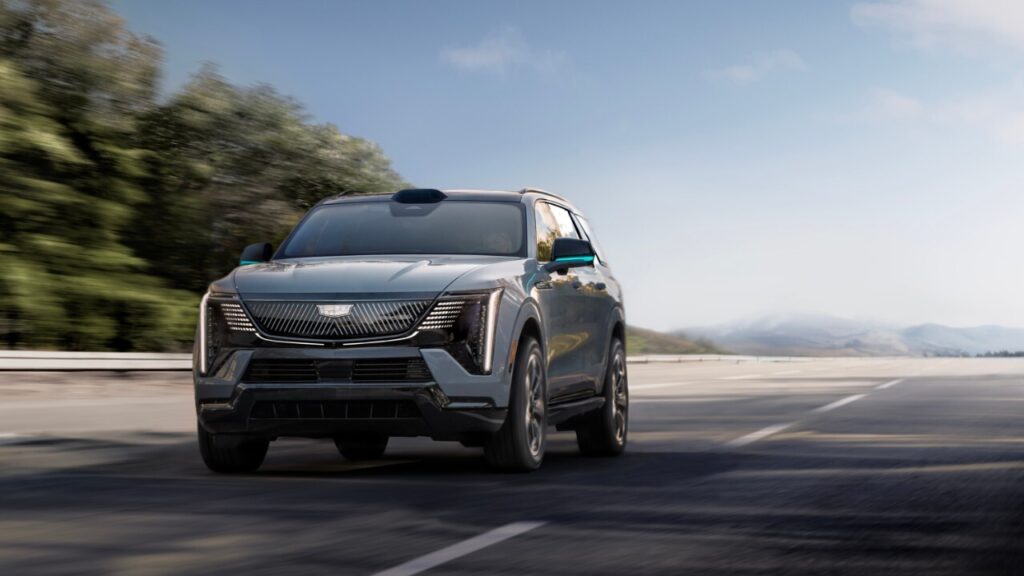
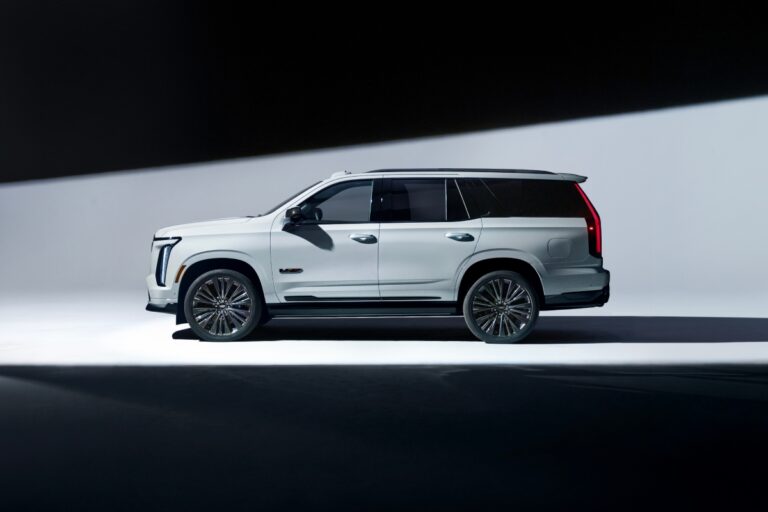
GM is preparing to launch a next-generation Super Cruise system by 2028, starting with the Cadillac Escalade IQ. The new version promises eyes-off, hands-free highway driving — a significant leap from the current system, which still requires driver attention. It will lean on lidar, radar, and cameras, and signal autonomous mode to surrounding traffic through turquoise exterior lighting.
The company added roughly 50,000 Super Cruise subscribers last quarter, putting it on pace to cross 850,000 paid users by year’s end. That still trails Tesla’s 1.28 million subscribers to its more advanced Full Self-Driving technology, but the gap is narrowing in a category that didn’t exist five years ago.
CFO Paul Jacobson pointed to approximately $7.5 billion in deferred revenue already sitting on the books from GM’s current software and services portfolio. A new computing platform, also arriving in 2028, is designed to unlock more of that value by improving over-the-air updates and in-vehicle software capabilities.
The Cruise robotaxi debacle still casts a long shadow. GM shuttered the unit in late 2024 after a pedestrian-dragging incident in San Francisco destroyed public confidence and triggered regulatory fury. The technology and talent were folded into the Super Cruise team under OnStar.
Barra is now betting that a consumer-facing driver-assist product, sold through dealerships and tied to vehicles people already own, is a more viable path than robotaxis ever were. Consumer trust remains the open question. Surveys consistently show that most Americans are uncomfortable with autonomous driving technology.
Telling those same consumers that AI wrote the software steering their two-ton SUV at highway speed is a bold communications strategy, to put it gently.
The broader business provided cover. GM’s North American margins hit 10.1 percent in the quarter, aided partly by a one-time tariff benefit. The company trimmed its expected tariff exposure to $2.5 billion to $3.5 billion, down from a prior ceiling of $4 billion.
Revenue came in essentially flat at $43.6 billion. Trucks and crossover SUVs continue to carry the load. Despite gasoline prices climbing above $4 a gallon — driven by the U.S.-Iran conflict — GM said customer shopping behavior hasn’t shifted meaningfully.
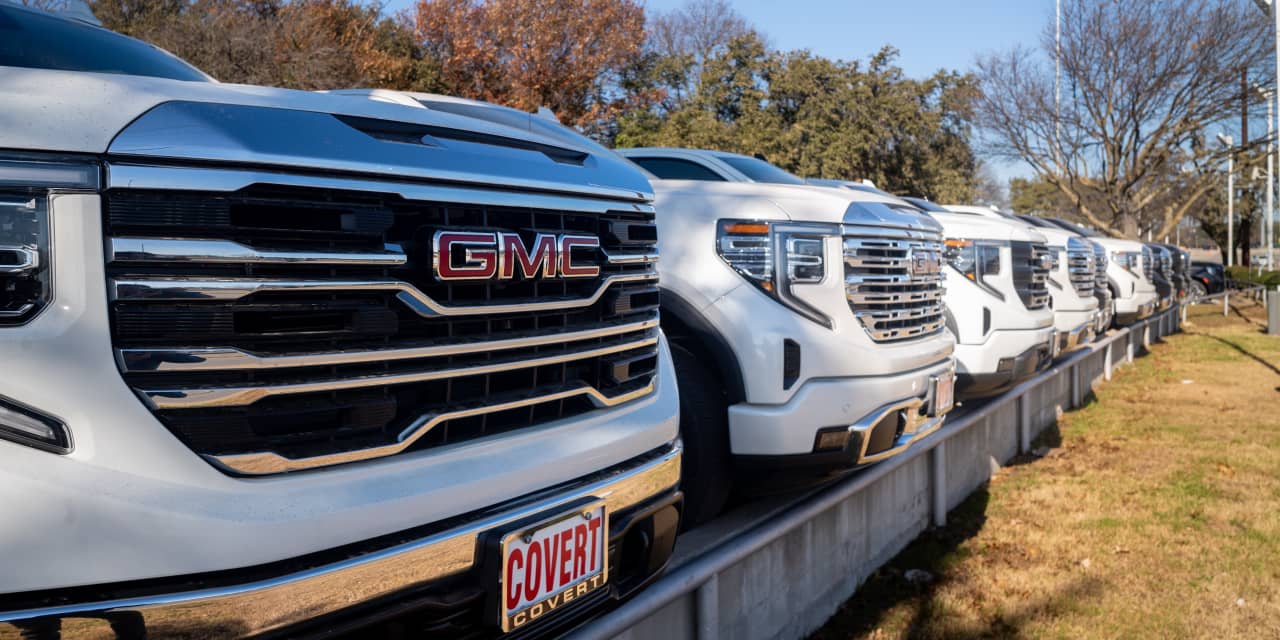
The company quietly redirected about 7,500 full-size SUVs originally destined for the Middle East back to domestic dealers, replenishing thin U.S. inventory without missing a beat.
The EV story is less cheerful. GM sold several thousand fewer electric vehicles than in the year-ago quarter and booked another $1.1 billion in special charges related to its EV pullback, on top of more than $7 billion in write-downs last year. Updated Silverado and Sierra pickups arriving later this year in conventional powertrains will do more for the bottom line than any battery-electric model in the current lineup.
Wedbush analyst Daniel Ives summed up the balancing act: GM’s leadership is navigating tariffs, a cooling EV market, and geopolitical turbulence while tapping high-margin alternative revenue streams to stabilize profitability.
The real gamble is longer-term. GM is staking its software future on AI-generated code, an unproven autonomy platform, and a consumer base that hasn’t yet decided whether it trusts any of it. The earnings beat buys time. The 2028 launch will be the verdict.

Share this Story