
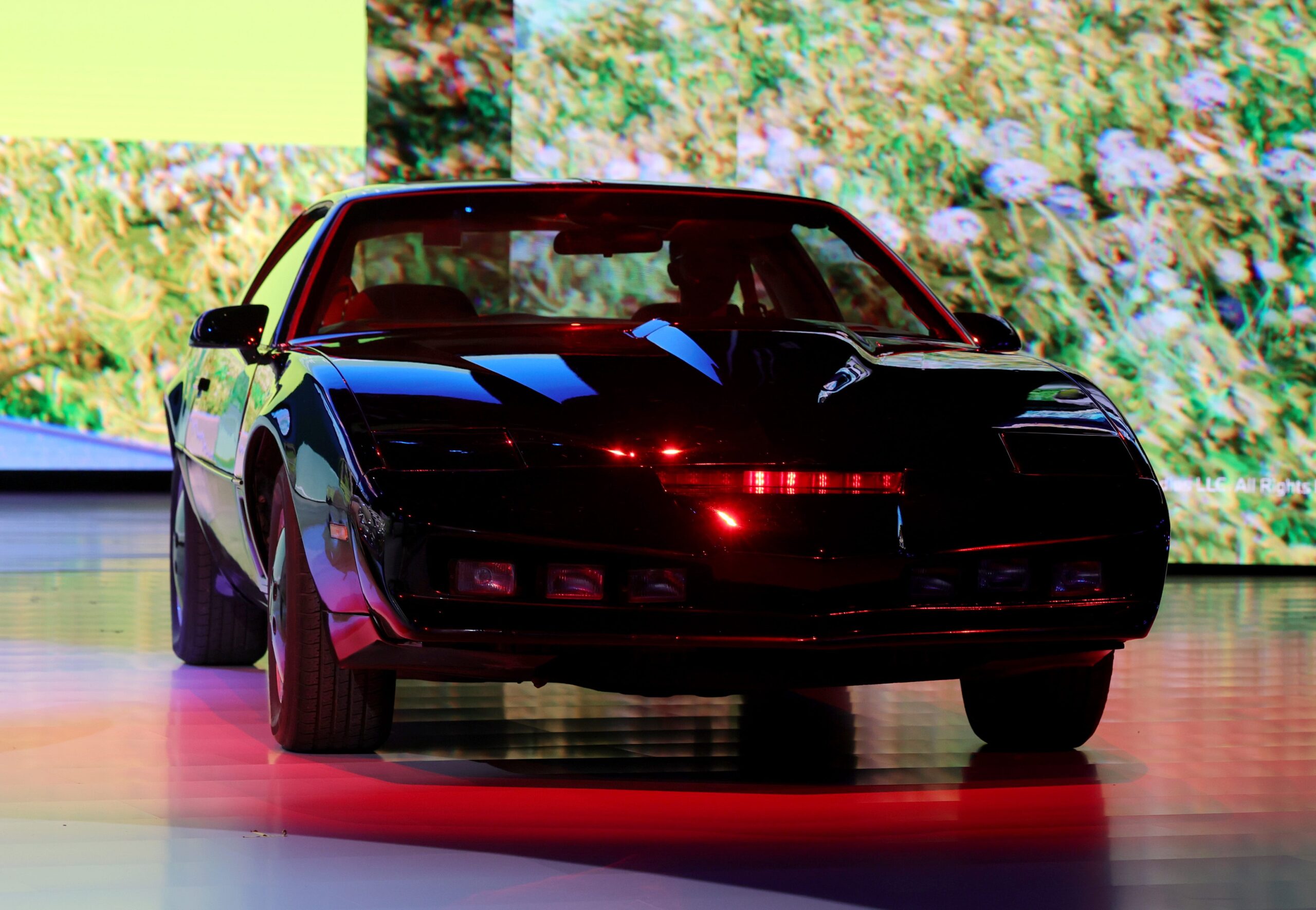


A 1982 Pontiac Trans-Am that hasn’t turned a wheel in years just got nabbed doing 11 over in a New York City school zone. The car was sitting in a museum in Illinois at the time.
KITT, the fictional star of Knight Rider, received a $50 speeding ticket from the New York City Department of Finance. The violation was mailed to the Volo Museum in Volo, Illinois, where the car has been on static display for years. No engine running, no tires turning, no David Hasselhoff behind the wheel.
The museum did what any reasonable party would do when accused of teleporting a prop car across state lines. Staff pulled security footage, time-stamped it to match the exact moment of the alleged violation, and sent it to the city. The screenshot shows KITT doing what KITT has been doing for a long time now — sitting still, collecting dust, being a tourist attraction.
New York’s speed camera system apparently matched a novelty “KNIGHT” plate on some other vehicle to the museum’s registered plate. That’s the working theory, anyway. A spokesperson for the Department of Finance offered the bureaucratic equivalent of a shrug, saying the agency is “looking into the matter.”
This is a $50 ticket. It’s also a perfect little case study in what happens when automated enforcement systems operate at massive scale with minimal human oversight.
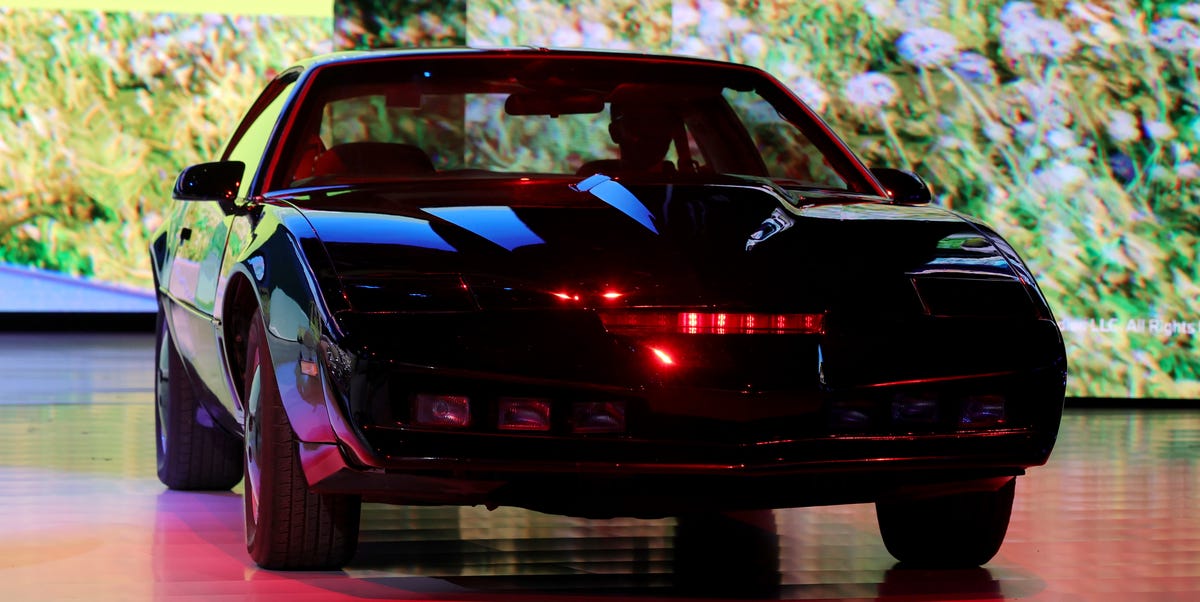
New York City runs one of the largest speed camera networks in the country — more than 2,000 cameras across all five boroughs, generating hundreds of millions of dollars in annual revenue. The system is designed to protect kids near schools, and that’s a worthy mission. But when the machinery starts issuing citations to museum pieces parked in other states, the credibility question writes itself.
Automated cameras don’t lie, but they don’t think either. They capture an image, run a plate, and mail a bill. Every step after the shutter click is algorithmic.
No officer eyeballs the photo. No one asks whether a 43-year-old TV car might plausibly be ripping through a school zone in Brooklyn. The system assumes guilt, prints an envelope, and moves on to the next frame.
The Volo Museum will almost certainly get this dismissed. They have proof. They have a good story. They’ll probably sell a few extra tickets off the publicity. But consider the motorist who doesn’t have security camera footage to prove they were somewhere else.
Consider the person who just pays the $50 because fighting it costs more in time than the fine is worth. The city counts on that math.
New York isn’t alone. Speed and red-light camera programs across the country have faced accuracy challenges, mistaken identifications, and legal battles over due process. Chicago’s program was mired in a corruption scandal. Washington, D.C., has fought repeated court challenges.
The technology works most of the time, but “most of the time” is a dangerous standard when you’re issuing millions of violations a year.
KITT, for the record, was programmed to fight injustice. The show’s premise was literally a guy and his car taking on crooked systems. The irony here is so thick you could mount it on a museum wall right next to the car.
The Department of Finance says it’s reviewing the ticket. One imagines that review will be brief. But the larger review — of how a system this big polices itself — never quite seems to happen.



Share this Story