


Unifor and General Motors reached a tentative three-year labor agreement covering roughly 4,600 hourly workers across four Canadian plants, the union announced on Aug. 22. The deal landed twelve days after negotiations began, and just hours before the trade relationship between the U.S. and Canada took another ugly turn.
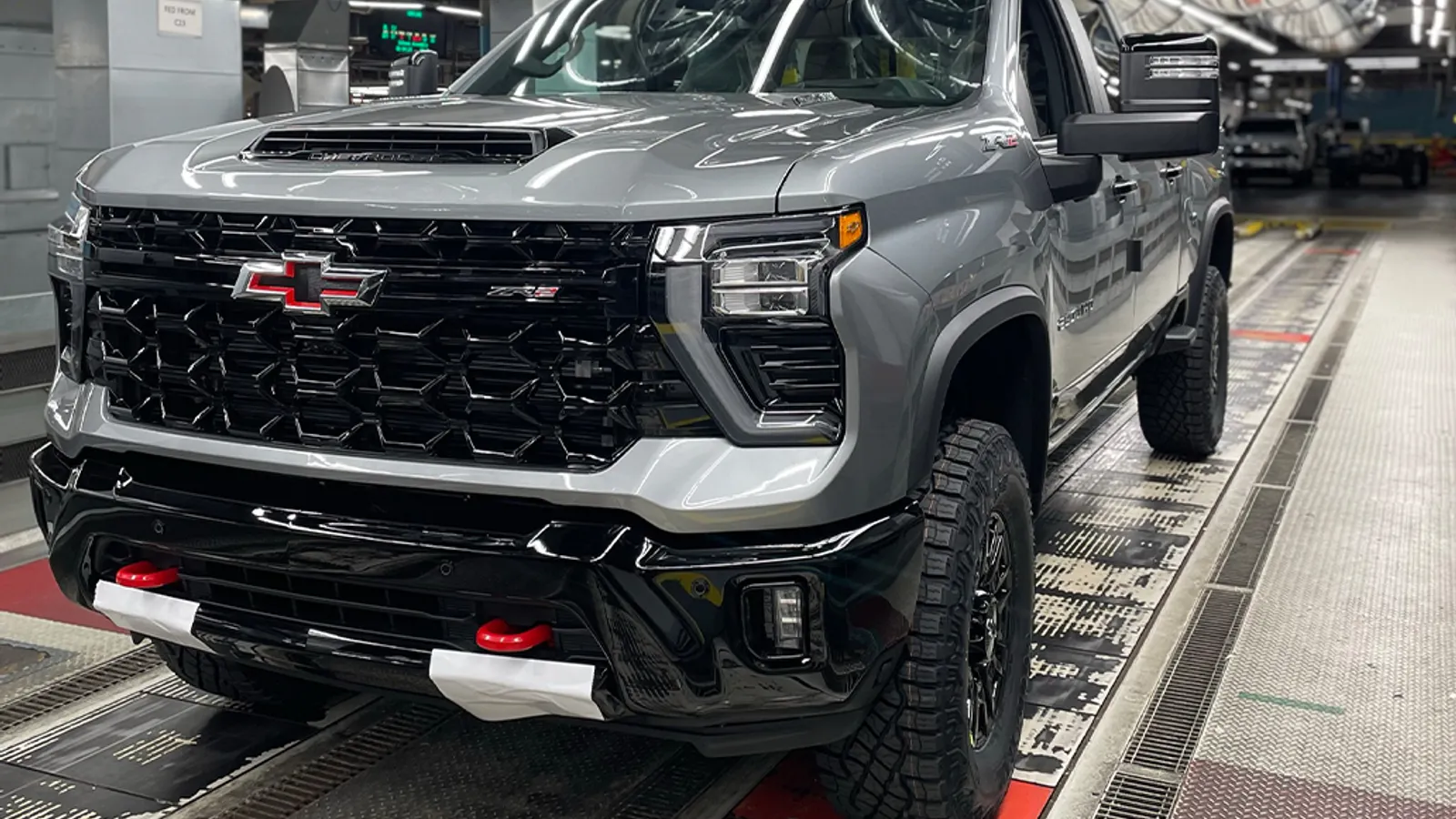
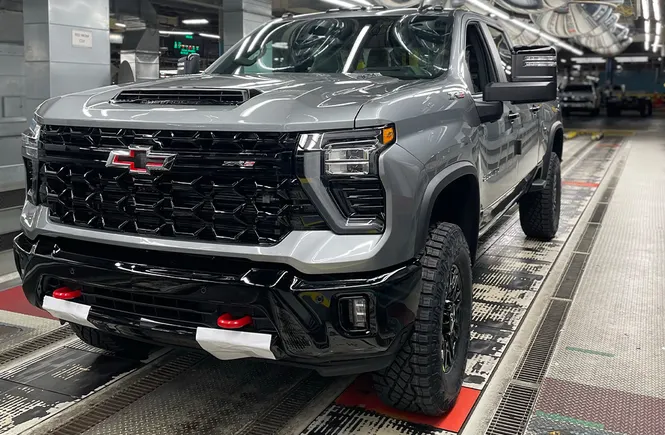
The agreement covers GM’s Oshawa Assembly, CAMI Assembly, St. Catharines Propulsion Plant, and Woodstock Parts Distribution Center. Oshawa is GM’s only North American facility building both light-duty and heavy-duty Chevrolet Silverado pickups on the same line, making it a critical node in the company’s truck production network.
Unifor says the deal follows the pattern set last month in its Ford agreement, which locked in 3% annual wage increases over three years and commitments that no Canadian plants would be closed or sold. Ford also pledged $900 million in investments across its Essex Engine Plant and Oakville assembly operations.
“We entered this round of talks in the midst of tariff uncertainty and relentless U.S. trade aggression,” said Unifor GM Master Bargaining Chairperson Trevor Longpre. Full details of the GM deal won’t reach union members until ratification meetings scheduled for Aug. 29-30.
The timing could hardly be more fraught. Days after the Ford deal was inked, the Trump administration threatened an additional 50% tariff on a broad range of Canadian products, which took effect last Saturday. Then on Monday, Trump announced a 50% tariff on cars, trucks, auto parts, and steel imports from Canada starting Jan. 1, 2027.
Canadian Prime Minister Mark Carney responded the same day the GM deal was announced, promising to “match those tariffs dollar for dollar” with retaliatory duties taking effect Sept. 8.
This is the landscape Unifor now walks into as it opens talks with Stellantis, whose current three-year agreement expires Sept. 20. That negotiation carries a different weight entirely.
Stellantis informed Unifor on Aug. 14 that it intends to open discussions with another firm about the potential sale of its Brampton Assembly Plant in Ontario. Roughly 2,200 Unifor members have been on layoff since the plant was idled in December 2023 for a retooling that was supposed to bring Jeep Compass EV production to the facility. That plan evaporated in October 2025 when Stellantis redirected the Compass to the U.S. as part of a $13 billion domestic manufacturing investment, idling Brampton indefinitely.
Under its collective agreement, Stellantis must provide at least one year’s notice before any plant closure or sale. That clause is now the union’s primary leverage point heading into September talks.
Three years ago, when these contracts were last negotiated, the Detroit Three were making investment promises in Canada with relative confidence. Today, every dollar committed north of the border carries a question mark shaped like a tariff schedule.
Unifor National President Lana Payne called these “some of the most challenging times in our history.” The Ford and GM deals suggest the union can still extract real money and real commitments. But both agreements were struck before the latest tariff escalation, and whatever Stellantis brings to the table will reflect a company that has already pulled its biggest Canadian production commitment back across the border.
The 50% auto tariff set for January 2027 would land squarely in the middle of these freshly signed three-year contracts. Workers ratifying the GM deal this week will be voting on terms negotiated for a trade environment that may not exist by the time the ink is dry.




Share this Story