


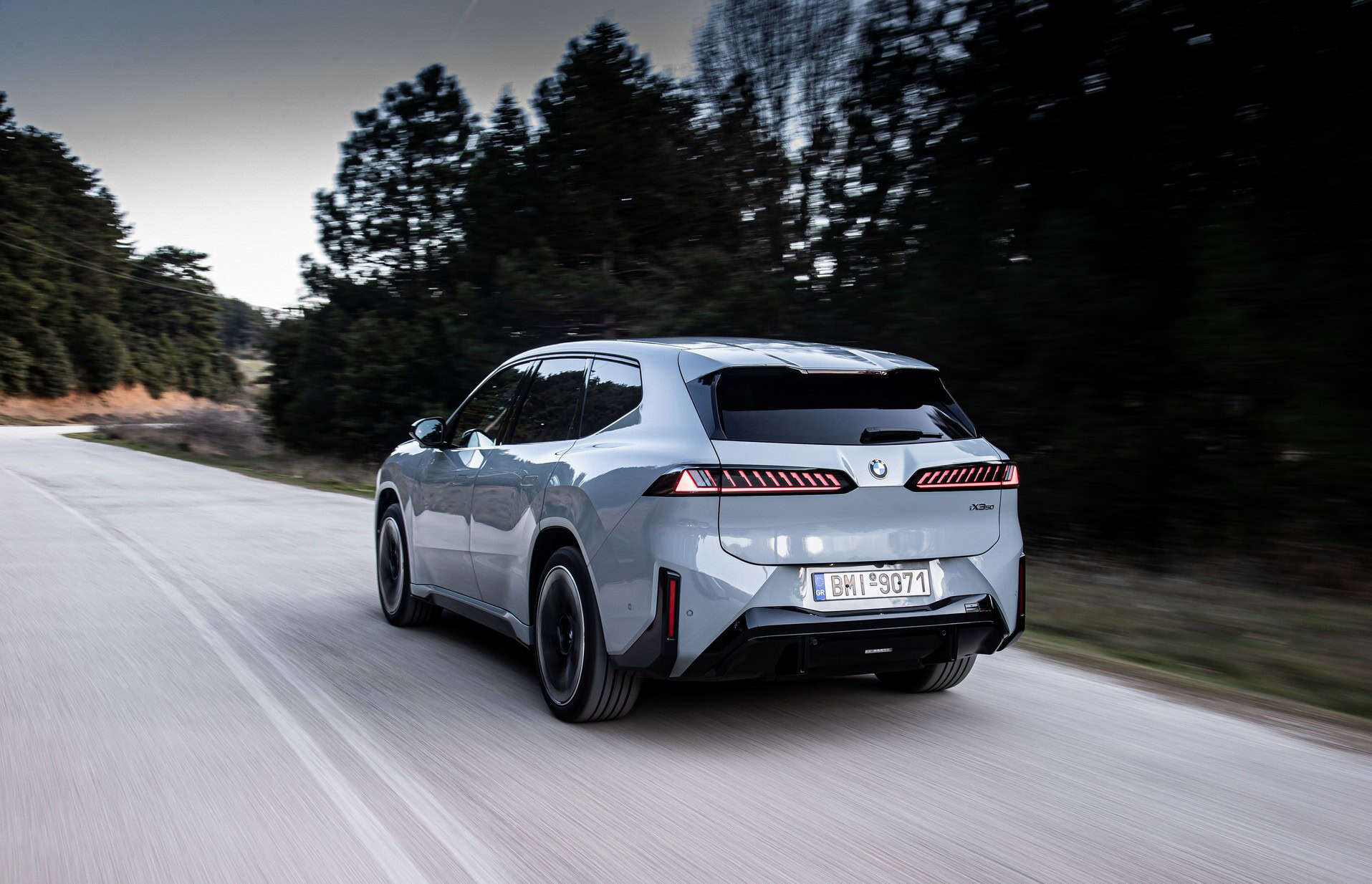
The ink on last year’s US-EU trade framework barely had time to dry. President Donald Trump announced Friday he will raise tariffs on European-built cars and trucks to 25% next week, blowing past the 15% ceiling his own negotiators hammered out with Brussels in July 2025.
The reason, per a Truth Social post: the EU is “not complying with our fully agreed to Trade Deal.” No specifics. No details on which tariff authority he plans to invoke. Just a threat and a reminder that automakers can dodge the hit by building cars on American soil.
That’s a tidy soundbite. The reality is messier.
Volkswagen told Business Insider it would review the announcement once actual details materialize. BMW, Mercedes-Benz, and Stellantis didn’t respond at all. The silence from the German luxury brands is telling — they have the most to lose and the least flexibility to move production overnight.
Audi, a Volkswagen subsidiary, faces particularly acute exposure. The brand imports heavily from European plants and has limited US manufacturing footprint to absorb a tariff shock of this size. A jump from 15% to 25% doesn’t just squeeze margins — it forces pricing decisions that ripple through dealer lots and lease rates within weeks.
Jennifer Safavian, who leads the Autos Drive America trade group, called the move a threat to recent progress. “We urge the administration and the EU to uphold the agreement made last year and work together to find a swift resolution,” she said. Diplomatic language for what amounts to an industry panic.
This isn’t the first time automakers have been caught in Trump’s tariff crossfire. The Section 232 national security tariffs on vehicles and parts remain in effect. The separate IEEPA duties from the “Liberation Day” tariff blitz were struck down by the Supreme Court, but not before the industry hemorrhaged billions.
GM expects a $500 million refund. Ford booked a $1.3 billion one-time benefit after the ruling. That money was real, and so was the disruption.
Trump pointed to new automotive plants “currently under construction” and staffed by American workers as proof his trade strategy works. There is investment happening. Volkswagen is retooling its Tennessee factory from the slow-selling electric ID.4 to the Atlas SUV.
GM just confirmed $340 million for two US propulsion plants building gas trucks, SUVs, and the Corvette. But GM also said it won’t add a single job from that spend.
That’s the tension running underneath all of this. Automakers are indeed investing in US facilities, but they’re doing it on their own timelines, driven by consumer demand and production economics — not because a tariff gun is pointed at their heads. Retooling a factory takes years. You don’t build a Mercedes plant in Alabama because a Truth Social post went up on a Friday afternoon.
The 15% rate was already painful. At 25%, European automakers face a stark choice: eat the margin, raise sticker prices, or accelerate production shifts that were never designed to happen this fast. Most will do all three in varying degrees, and American consumers will foot a share of the bill at the dealership.
The EU hasn’t formally responded yet. When it does, expect retaliation talk — European tariffs on American bourbon, agricultural products, or tech have been the go-to counterpunch in every prior trade skirmish. The pattern is depressingly familiar.
What automakers wanted was stability. What they got was another Friday grenade.

Share this Story