
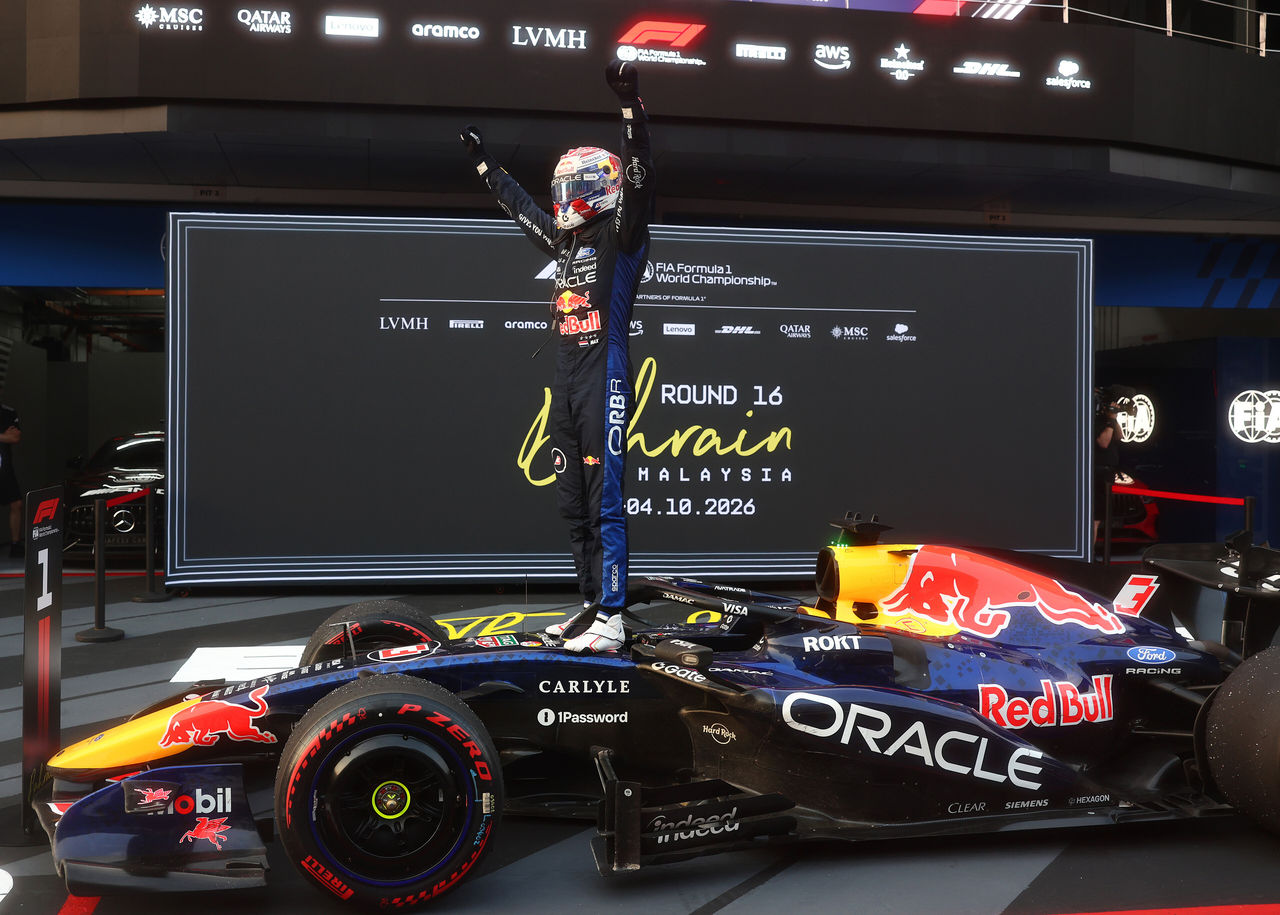


Ford announced it will rejoin the FIA World Rally Championship in 2028 as a full factory team under the Ford Racing banner. It marks a formal return to a discipline where the company built much of its competition legend over five decades.
This is not a nostalgia play. Ford is framing the WRC comeback as a direct pipeline to its next generation of road cars, with rally-developed technology feeding into production vehicles. Jim Baumbick, who oversees Ford’s product development strategy, made that connection explicit, tying lessons learned on gravel stages to the engineering of future passenger cars.
The company is calling them “rally-bred road cars,” a phrase it clearly wants consumers to associate with whatever crossovers and performance vehicles roll out of its studios in the coming years. It is a deliberate branding exercise wrapped in a motorsports announcement.
Ford’s rally heritage is deep and legitimate. The Escort, the Sierra Cosworth, the Focus WRC, the Fiesta. Malcolm Wilson, the veteran rally figure who ran Ford’s M-Sport operation for years, helped the company catalog nine cars that define its rally history.
That history is real. The question is whether the 2028 return can live up to it.
The WRC itself is a series in transition. It moved to hybrid regulations in 2022 and has been searching for manufacturer commitment ever since Citroën pulled out and other factory efforts have waxed and waned. Toyota Gazoo Racing has dominated, Hyundai has pushed hard, and Ford’s return adds a third serious factory presence the championship desperately needs.
Running as a factory team under Ford Racing rather than through M-Sport as a semi-works effort represents an escalation. For years, Ford’s WRC involvement was structured at arm’s length, with M-Sport building and running the cars while Ford provided engines and branding. A full factory commitment means deeper pockets, more direct engineering control, and presumably a tighter link between the competition program and Dearborn’s product planners.
That product connection is where Ford is placing all its chips. Toyota has extracted enormous marketing value from its WRC and endurance racing programs, branding the GR Yaris and GR Corolla as products of Gazoo Racing’s motorsport DNA. Those cars sell, and they generate loyalty in a segment where Ford has largely gone quiet since discontinuing the Focus and Fiesta in key markets.
Ford needs something to anchor its performance identity beyond the Mustang. The Bronco has off-road credibility and the Raptor line prints money, but neither connects to the kind of tarmac-and-gravel, driver-focused engineering that rally demands. If Ford is serious about injecting rally capability into its next generation of vehicles, it will need products worthy of the badge.
Two years is not a long runway. Building a factory WRC team from scratch, or scaling up from M-Sport’s existing infrastructure, requires engineering talent, testing programs, and a car that can challenge Toyota’s GR Yaris Rally1. The 2028 WRC regulations are still taking shape, which gives Ford some room to design around whatever rules emerge.
The announcement lands at a moment when Ford is also expanding its motorsport footprint through its partnership with Red Bull Powertrains in Formula 1. Rally and F1 simultaneously is an expensive proposition. Whether both programs survive budget pressures in a company still navigating its EV transition remains an open question.
Share this Story