
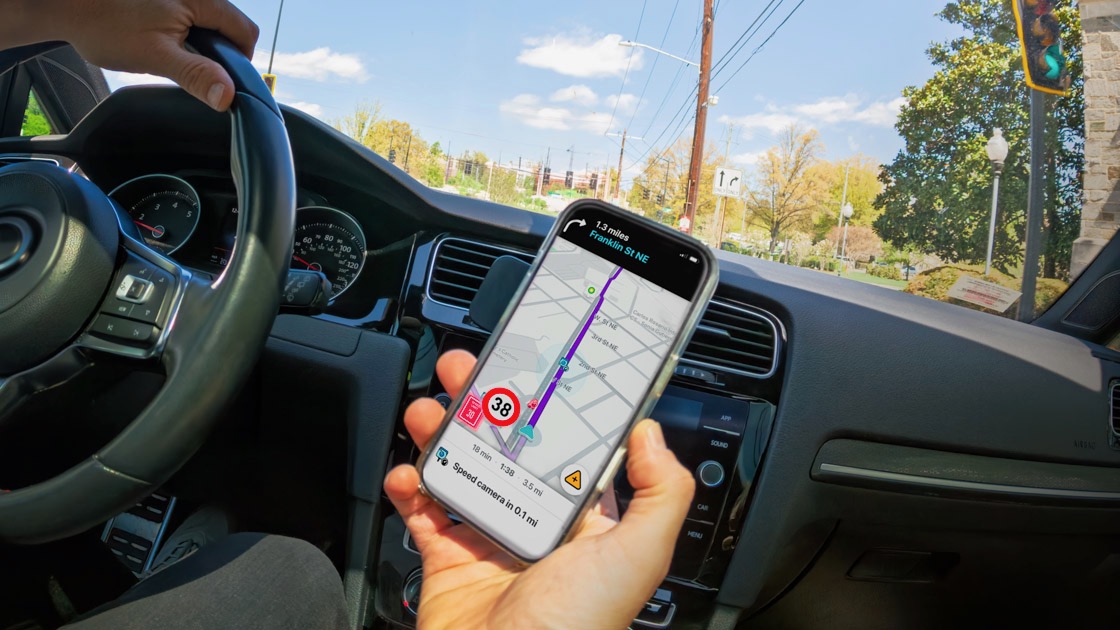


For years, the safety establishment assumed drivers reached for their phones mostly while crawling through traffic or idling at red lights. That assumption is dead. A new Insurance Institute for Highway Safety study, built on nearly 600,000 real-world trips, flips the conventional wisdom: the faster people drive, the more they fiddle with their phones.
The data comes from an uncomfortable source — the very insurance-company apps that are supposed to reward safe driving with lower premiums. Using smartphone GPS, gyroscopes, and screen-unlock data from Cambridge Mobile Telematics, IIHS researchers tracked trips taken between July and October 2024 across 46 states. They filtered for free-flowing traffic only, tossing out anything below 5 mph under the posted limit, and required each trip to last at least 18 minutes with a minimum of two minutes on an interstate.
The findings are blunt. On limited-access highways, phone handling jumped 12 percent for every 5 mph a driver exceeded the speed limit. On other roads — arterials, connectors, two-lanes with intersections — the increase was a more modest 3 percent per 5 mph over.
Higher speed limits made it worse. On freeways posted at 70 mph, phone manipulation climbed 9 percent more steeply per 5-mph increment of speeding than on 55-mph freeways. The same pattern held on surface streets: roads posted at 55 saw a 7 percent steeper climb in phone use than those posted at 25 or 30.
The why is educated speculation, but it rings true. IIHS senior research scientist Ian Reagan points to a cocktail of factors: risk-tolerant personalities who don’t discriminate between one dangerous behavior and another, stress from rush hours and school drop-offs that fuels both speeding and compulsive phone-checking, and the false sense of security that comes with open highway.
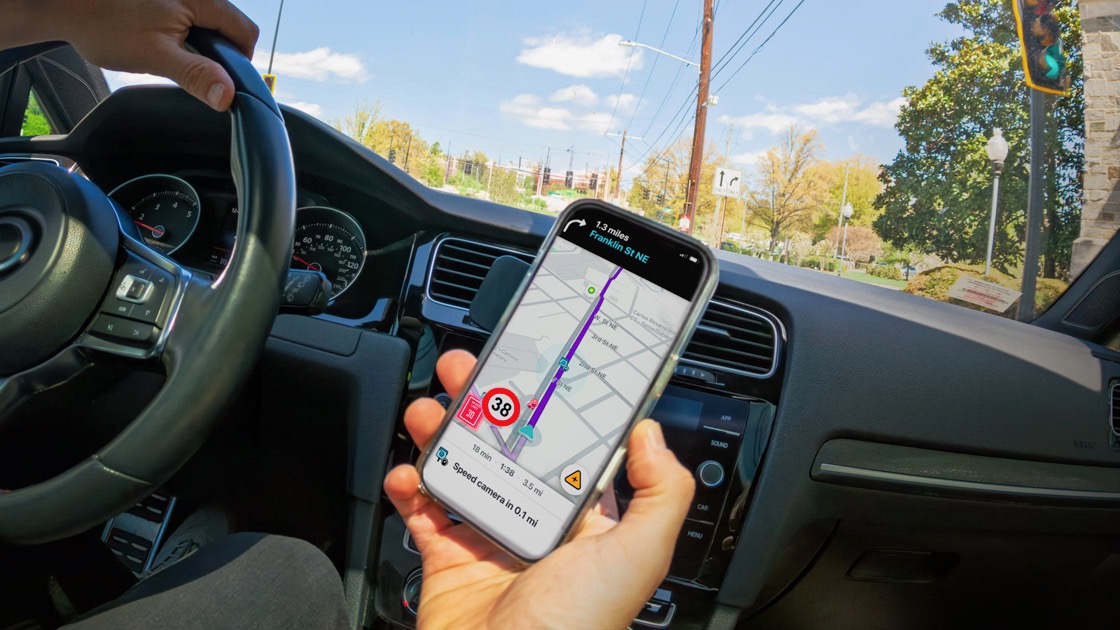
That last one stings. Drivers appear to treat simpler road environments as permission slips. Fewer demands on their attention don’t make them more attentive — they make them more distracted.
Previous research suffered from tiny sample sizes and volunteer bias. It also typically lumped together time spent moving with time spent sitting at intersections, muddying the picture. The insurance-app dataset strips that noise away, giving researchers the most granular look yet at how phone use and speed interact in real driving conditions.
The enforcement implications are thorny. Cops typically catch phone offenders at intersections — officers on foot, unmarked vans, elevated buses peering into cabins. None of that works at 80 mph on I-95. The IIHS makes the case for safety cameras that can flag both speeding and phone use simultaneously, a technology that remains politically radioactive in much of the country.
There is a deeper irony buried in this study. The data came from drivers who voluntarily enrolled in safe-driving apps, people who presumably wanted to demonstrate good behavior to earn premium discounts. They still sped. They still picked up their phones.
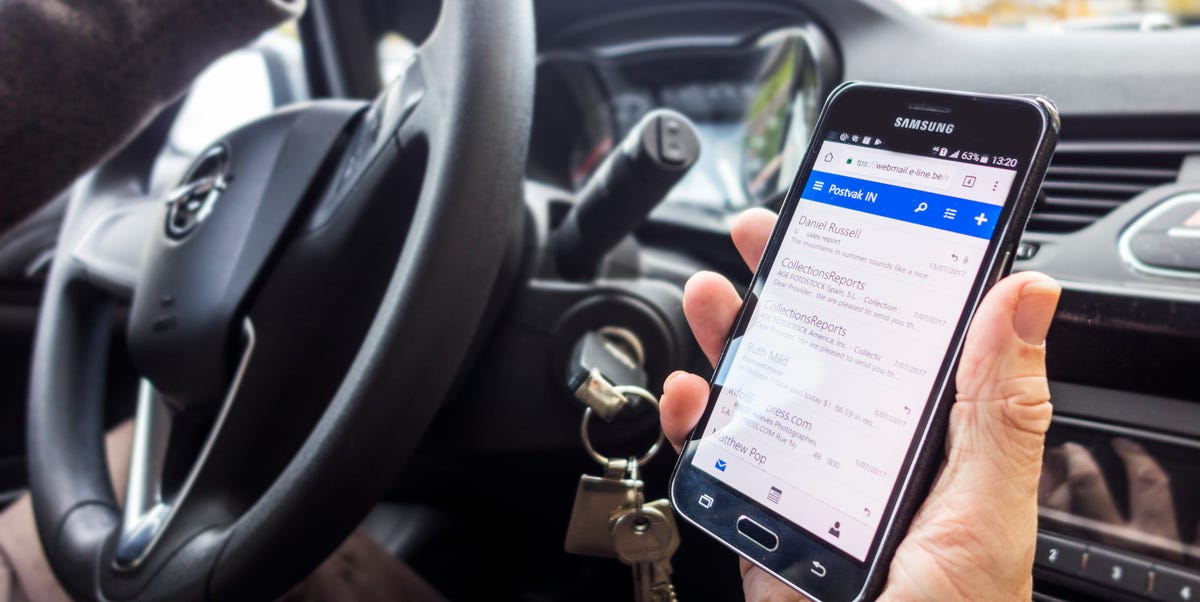
And they did both more aggressively as the speedometer climbed. If financial incentives can’t change the behavior of people who opted into surveillance, the problem is more deeply wired than any discount can fix.
Distracted driving killed more than 3,200 people in 2024, roughly 8 percent of all U.S. fatal crashes. Those numbers have stubbornly refused to drop even as hands-free systems like Apple CarPlay and Android Auto have become standard equipment. Having the technology in the dash doesn’t mean drivers use it. The phone in the cupholder is still winning.
IIHS president David Harkey frames the findings as an opportunity — pair anti-speeding campaigns with distracted-driving enforcement and hit two problems with one effort. He is not wrong. But opportunity and execution are different animals, and American road safety policy has a long history of choosing the easier fight.
Speeding cameras provoke outrage. Phone-detection cameras don’t even exist in most jurisdictions. The data is clear, but the will to act on it is another matter entirely.
Share this Story