
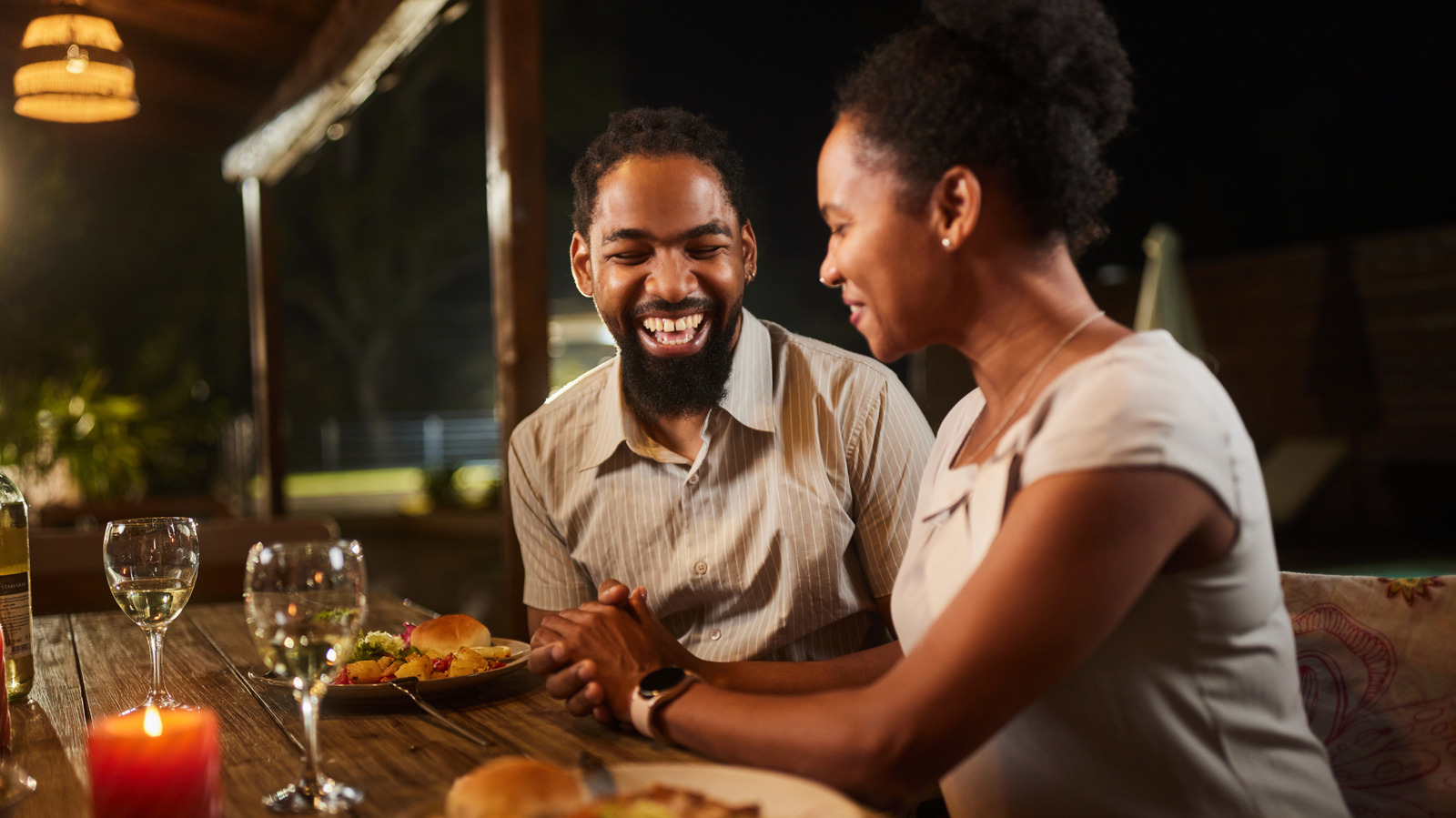


A dating app called BLK is giving away $500 gas gift cards to attract new users. Ten winners, announced yesterday, will receive the cards after jumping through the requisite social media hoops. On its face, a fairly standard corporate promotion. Underneath, it is something else entirely.
BLK is not a household name. It is a niche dating platform fighting for attention in a market where the major apps have spent years alienating their own user bases — throttling free tiers, jacking up subscription prices, and watching engagement crater as a result. The playbook used to be free dinners, free drinks, date-night experiences. Now it is gasoline.
The national average sits at $4.43 a gallon. That number has climbed steadily since February, when tariff-driven disruptions began rippling through energy markets. A supposed peace deal with Iran has offered some psychological relief but little at the pump. For most Americans, filling a tank has become a weekly gut punch, and the trajectory does not suggest that changes soon.
BLK is not alone in reading the room. As Wired reported, the new Boots Riley film ran its own gas giveaway as a promotional tool. Polymarket opened a pop-up “grocery store” handing out free food, laundry detergent, and toilet paper.
These are not luxury items being dangled as aspirational bait. They are staples. The corporate marketing machine has shifted from selling dreams to subsidizing survival, and nobody in a boardroom makes that pivot unless the data screams at them to do it.
Darren Martin Jr., a marketing consultant, told Wired the strategy reflects “the material realities shaping society.” He called the current moment “dystopian,” a word that used to feel hyperbolic in a press quote and now just lands flat, like a fact.
The gas card giveaway tells you two things at once. First, BLK’s internal data clearly shows its target audience views expensive gas not as a blip but as a durable problem. You do not build a promotion around a commodity you expect to get cheap again next month.
The logistics alone — running the contest, selecting winners, mailing cards — bake in an assumption that pain at the pump will persist. Second, the traditional dating app value proposition has eroded so badly that a platform cannot simply offer a better dating experience as its hook. It has to offer relief from an unrelated financial burden just to get someone to download the thing.
That second point is the quieter indictment. The dating app industry torched its own credibility by treating users as extractable resources, burying functionality behind paywalls and designing interfaces that maximize engagement over actual human connection. Now, with loneliness rates climbing and consumer sentiment cratering, the pitch is not “we will help you find love.” The pitch is “we will help you afford to drive.”
Consumer sentiment has been in freefall for months, and corporations are responding the only way they know how — with promotions. But the nature of those promotions has changed. When a movie studio and a prediction market and a dating app all independently arrive at the same conclusion — that what Americans need most right now is help affording gas and groceries — that is not a marketing trend. That is a diagnostic.
BLK will get its downloads. Some people will get their gas cards. And the rest of us will note the moment when courting a potential date and courting a gallon of regular unleaded became, in the eyes of corporate America, the same transaction.



Share this Story