
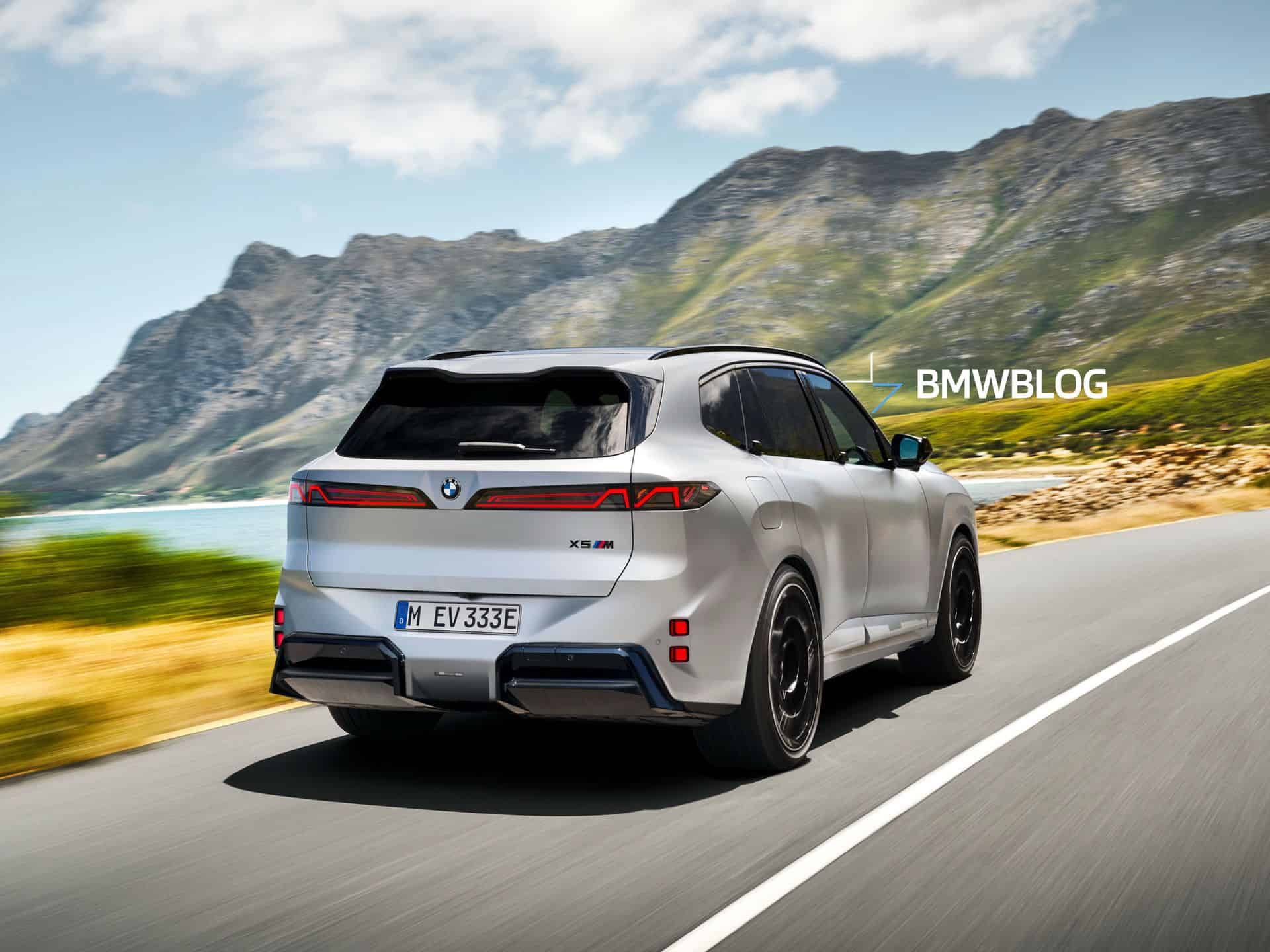


The next BMW X5 M will arrive as a fully electric SUV months before its V8 sibling hits the same assembly line. That sequencing tells you everything about where BMW M’s priorities sit heading into the end of the decade.
According to sources familiar with BMW’s production timeline, the electric X5 M is scheduled to begin rolling off the line at Plant Spartanburg in South Carolina in April 2028. The gasoline-powered version, keeping the S68 4.4-liter twin-turbo V8 as a mild hybrid, follows later that same year. Both carry the G95 chassis code and share the same factory.
This is the same playbook BMW M is running with the M3. The electric M3, codenamed ZA0, starts production in Munich in 2027. The gas-powered G84 M3 follows from Dingolfing in mid-2028, creating a gap of more than a year between the two.
The difference in timing between the two M3s and the two X5 Ms comes down to hardware. The electric M3 rides on BMW’s Neue Klasse platform while the combustion M3 stays on CLAR. Different architectures, different plants, different cars. The X5 M variants share a code and a factory, so the stagger looks more like a production scheduling call than a philosophical one.
But the power figures suggest something more deliberate. Sources peg the electric X5 M at up to 900 hp, which would make it the most powerful BMW SUV ever built, eclipsing the XM Label Red’s 748 hp by a wide margin. The V8 version sits at roughly 616 hp, essentially unchanged from the current F95 X5 M Competition.
That’s a 284 hp gap between the electric and combustion versions of the same car. The expectation is a four-motor layout with one motor per wheel, letting software replace mechanical differentials. If the electric X5 M uses the 147.8 kWh battery pack rumored for the standard electric X5, it would carry the largest pack BMW has ever installed.
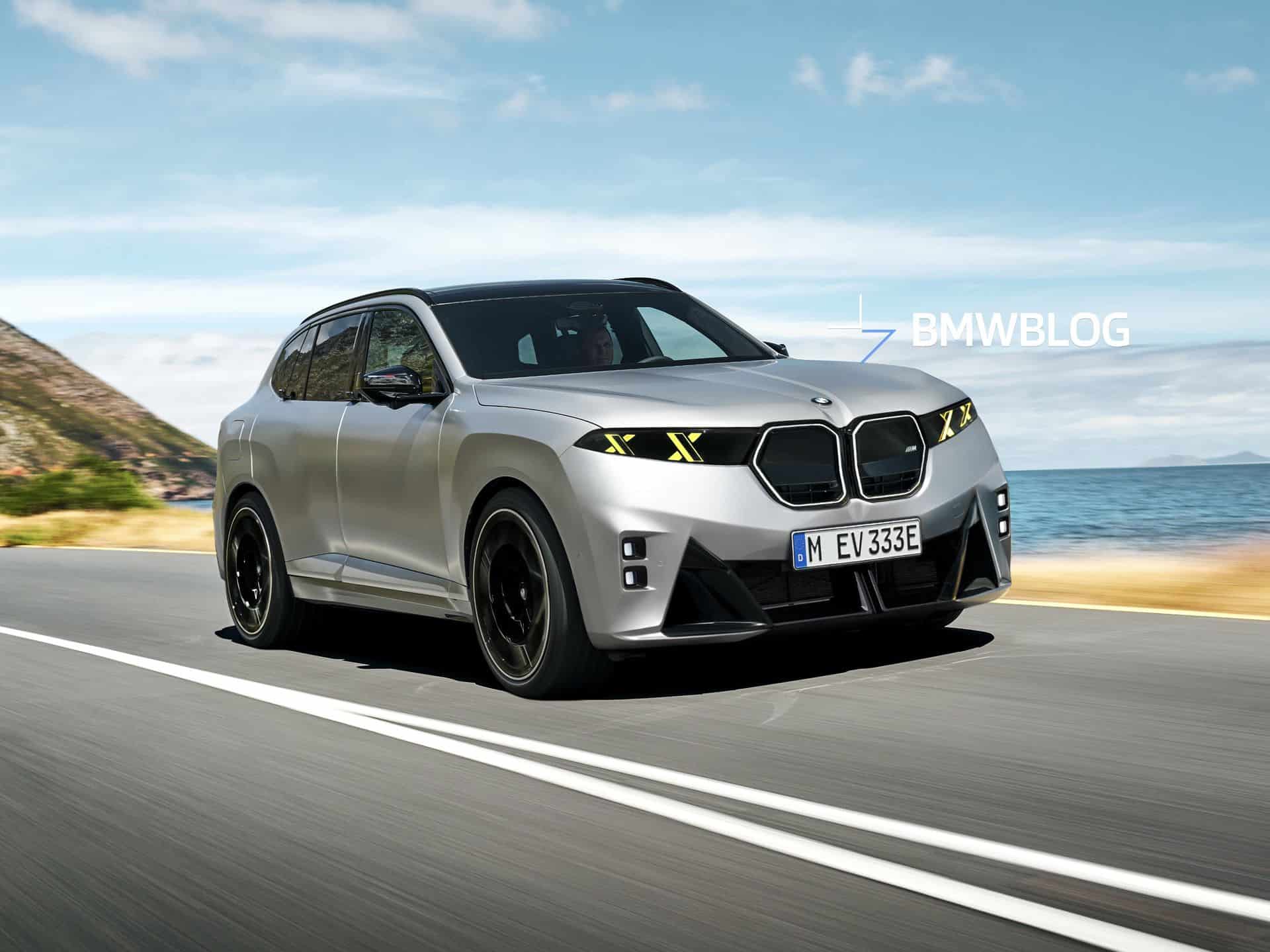
The V8 isn’t going away quietly. BMW has already confirmed a V8 M Performance model, likely called X5 M60, arriving in 2027 for the new X5. The engine itself pairs with a 48-volt mild-hybrid system and an electric motor in the transmission that contributes about 12 hp and 148 lb-ft of supplemental torque, mostly useful for filling the gap before the turbos spool.
The electric X5 M sits atop a ladder BMW is building methodically. The iX5 60 xDrive starts at about 570 hp. The iX5 M70 xDrive, an M Performance model due in September 2027, targets at least 650 hp. Then the full M arrives with up to 900.
Prototypes have been spotted testing in Germany wearing a taller, closed 3D kidney grille surround, oversized intakes, a secondary roof spoiler, and blue brake calipers over perforated discs. A market launch is expected in summer 2028.
The next-generation X6 M, coded G96, is expected to follow the same electric-and-gas split, though full M versions probably won’t surface before 2029.
What BMW M is building at Spartanburg amounts to a first: a single M car offered simultaneously with a V8 and a fully electric drivetrain under one chassis code. The electric version arrives first, makes far more power, and carries the bigger battery. The V8 follows, carrying roughly the same output it has today. Nobody at BMW is calling the S68 a placeholder, but the production calendar and the spec sheet are making the argument on their own.
Share this Story