
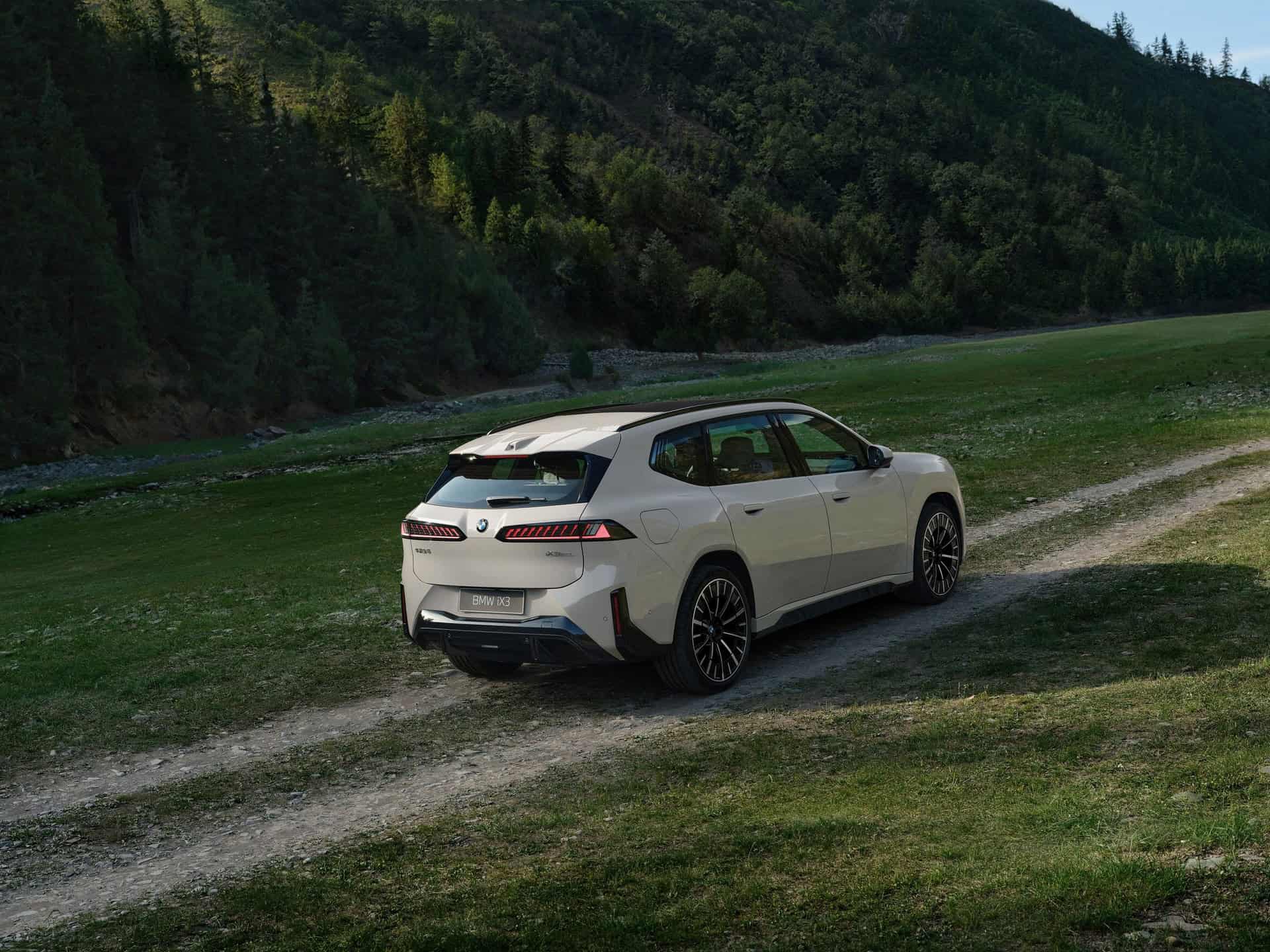


BMW’s entry-level iX3 in China already runs on lithium-iron-phosphate cells. On the Q3 2026 earnings call, CEO Milan Nedeljković made it official policy: LFP is coming to more Neue Klasse cars.
Just not everywhere. And not, by his account, because it is better.
“With Neue Klasse, we are starting with the NMC technology and the cylindric batteries, and this technology is now superior in the market,” Nedeljković said when asked about battery strategy.
He then conceded the point Munich’s accountants have presumably been making for some time. “The LFP technology offers a different cost structure, but also different range,” he said. “So we will add the LFP technology in our vehicles, but we will be very specific in which vehicle and for which purpose.”
That is a carefully fenced sentence. It promises LFP while keeping it away from the brand’s image.
The fence is already built in China. The iX3 30L, sold only there, carries a 77-kWh LFP pack rated at 630 kilometers, or 391 miles, on the CLTC cycle. It starts at RMB 269,900, roughly $40,000 or €34,300.
Step up to the 40L or 50L and the chemistry flips back to nickel-manganese-cobalt. The bottom of the range gets the cheaper cells. The rest of the ladder keeps the premium ones.
The economics are not subtle. LFP drops nickel, manganese and cobalt from the cathode entirely, and production costs typically run about 20 percent below comparable NMC packs.
The chemistry has real engineering merit, too. LFP cells generally last longer, resist thermal runaway better and degrade more slowly over repeated charging.
The penalty is density. LFP needs more space and more mass to store the same energy, and it can charge more slowly in cold weather. For a heavy luxury SUV chasing a headline range figure, that is a hard sell.
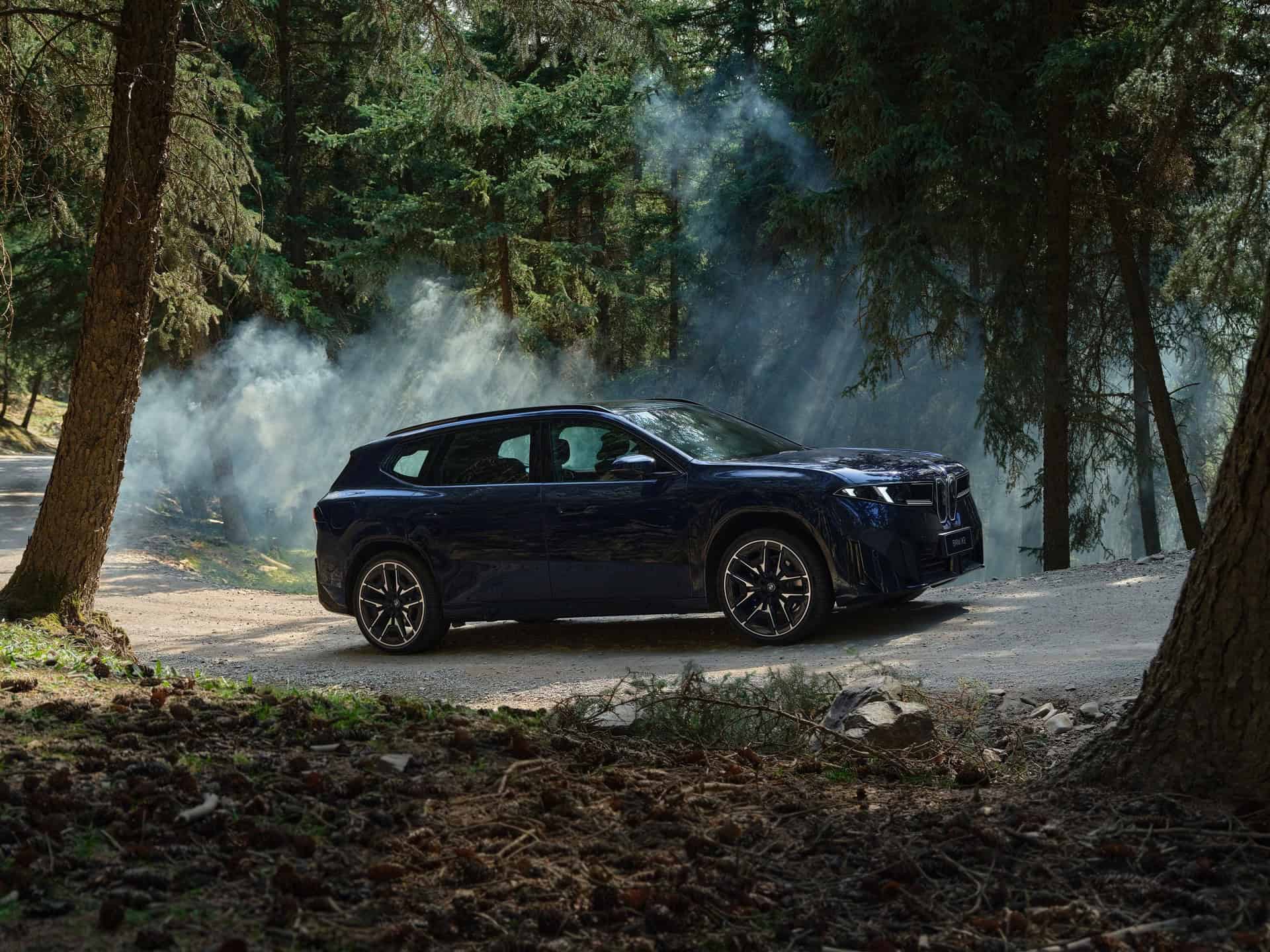
So BMW is splitting the difference on its own terms. Nedeljković pointed to the range numbers from the new iX3 and i3, saying they are “deeply impressing also in China.” That is the market where buyers have spent years watching domestic brands sell LFP-equipped EVs on price.
Read the order of his remarks again. NMC first, superiority claimed, China cited as proof. Only then does cost enter the conversation, with range limits attached in the same breath.
It is the language of a premium maker that knows where the volume pressure sits and would rather not say so out loud.
“It will not be a generic exchange or a generic offer in all segments,” he added. Put plainly, LFP is a tool for specific price points, not a new default.
What Nedeljković did not say is just as telling. He named no future LFP models and gave no timeline.
He also offered nothing on when, or if, the chemistry reaches buyers outside China.
That leaves Europe and North America with a question BMW has not answered. A roughly $40,000 entry iX3 exists. It simply is not for sale to them.
The cylindrical NMC cells remain the Neue Klasse’s opening statement, and Munich clearly intends to keep the flagship trims on that chemistry.
The 30L is the first crack in that statement, and BMW has now said publicly that it will not be the last. Which badges come next, and in which markets, is the part the company is still keeping to itself.
Share this Story