
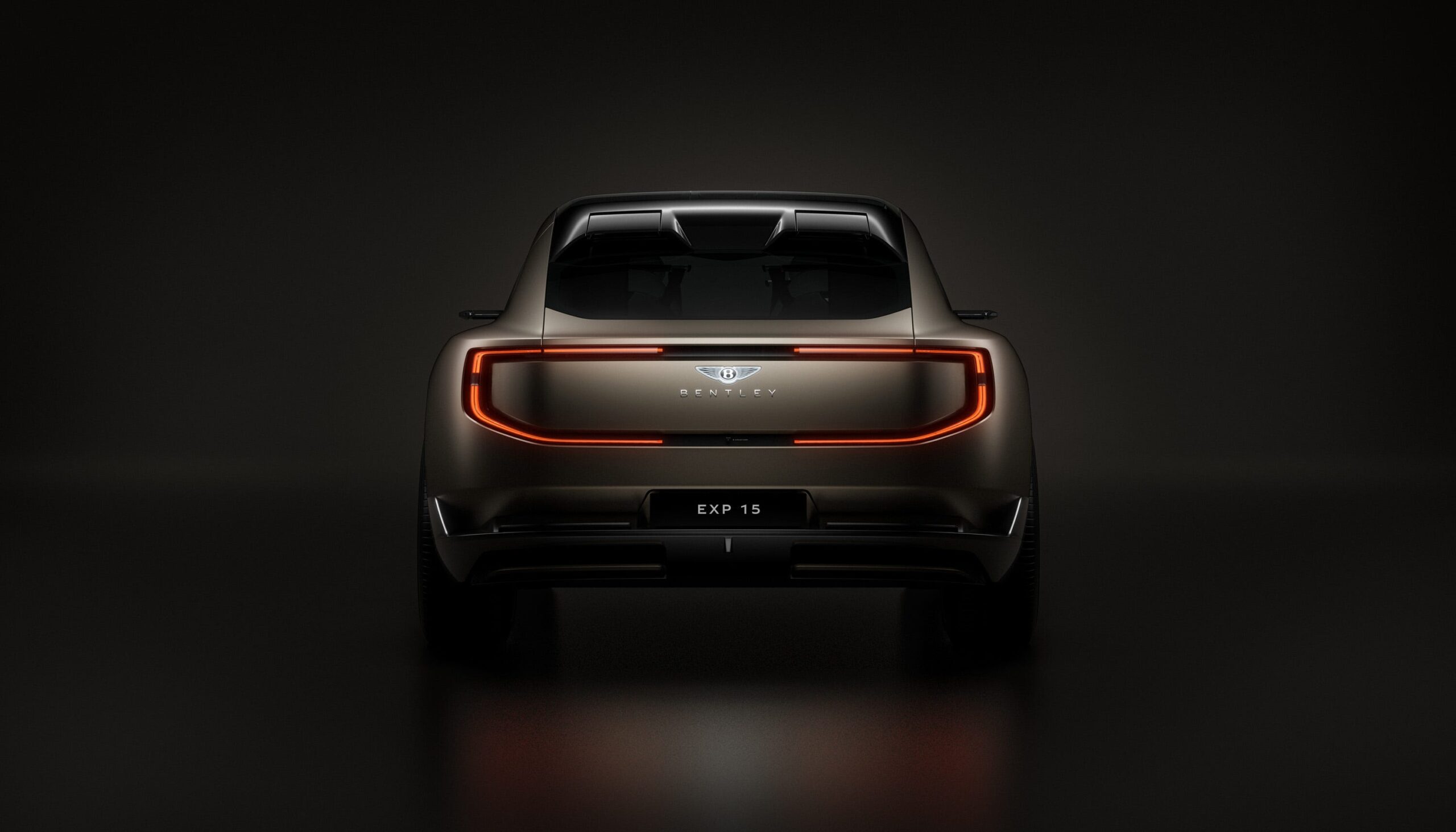


Bentley has trademarked “Barnato” in the United States, the European Union, and the United Kingdom. Every indication points to it becoming the name of the brand’s first-ever electric vehicle, an SUV due for reveal before year’s end and sale in early 2027.
The name honors Woolf Barnato, the diamond-fortune heir who bought a controlling stake in Bentley in 1925, became chairman, and then drove his own cars to three consecutive Le Mans victories from 1928 to 1930. He once raced a Bentley Speed Six against the famed Le Train Bleu from Cannes toward London, beating the locomotive by four minutes and earning a speeding fine from French police for his trouble.
It’s a name dripping with swagger, chosen at a moment when Bentley desperately needs some.
The trademark filing, dated August 20, 2025, covers motor vehicles, electric vehicles, charging cables, and charging stations. Given that Bentley CEO Frank-Steffen Walliser confirmed at a recent media briefing that no second EV will arrive before 2030, there’s only one car this filing could be for.
That briefing revealed a company navigating treacherous ground. Deliveries fell 5 percent in 2025, though Bentley scraped together a seventh consecutive profitable year. More troubling: Volkswagen Group has killed its Scalable Systems Platform, the architecture that was supposed to underpin multiple future Bentley EVs, including a rumored electric sedan.
The entire multi-model electric roadmap collapsed in a single corporate decision.
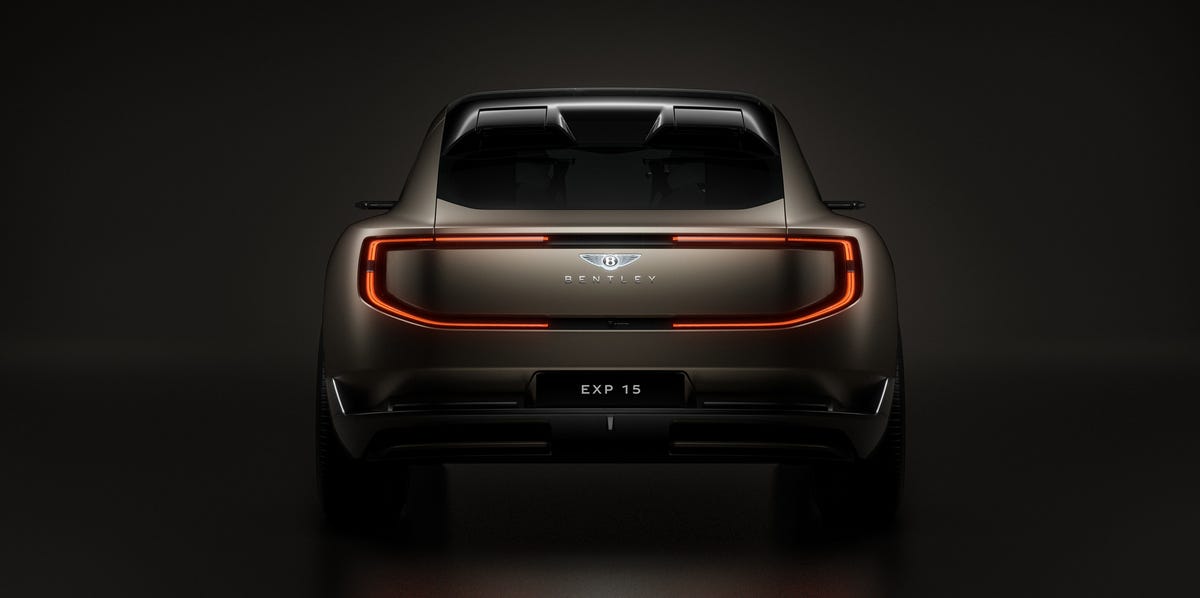
Bentley’s lone EV survives because it rides on VW Group’s Premium Platform Electric architecture, shared with the Porsche Cayenne EV. One platform, one car, one shot at proving that a battery-powered Bentley can work.
Walliser was blunt about the rest of the lineup. Plug-in hybrids will power the next generation of Bentley models. The next Bentayga, the brand’s bestseller, gets a new PHEV setup whenever it arrives, no earlier than 2028.
In a reversal that would have seemed unthinkable two years ago, Walliser acknowledged that customers are showing renewed interest in pure internal-combustion cars, putting exclusive gas-powered models back on the table. So Bentley is hedging. Hard.
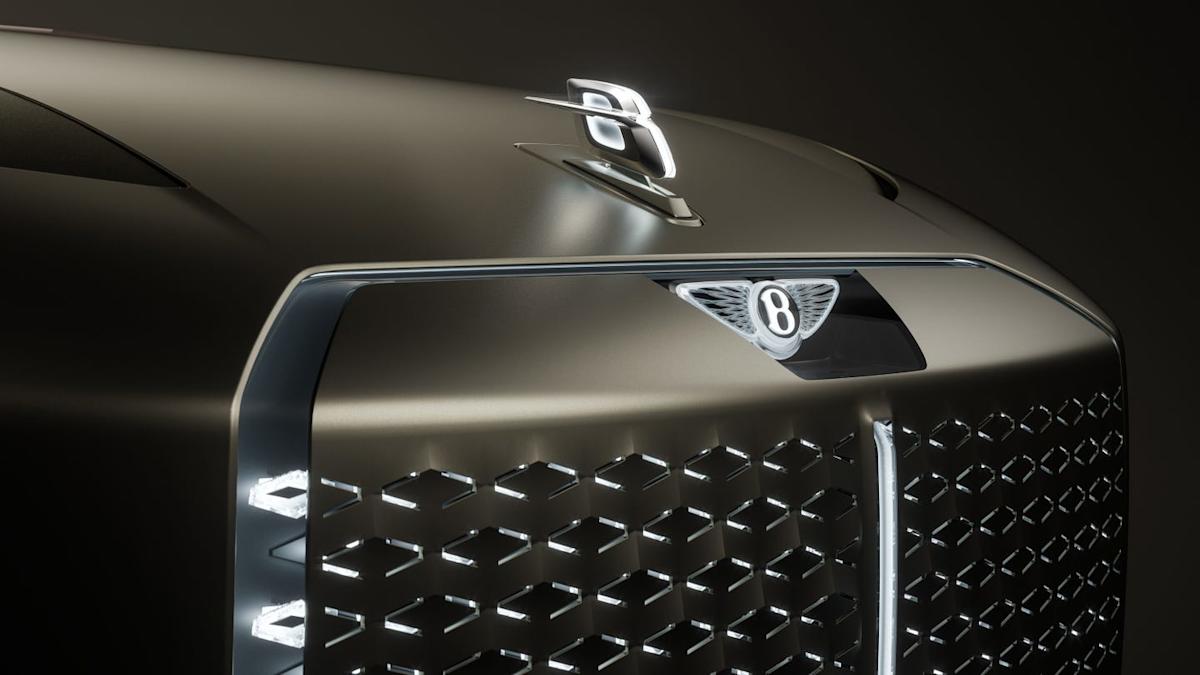
The Barnato name becomes more interesting when you trace its visual lineage. Last year’s EXP 15 concept, the electric SUV that previews this production car, was displayed alongside Barnato’s own Gurney Nutting Sportsman coupe, the so-called “Blue Train Special” he commissioned to celebrate his legendary race. Bentley isn’t just borrowing a name. It’s trying to graft an entire mythology onto a vehicle that will define whether the marque has a viable electric future.
An alternate name, “Torcal,” has been filed in EU and U.K. trademark offices but not in the United States, making it look like a backup option at best. Bentley still holds rights to “Mulsanne,” but Walliser shut that door cleanly, saying the old flagship sedan never sold well enough to justify resurrection.
Barnato is the pick, and it carries weight. Not just historical weight, but strategic weight. Bentley is asking one electric SUV to hold the line while the rest of its portfolio retreats to hybrid and combustion safety. The brand that once went all-in on a 2030 full-electrification target is now telling customers that gas engines are welcome again.
Woolf Barnato was a gambler who bet on himself and won at Le Mans three times running. Bentley is gambling that his name can carry an entirely different kind of machine into an era the man himself never could have imagined. The reveal comes later this year. The verdict comes after that.
Share this Story