


Audi just handed the keys to its China operation to a man who spent recent years running a Chinese automaker’s brand overseas. Jeff Zhang, most recently CEO of the Chery brand at Chery International, will become President of Audi China on November 1, 2026. It is the clearest signal yet that Ingolstadt views the battle for China not as a luxury brand heritage play but as a street fight where knowing the local combatants matters more than carrying the four rings on your business card.
Zhang’s resume reads like a tour of the industry’s pressure points. He ran Alfa Romeo and DS Automobiles in China for Stellantis, led Chery’s European expansion, and held posts at Nissan in Japan and North America. He did work at Audi China between 2018 and 2020, helping stand up the SAIC Audi sales organization, but his formative years were spent outside the VW Group ecosystem. Hiring someone steeped in the playbook of Chinese OEMs tells you exactly how Audi sees the competitive landscape shifting.
Joining Zhang in a streamlined two-person board will be Rolf Michl, currently Managing Director of Audi Sport GmbH, who moves east as Chief Operating Officer. Michl is a lifer. He joined Audi in 2007 in product marketing, climbed through sales and product management, ran Audi Sport Racing, and took over the RS model business in late 2022. His job in Beijing will be to bring operational discipline to a market where product cycles now move at smartphone speed.
The restructuring strips the Audi China board down to just these two executives. That is a deliberate contrast to the layered management structures German automakers have traditionally imposed on their Chinese operations. CEO Gernot Döllner called it “lean and focused.” Translation: fewer committees, faster decisions.
Johannes Roscheck, the outgoing president, returns to Ingolstadt after steering Audi through what the company diplomatically describes as “a period of profound transformation.” That transformation has not been kind. BYD, Nio, Li Auto, and Xiaomi have been devouring market share from legacy players across China, and Audi’s once-dominant position in the premium segment has eroded under relentless pressure from domestic electric competitors offering more technology at lower prices.
Back in Germany, Rouven Mohr picks up Audi Sport on an interim basis alongside his day job as board member for Technical Development. He developed the R8, ran technical validation at Lamborghini, and became Lamborghini’s CTO in 2022 before returning to Audi’s board in March 2026. Handing him the performance division temporarily keeps the RS pipeline moving while the permanent search presumably continues. But it also signals that Audi Sport is not the priority right now. China is.
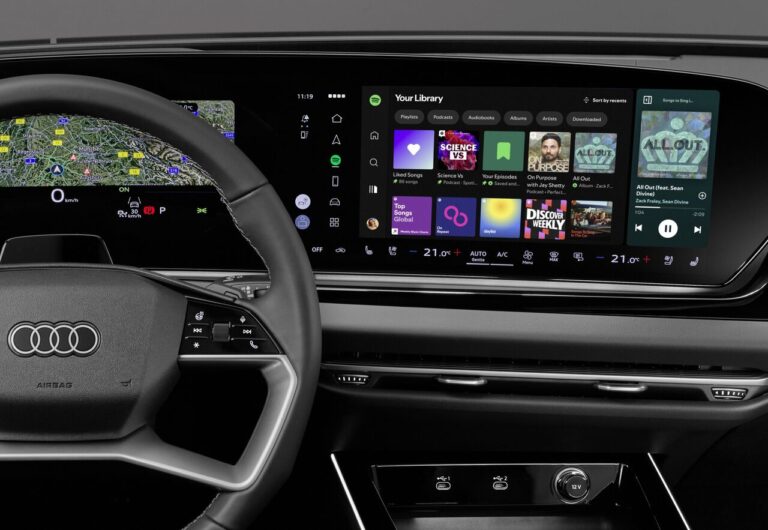
The deeper tension here sits between Audi’s heritage as a technology-led premium brand and the reality that Chinese consumers increasingly define technology on their own terms. Massive infotainment screens, autonomous driving features from local suppliers, and aggressive EV pricing have rewritten the rulebook. Audi’s dual joint-venture structure with FAW and SAIC adds complexity that competitors born on Chinese soil simply do not face.
Zhang’s appointment is a bet that someone who has operated inside the Chinese automotive machine can translate Audi’s brand equity into sales numbers that have been heading the wrong direction. He understands how Chery moves, how Stellantis failed in the market, and how local expectations diverge from European assumptions. Whether a leaner leadership team and a locally fluent president can reverse that slide depends entirely on how fast product and pricing decisions can now be made from Beijing rather than Ingolstadt.
The next quarterly sales figures will be the first real test.
Share this Story