
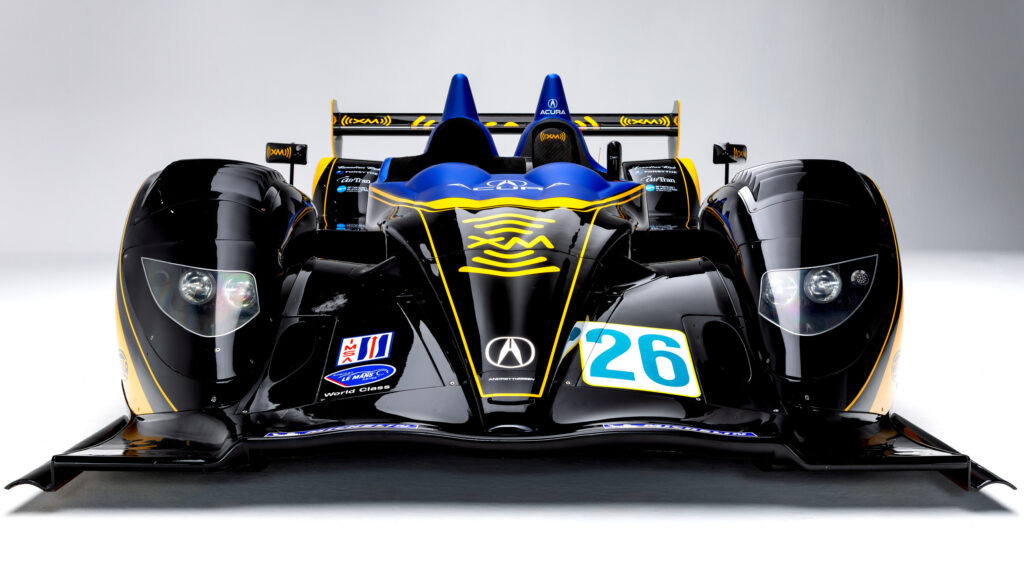


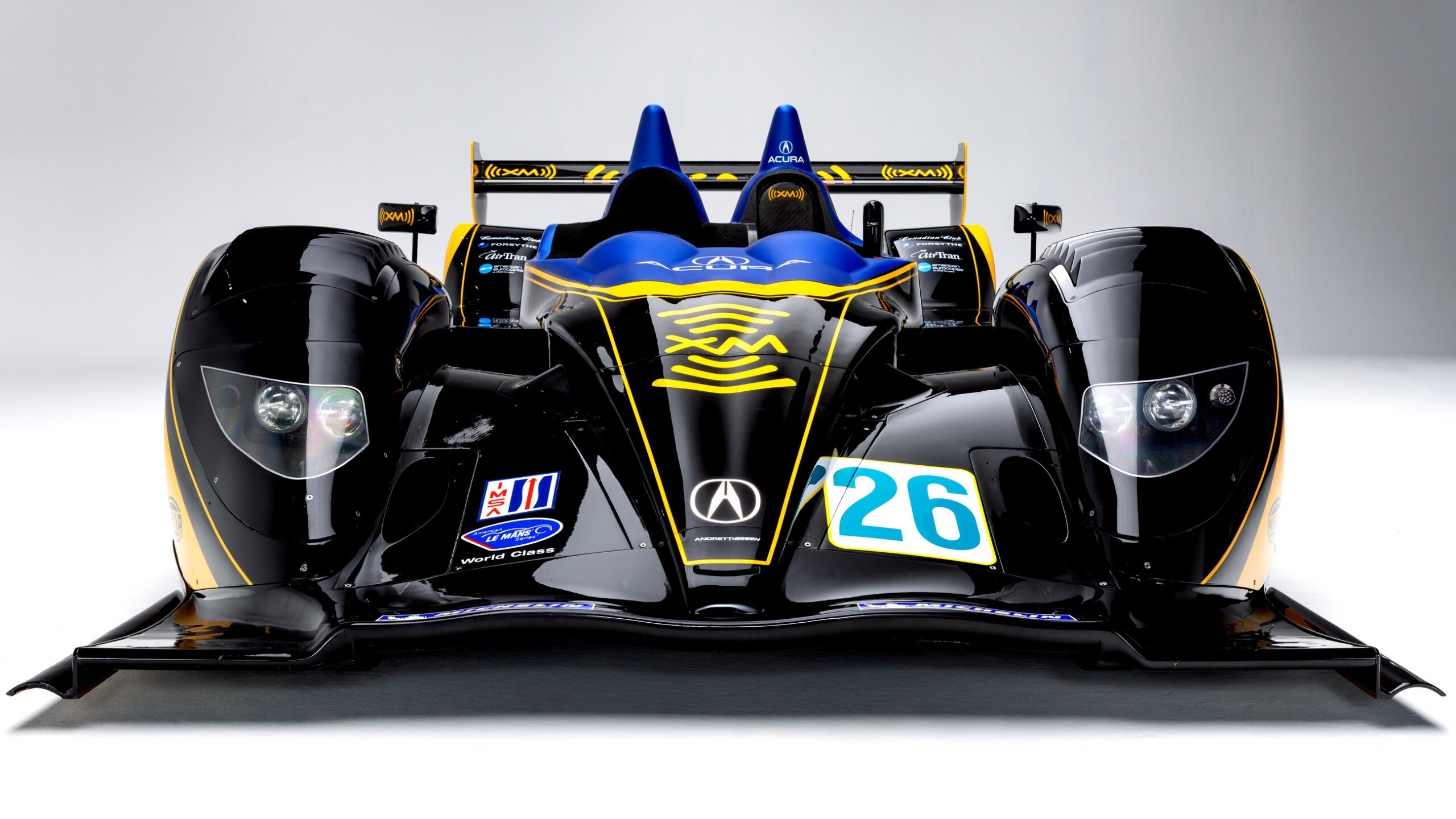
The first car Honda Racing Corporation is offering through its brand-new Heritage Racing Program is the No. 26 Acura ARX-01a, the actual prototype that won the LMP2 class at the 2007 Sebring 12 Hours on its debut outing. Dario Franchitti, Bryan Herta, and Tony Kanaan shared the wheel that day. Now some collector with deep pockets can own it.
But this isn’t just a glorified auction listing.
HRC says it will completely tear down each car it sells, cross-reference original homologation documents, engineering notes, and period photography, then reassemble it with new or reconditioned components. Engines get rebuilt at HRC’s Santa Clarita headquarters. Electronics and safety equipment receive modern updates where the factory deems them necessary. Every restored car gets a shakedown on track before delivery.
The program was announced during Monterey Car Week, with the ARX-01a set to appear at The Quail on August 14 and later at Laguna Seca. No price has been disclosed, which tells you plenty about the intended audience.
Old race cars are everywhere on the collector market. Vintage Porsche 962s, Lola chassis, retired GT machines trading hands constantly. The problem is what happens after the wire transfer clears.
Sourcing parts for a one-off prototype built nearly two decades ago is brutal. Finding an engineer who actually understands the car’s specific wiring loom or damper calibration is worse. Most historic racers end up as static museum pieces because their owners simply cannot keep them running with any confidence.
Honda is attacking that exact weakness. Buyers in the Heritage program won’t just get a restored car. They’ll get ongoing access to HRC engineers for trackside support at events.
The people who designed these machines will be available to help run them. That is the kind of factory backing that no independent restorer or vintage racing specialist can replicate.
HRC has already restored four Acura ARX-05 DPi prototypes and is currently offering an NSX GT3 chassis that accumulated 38 class wins across IMSA and SRO competition. Historic Honda-powered IndyCars are expected to join the catalog in the future.
The model borrows from a playbook that Porsche, Ferrari, and Lamborghini have all explored with their own heritage and restoration divisions. Factory-backed classic programs print money because they solve a real problem for collectors who want to use their cars rather than park them behind velvet ropes. Honda is late to this party, but it arrives with genuine hardware.
A Sebring-winning LMP2 car is not some warmed-over GT variant.
There is a calculated business logic here too. Every car HRC restores and supports becomes a rolling advertisement at vintage racing events, concours gatherings, and track days populated by exactly the kind of buyers Acura wants to court. The marketing value alone probably justifies the overhead of keeping a heritage shop staffed and stocked.
What remains to be seen is how deep Honda is willing to go. Honda has powered some of the most memorable open-wheel machines in American racing history, from the turbocharged V6 era through its current hybrid partnership with Andretti and Chip Ganassi. If HRC starts offering restored, track-ready IndyCars with factory support, the collector market will pay close attention.
For now, one Sebring winner is looking for a new home, and Honda is promising it won’t be an orphan.
Share this Story