
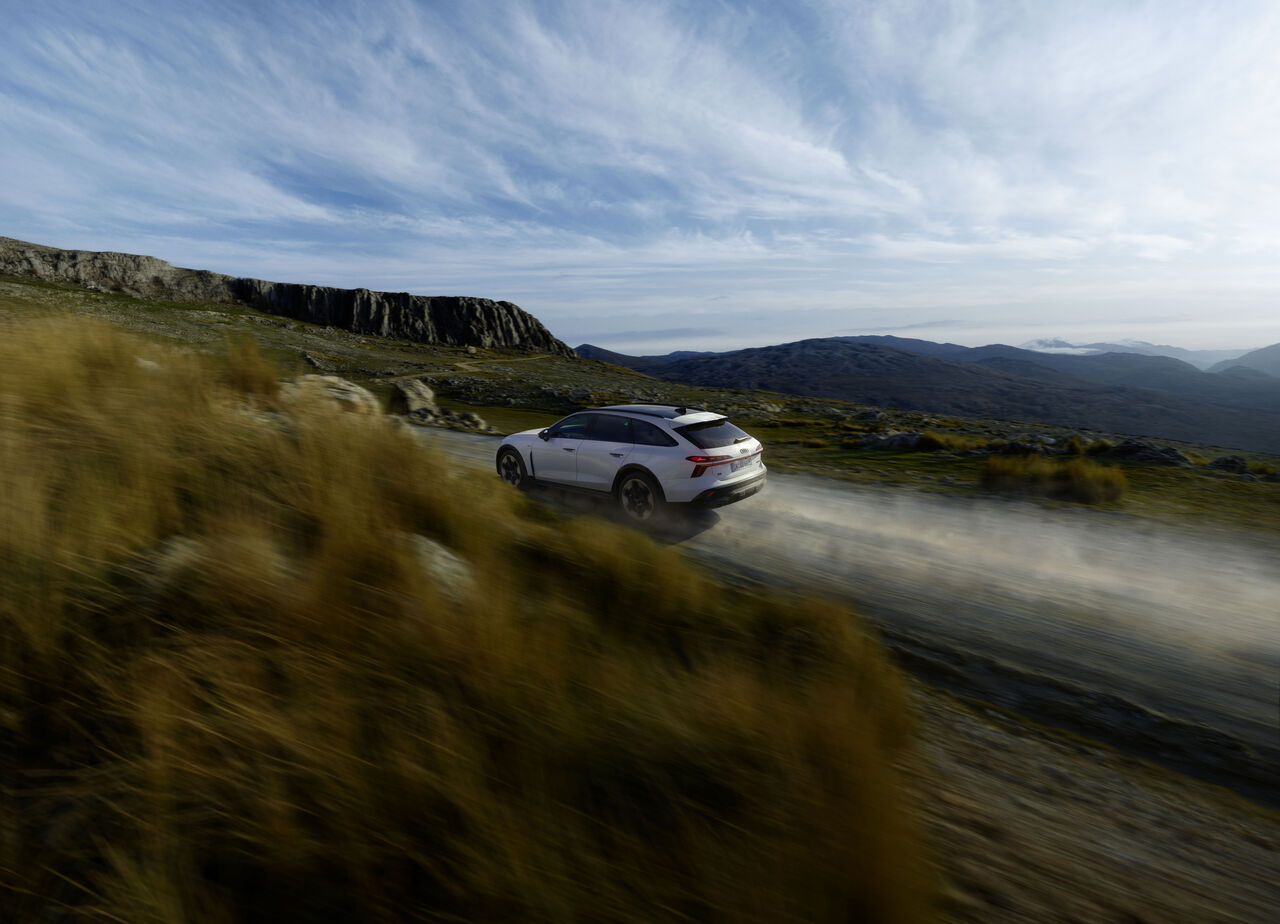


Audi pulled in 29.2 billion euros in the first half of 2026, a drop of more than 3.3 billion euros compared to the same period last year. Yet operating profit actually ticked up, from 1.087 billion to 1.122 billion euros. That gap between shrinking revenue and rising profit tells you everything about where this company is right now: cutting its way to stability.
The math is brutal but clarifying. Deliveries fell 7 percent globally to just over 727,000 vehicles. China, once Audi’s golden goose, shed more than 55,000 deliveries compared to H1 2025, dropping from 287,600 to 232,227.
North America slid from 98,712 to 82,187, a casualty of tariff friction. Revenue declined across the board on weaker volume, negative mix effects, and reduced parts income from Chinese local production.
So how does profit go up? Cost discipline. Audi’s leadership has been squeezing every department, cutting restructuring expenses and benefiting from lower CO2 compliance provisions.
The operating margin rose to 3.8 percent from 3.3 percent. It is not a number anyone in Ingolstadt is celebrating, but it proves the tourniquet is working even as the patient bleeds volume.
CEO Gernot Döllner framed the situation with characteristic corporate optimism, pointing to the upcoming Audi Q9 debut in New York as proof that the brand’s strategy is on track. The Q9 is a full-size SUV built explicitly for American tastes, a product category Audi has never competed in before. It launches in Q4 alongside the compact A2 e-tron, an entry-level electric vehicle that will roll off the line in Ingolstadt this fall.
The product offensive is real. But the market headwinds are relentless.
Europe provided some relief. Spain surged 21 percent, Italy 17, Britain 10. Germany itself was up 4 percent, with BEV deliveries jumping 23 percent and plug-in hybrid demand exploding by 147 percent.
Western European incoming orders climbed 7 percent overall. Audi is finding traction in its home continent even as its two largest export markets deteriorate.
Lamborghini remains a cash machine with a 22.7 percent operating margin, though that figure slipped from 26.6 percent a year ago. Revenue actually grew on stronger customization demand. Bentley took a harder hit, with deliveries falling to 4,211 and its margin nearly halved to 4.5 percent.
Ducati saw operating profit cut almost in half as motorcycle market conditions softened.
CFO Jürgen Rittersberger did not sugarcoat the road ahead. He acknowledged the measures taken so far “are not enough” and called for large-scale structural changes in partnership with the wider Volkswagen Group. The VW Board has already presented a restructuring package to its supervisory board, a plan designed to make the group’s brands “more effective, sustainable, and resilient.”
That language, coming from a company that shut its Brussels plant last year, suggests more factory-level decisions are in the pipeline.
Audi revised its full-year guidance downward. Revenue is now expected between 58 and 63 billion euros, with an operating margin of 5 to 7 percent. Net cash flow projections held steady at 3 to 4 billion euros, helped by a strong H1 showing of 1.885 billion, more than double last year’s figure, which was weighed down by the Sauber acquisition.
The financial result from China collapsed, falling from 279 million euros to just 73 million. That single line item captures the scale of Audi’s retreat in a market where local competitors are undercutting European brands on price, technology, and speed to market.
Ingolstadt is building new products, slashing costs, and bracing for a fight it knows will get worse before it gets better.
Share this Story