
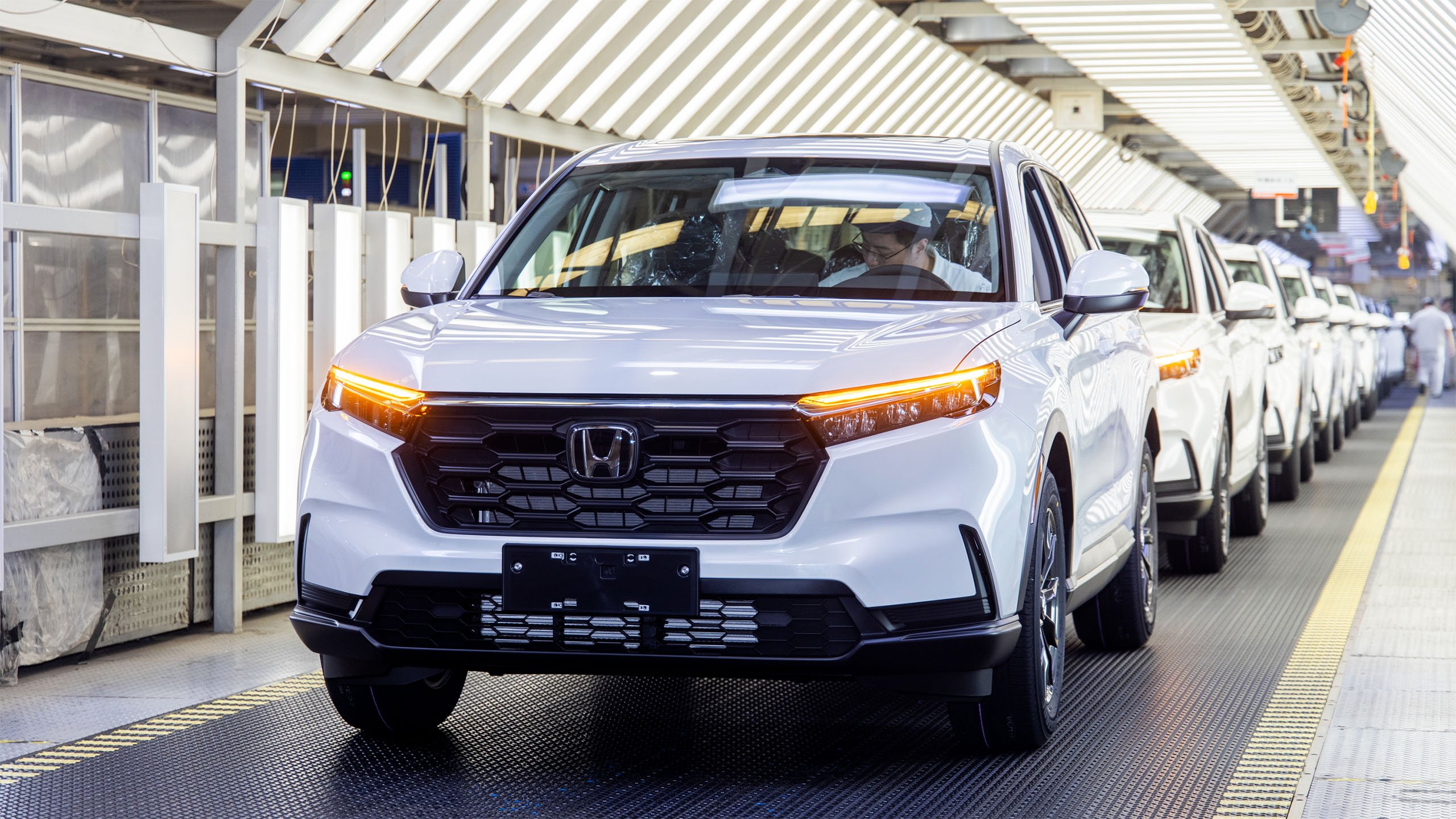


The Honda CR-V has done something neither the Toyota RAV4 nor the Ford F-150 could manage over the first six months of 2026: stay on top. With 226,114 units sold through June, the compact SUV claimed the title of America’s best-selling vehicle. That crown has historically belonged to Ford’s pickup truck.
The numbers tell a story of momentum. CR-V sales climbed 19% year-over-year in May, then surged 30% in June. Honda didn’t just edge past the competition — it pulled away.
Two forces opened the door. Ford’s F-150, the perennial king of American sales charts, has been hobbled by supply shortages that have constrained inventory at dealerships nationwide. Meanwhile, Toyota’s RAV4 is in the middle of a generational redesign, always a sales killer during the transition period when buyers either wait for the new model or find the outgoing one hard to locate on lots.
Honda, by contrast, hit its stride at exactly the right moment. The current CR-V is fresh enough to attract buyers, available enough to actually sell, and priced in the sweet spot that keeps it relevant whether the economy is humming or sputtering. That trifecta doesn’t happen by accident.
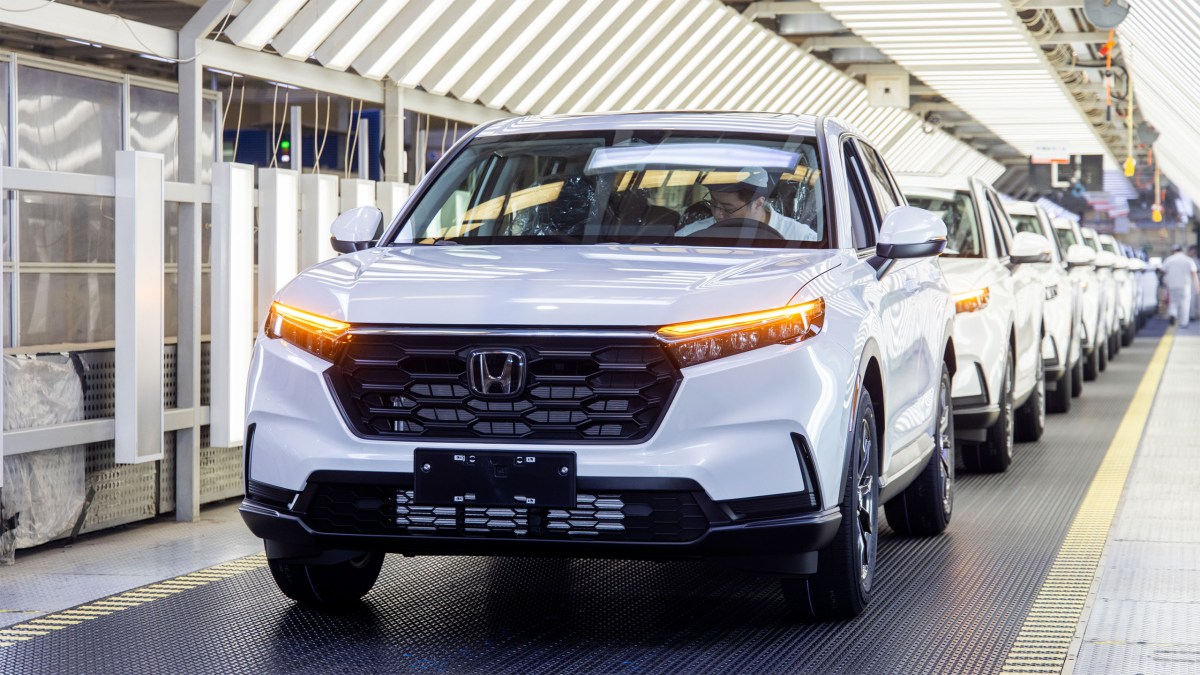
This isn’t the first time a non-truck has topped U.S. sales charts, but it remains rare enough to be noteworthy. The F-150 has owned that position for over four decades, an unbroken streak that became part of Ford’s identity. A supply-driven stumble doesn’t erase that legacy, but it does expose how fragile dominance becomes when production falters even slightly.
Toyota, for its part, will recover. Generational changeovers always create a temporary dip, and the RAV4’s customer base is deeply loyal. But the gap Honda opened in just two months suggests the CR-V isn’t merely catching spillover demand. People are choosing it.
The broader context matters here. The chip and component shortages that plagued the industry post-pandemic were supposed to be behind us. They aren’t. Memory chips remain scarce enough that General Motors just signed a dedicated supply agreement with Micron, the kind of deal automakers make when they can’t rely on the open market anymore.
Honda has historically been better at managing its supply chain through disruption. It showed during COVID, it showed during the semiconductor crisis, and it’s showing again now. Building a great vehicle is only half the battle — the other half is actually getting it to the customer.
Whether the CR-V holds the top spot through December depends on variables Honda can’t fully control. How quickly Ford resolves its supply issues, when the new RAV4 hits dealer lots in volume, and whether tariff pressures further scramble the parts pipeline all remain open questions. But for now, a compact crossover from Honda sits atop the American sales charts, and it got there the old-fashioned way: by being available, competent, and relentlessly consistent.
The F-150 will almost certainly reclaim its throne eventually. Ford’s truck is too deeply embedded in American buying habits to stay down for long. But Honda just proved that even the most entrenched sales dynasties have a glass jaw when the supply chain throws a punch.

Share this Story