
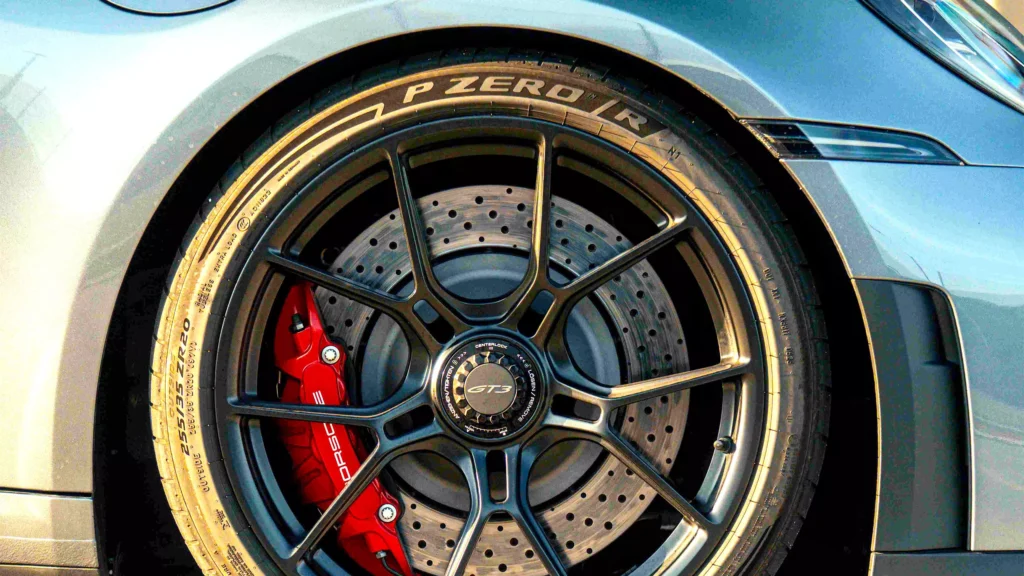


Pirelli is bringing its Cyber Tyre — the world’s first sensor-embedded connected tire system — to its Rome, Georgia plant, but the road there ran through a U.S. government investigation over the company’s Chinese ownership ties. That tension between cutting-edge tire technology and geopolitical suspicion is the real story here.
The Italian tiremaker announced the production plans at the SelectUSA Investment Summit in Washington, the Commerce Department’s marquee event for attracting foreign investment. Pirelli showcased the Cyber Tyre at the Georgia State booth, a deliberate bit of staging designed to signal American roots. The company has operated in Rome, Georgia for more than two decades.
But Pirelli isn’t just any Italian company anymore. China’s Sinochem holds a significant stake in the firm, and that ownership structure triggered a U.S. government review before Pirelli got the green light to manufacture connected tires domestically. The investigation concluded with approval, but the fact that it happened at all tells you where Washington’s head is right now regarding Chinese-linked technology on American roads.
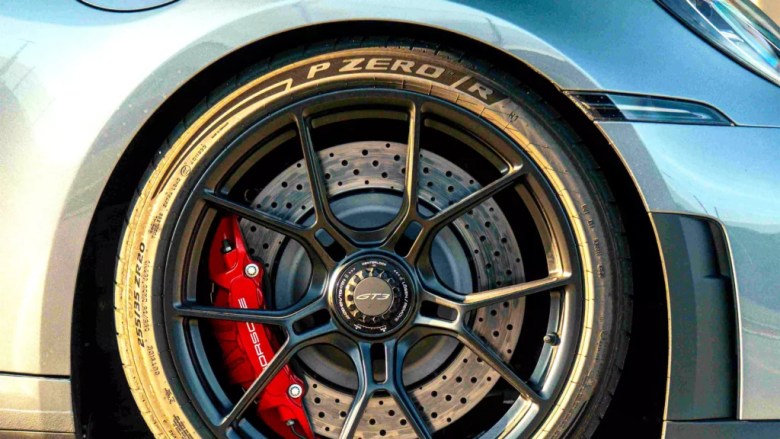
Cyber Tyre isn’t a gimmick. It’s a hardware-and-software platform that uses sensors inside the tire to collect real-time data, processes it through Pirelli’s proprietary algorithms, and feeds that information directly to the vehicle’s electronic systems. The applications range from enhanced stability control to infrastructure communication — the kind of vehicle-to-everything connectivity that autonomous driving advocates have been chasing for years.
In a market where every major automaker is racing to digitize the driving experience, a tire that talks to the car is no small thing.
Claudio Zanardo, CEO of Pirelli North America, called the Georgia production start “a significant milestone,” adding that it “reflects our commitment to bringing advanced technologies like Cyber Tyre closer to the market.” The corporate language is predictable. The underlying industrial strategy is not.
Pirelli is also installing the latest version of its MIRS robotized manufacturing system at the Georgia facility — a process the company says will be the most advanced premium tire production line in its entire global network. That’s a pointed decision: putting your best manufacturing technology not in Milan or in a lower-cost Asian facility, but in the American South. The move positions Rome, Georgia as Pirelli’s flagship high-tech plant worldwide.
The investment and capacity expansion details haven’t been disclosed yet. Pirelli says those numbers will come “in the coming months following the finalization of development plans.” Translation: the commitment is real, but they’re still working out how big to go.
Pirelli needs the U.S. premium tire market — it’s one of the most lucrative in the world, and American consumers have an outsized appetite for high-performance rubber. But the Sinochem connection makes every move in America a diplomatic exercise. Manufacturing connected, data-collecting tires on U.S. soil, under U.S. jurisdiction, with U.S. workers is the cleanest way to neutralize national security concerns while keeping access to American wallets.
The Georgia plant already produces high-value tires and hosts a dedicated R&D center. It uses FSC-certified natural rubber, a detail Pirelli highlights to burnish its environmental credentials. But the real credential being polished here is trust — trust that a Chinese-linked company can build sensor-laden smart tires in America without raising alarms in Washington.
Pirelli got its approval. Now it has to deliver on the technology while keeping regulators comfortable. In a market where data is as valuable as tread compound, that balancing act only gets harder from here.



Share this Story