
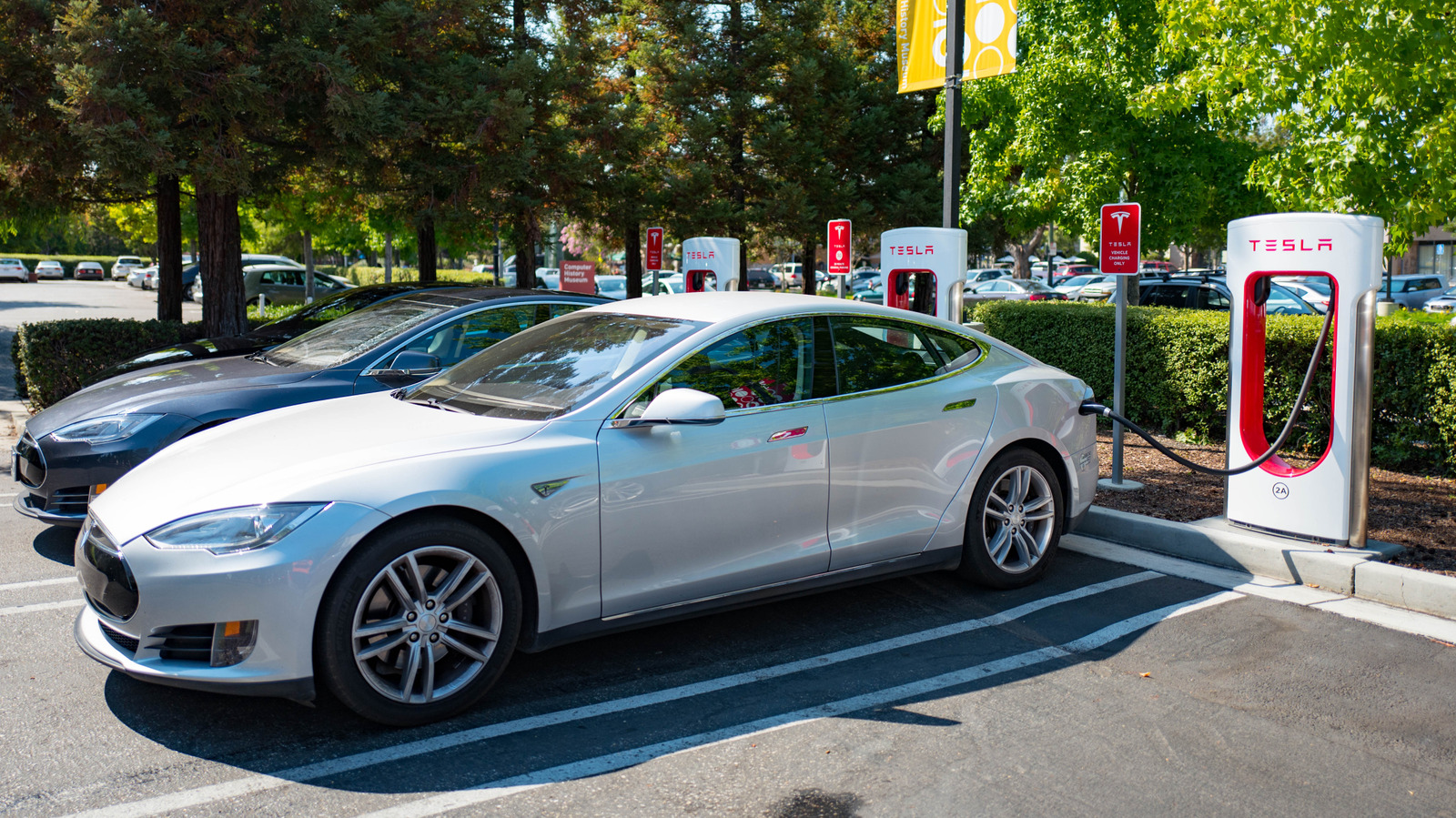


Tesla will put a new battery in a 2012 to 2016 Model S for $13,000. On a car that old, the number makes owners wince.
Then they look at a dealer lot, where the average new car now sells for close to $50,000. The wince fades fast.
That math is reshaping a question EV skeptics have swung like a club for a decade. When the pack dies after the warranty runs out, do you fix the car or walk away?
The pack rarely dies on schedule. Tesla covers its batteries for eight years or up to 150,000 miles depending on the model, and plenty of cars blow past those marks with little drama.
A Tesla can cross 250,000 miles and still hold 84% of its original capacity. That still works out to roughly 250 miles on a charge.
A recent U.K. study of used EV repairs didn’t even put battery replacement in the top five. The horror story gets told far more often than it actually happens.
When a pack does fail, the bill depends on what you drive. Older models run between $12,000 and $18,000 for a full replacement.
The original Roadster is the outlier. Its battery costs $40,000, which puts it in a different conversation entirely.
The everyday case is the Model 3. A replacement pack for a 2017 to 2023 rear-wheel-drive car costs $12,500.
A new Model 3 starts at $36,990. A used 2023 example goes for about $26,700.
Now put that battery price next to a used 2017 Toyota Corolla, which Kelley Blue Book values at $12,450. For the price of a seven-year-old commuter sedan, the Tesla gets a new heart.
Owners don’t have to pay Tesla’s rate, either. Independent shops can sometimes open a pack and swap only the failed component instead of replacing the whole thing.
Refurbished packs are another route. Recell EV sells rebuilt Tesla batteries starting at $7,495 installed, roughly half the factory price.
Refurbished is not new. Bought through a reputable shop, though, those packs typically come with some warranty from the provider.
The battery is only one part of a ten-year-old car. Motors, suspension and everything else that wears out over a decade don’t care that the pack is fresh.
Stack a few of those repairs on top of a five-figure battery bill and the case gets shakier. At some point, a new car with a full warranty costs about the same as nursing an old one along, or less.
Buying used brings its own trap. Battery health is hard to judge without specialized diagnostic equipment, so a clean-looking Model S can hide a tired pack.
The question isn’t going away. The early Teslas that kicked off this market are now aging into used lots and independent garages.
Those cars are the test case. Every 2013 Model S that rolls in with a dead pack forces the same decision, and new-car prices keep tilting it toward the repair bay.
Tesla’s $13,000 quote hasn’t moved much. The sticker on the alternative keeps climbing.
Share this Story