
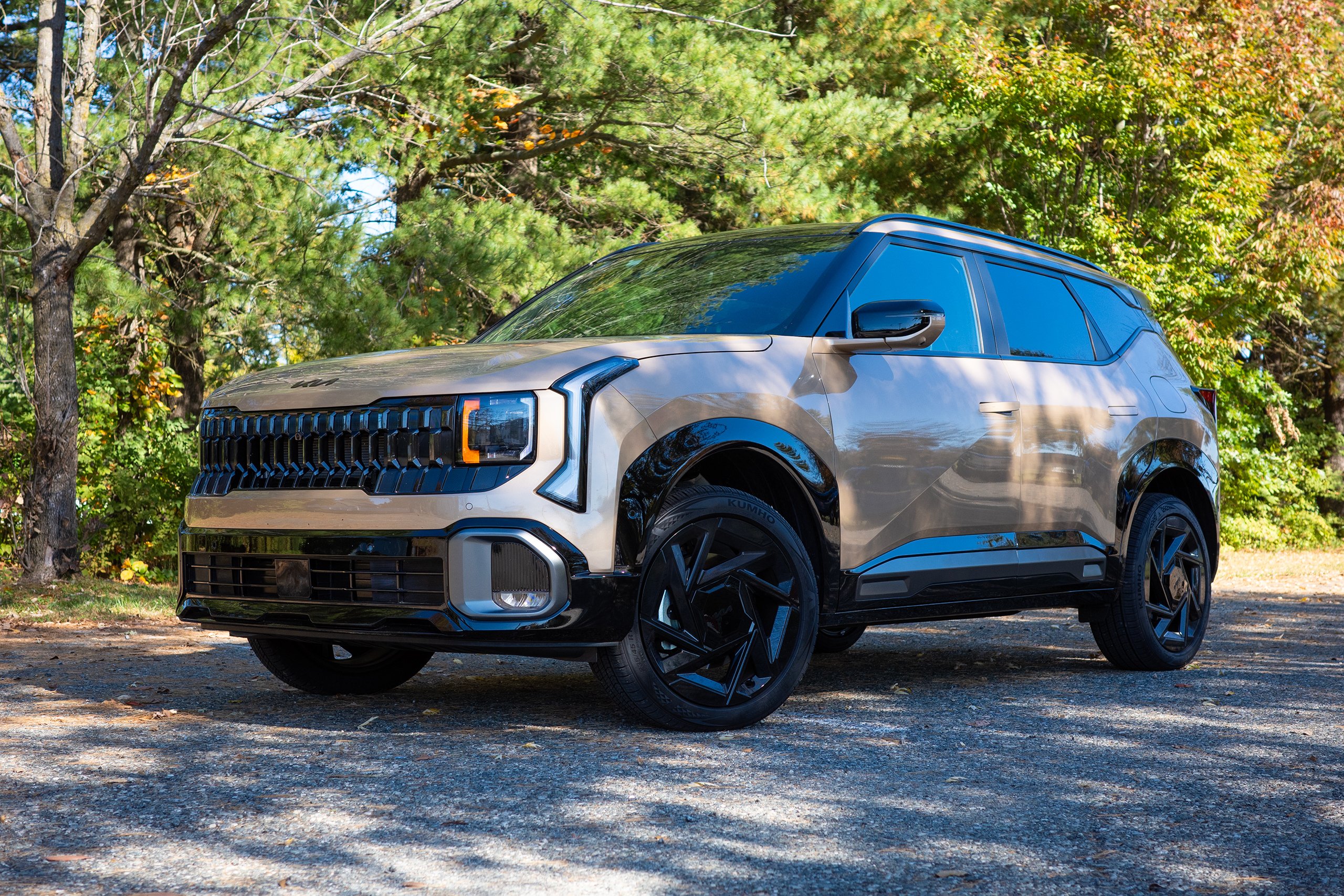


Seltos sales are up 45% through September, the first year after its redesign. At least one person who has driven it doesn’t like how it looks.
Adam Ismail, a senior editor at The Drive, spent last week in the new Kia Seltos. His verdict is one the sales figures flatly refuse to back up: the design that once won him over has already gone stale.
That gap between critic and customer is the real story. It isn’t new in this business, but it rarely shows up this cleanly.
Ismail starts with a confession. He liked the Kia K4 when the compact sedan debuted, and he praised its mix of muscle and ’80s-style diagonal lines as a cyberpunk step forward for a brand that never had much of a design identity.
The trouble with something that distinctly modern, he argues, is what happens when the moment passes. Fashion moves on, but the sheetmetal stays.
He applies that logic to the Seltos, which borrows heavily from the K4, with little mercy. He calls the new one rigid, blocky, techy and busy. Then he goes further, dismissing it as “another internet-connected brick” and “as fleeting and disposable as a cheap Android tablet.”
The old Seltos fared better in his eyes. He liked its subtly flared fenders and its curved but purposeful fascia, which reminded him of a baby Dakar runner.
Inside, the complaints get practical. Ismail calls the fit and finish acceptable and the plastics tacky and bland, a fair trade on Kia’s cheapest model. He does credit it with enough physical buttons.
The climate panel is another matter. It sits between the instrument cluster and the infotainment screen, hidden in a permanent blind spot behind the right edge of the steering wheel.
To use it, you have to lean over and look around the wheel. Ismail admits he liked the look of that panel when he first saw it in the K4. Now he calls it frivolous, far from intuitive and not fully baked.
Then there’s the price. His SX all-wheel-drive tester stickered at $37,250, which he says is more than anyone should pay for this car.
None of that has slowed buyers down. A 45% jump on an affordable crossover is not a rounding error, and Ismail concedes the public probably doesn’t share his view.
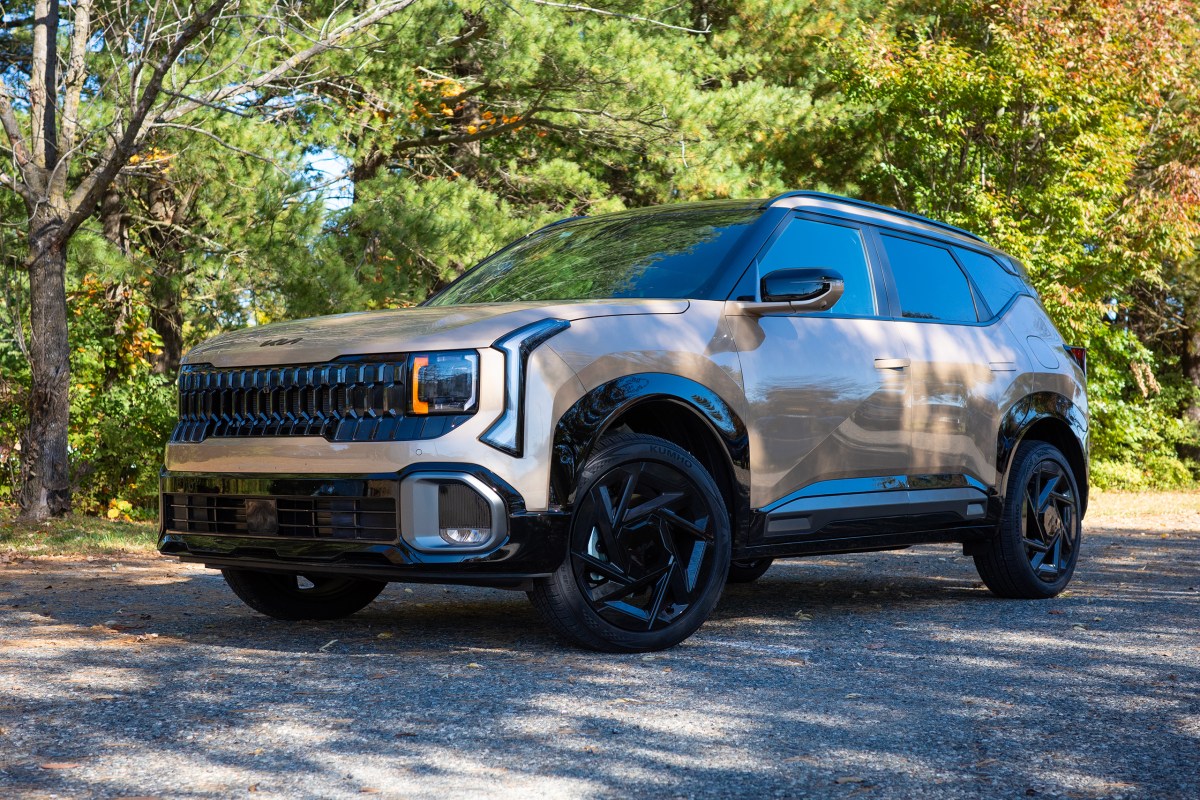
He offers theories rather than answers. Maybe Kia’s rebrand keeps paying off. Maybe the edgy details he finds tiresome read as a bonus in a segment that rarely excites anyone.
He also gives the Seltos its due as a car. He calls it broadly fine, with pleasant road manners, so his objection is to the look rather than the drive.
The question he raises reaches past one model. Designers often argue that a car everyone likes at first sight is headed for irrelevance, so surprise beats approval. Ismail’s counter is simple: once the surprise fades, what’s left?
Hyundai is drifting in the same direction. Ismail points to the new Tucson and the latest Avante, the car sold in America as the Elantra, as proof that the parent company is also “getting a little out there.”
Genesis, in his telling, gets a pass. As the aspirational brand, it can seemingly do no wrong.
Ismail’s parting shot lands right on that divide. Maybe, he suggests, timeless design is now a luxury that costs extra.
For now, Seltos buyers are voting with their wallets. The real test comes later, when today’s sharp creases have to survive a few years of shifting taste on the used-car lot.

Share this Story