
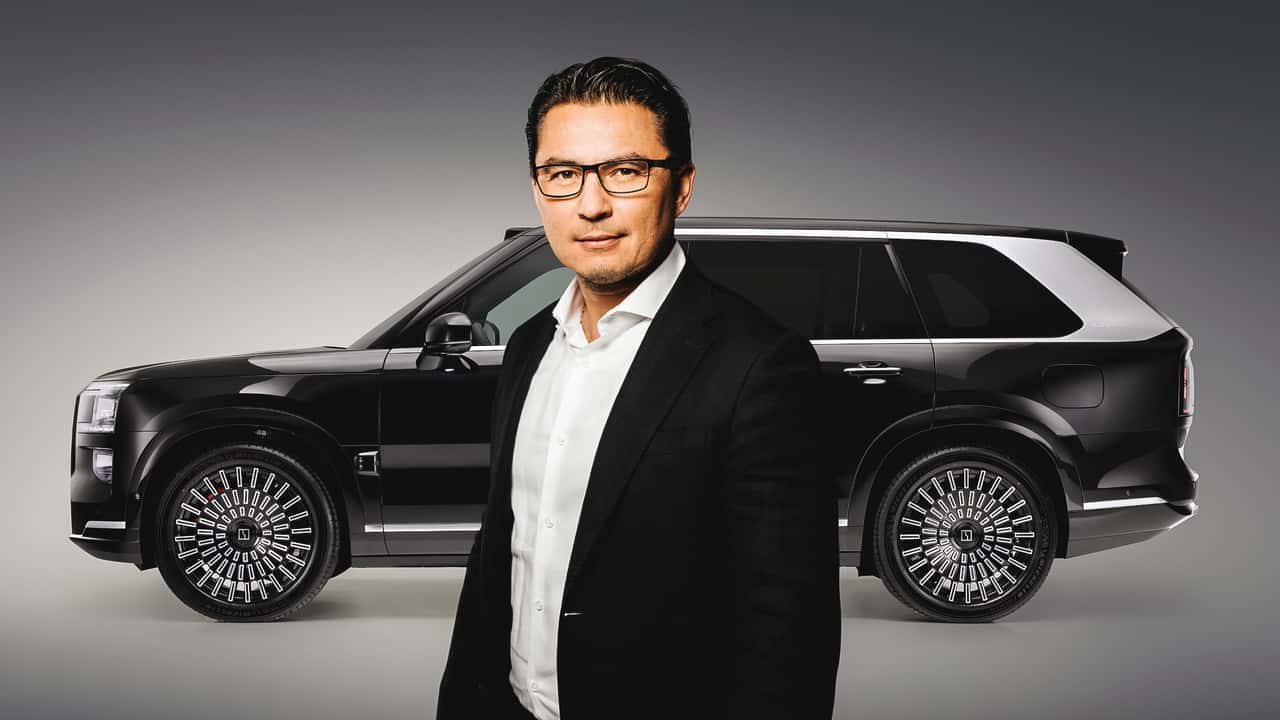


Zeekr delivered 2,930 vehicles across Europe through April 2026. That is a small number by any German luxury standard. It also represents a 250 percent year-over-year increase, which is the kind of trajectory that makes boardrooms in Munich and Stuttgart pay closer attention than they’d publicly admit.
The Geely-owned premium brand is not content to be another anonymous Chinese EV exporter hoping volume and low prices will do the heavy lifting. Its European CEO, Lothar Schupet, spent 23 years at BMW Group before crossing over, and his playbook borrows heavily from the very rivals he now wants to undercut.
“The power of a giant with a European soul,” Schupet told Motor1 at the Paris Motor Show. It sounds like a slogan. The execution suggests something more deliberate.
Zeekr maintains R&D operations in Sweden, Germany, and the UK, largely through its corporate ties to Volvo. That infrastructure allows the brand to do what most Chinese exporters have struggled with: adapt the product before it ships, not after customers complain.
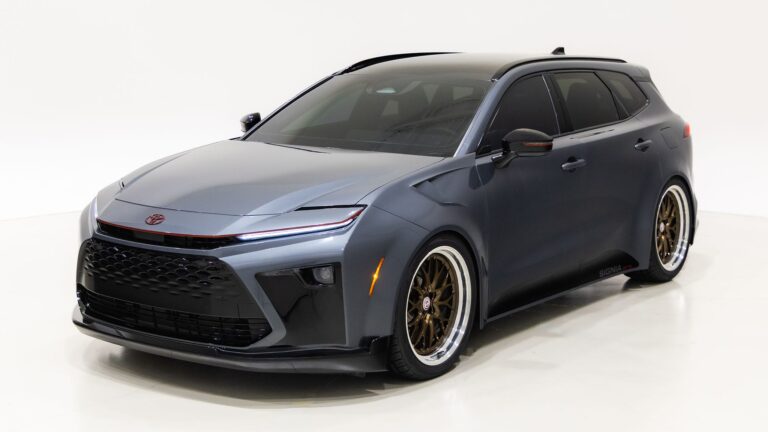
The 7GT shooting brake is the clearest evidence. Instead of dumping its Chinese-market 007 sedan into European showrooms unchanged, Zeekr developed a wagon-style variant specifically for the continent. “Europeans need a wagon,” Schupet said. “Can we not create something that’s sexy and nice? And that car was born in Europe.”
It’s the kind of move that separates brands with long-term ambitions from those chasing quick market share.
The localization goes deeper than body styles. Schupet said European buyers demand sharper handling, tighter suspension tuning, and better cornering feel than their Chinese counterparts. “In Europe, we want to be faster and more dynamic, whereas in China, customers are more safety-oriented. We have quite a huge set of things we need to adapt.”
Zeekr is also hedging its bets on powertrain strategy. Its Super Hybrid technology, an extended-range EV with a combustion engine onboard for longer trips, targets buyers who aren’t ready for a full battery commitment. Schupet frames it as a gateway drug. “They need to get that experience. And then it’s just a segue to the next car, which will be an EV.”
The dealer network is still the weakest link. Zeekr aims for more than 200 active dealers across Europe plus another 100 service-only locations. Schupet says the company is signing 10 to 15 dealers per week, a pace that sounds aggressive until you consider how long it takes to build real trust in markets like Germany, France, and the UK.
“We need to deliver on service,” Schupet acknowledged. “Parts need to be there. Waiting times need to be low.”
This is where Chinese brands have historically stumbled. Building a competitive car is a solvable engineering problem. Building a service network that matches BMW or Mercedes takes years and enormous capital, and customers who get burned early rarely come back.
The longer play extends beyond Europe. Geely plans to bring vehicles to Canada by 2027 and has the US market in its sights. Whether Zeekr will be part of that push remains unconfirmed, but Schupet believes the product is ready.
“I think we tick most of the boxes,” he said. “The difference comes from that tuning.”
Tariffs, political headwinds, and brand recognition remain massive obstacles in North America. But the European experiment is generating real data, real sales growth, and a real operational template.
Ten years ago, the idea of a Chinese luxury brand poaching a senior BMW executive and then tailoring shooting brakes for European tastes would have drawn laughter. Nobody at the German OEMs is laughing now. They’re counting dealer sign-ups.
Share this Story