


The Buick Fireball V6 was born in 1962 not from inspiration but from amputation. General Motors simply hacked two cylinders off a small V8, kept everything else the same, and called it a day. That origin story tells you almost everything you need to know about why the V6 has spent six decades as the engine format nobody gets excited about.
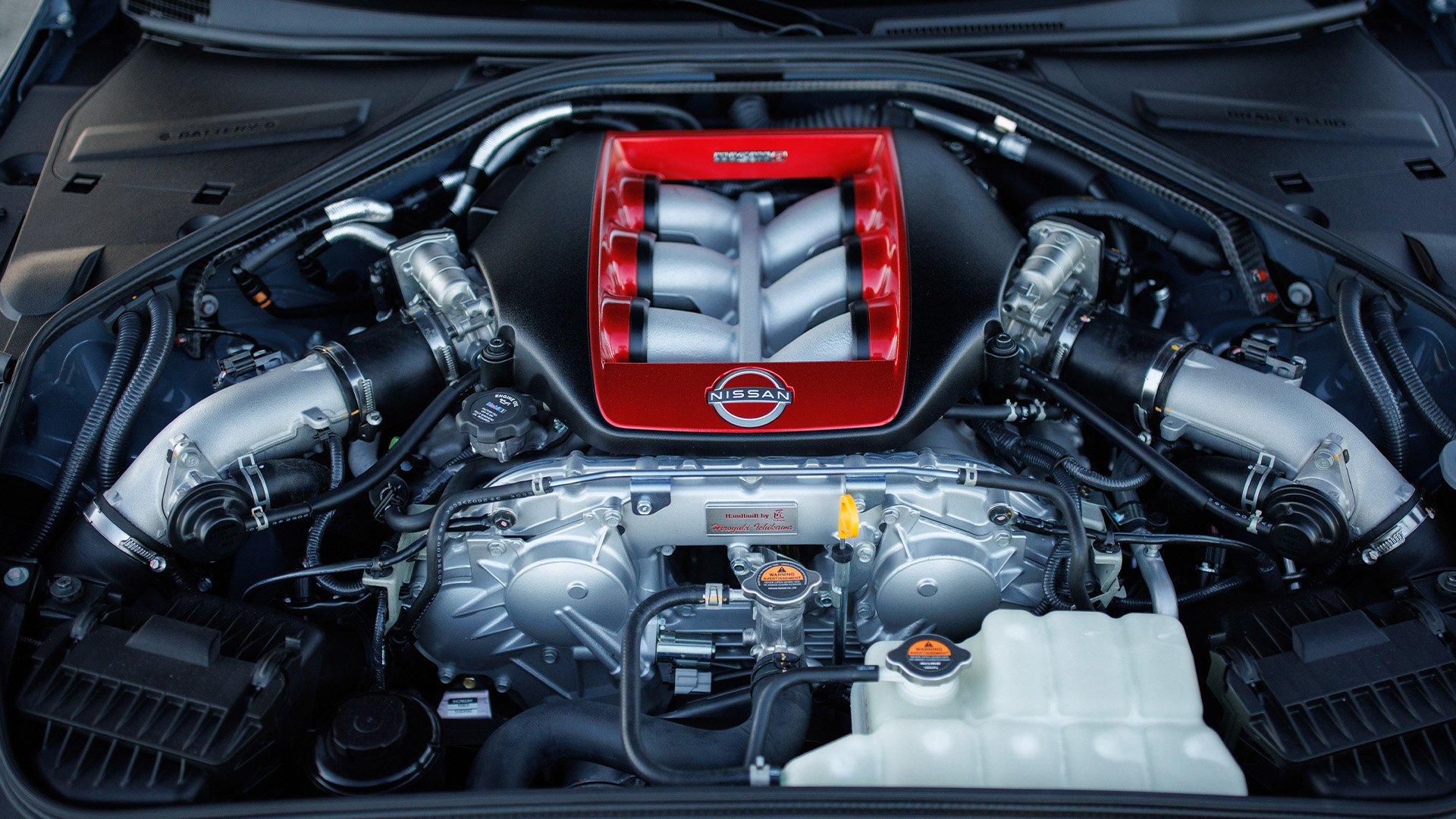
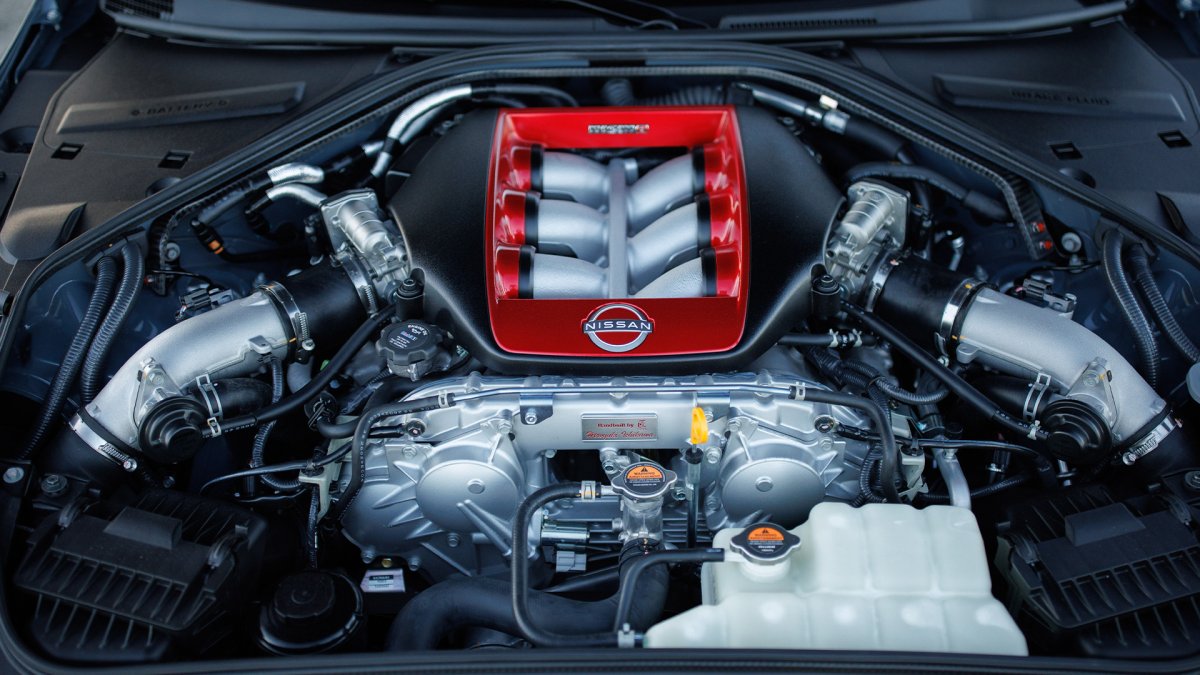
It’s not that V6s can’t perform. The turbocharged 3.8-liter Buick V6 made the GNX one of the most feared cars of the 1980s. Nissan’s VR38DETT turned the R35 GT-R into a supercar killer. Ford stuffed an EcoBoost V6 into the second-generation GT and went racing at Le Mans with it. The resume is there. The romance is not.
The problem started with physics. GM’s original 90-degree V6 was rough and unrefined because a V-angle designed for eight cylinders doesn’t balance properly with six. An odd number of pistons per bank creates vibrations that a V8 simply doesn’t have. Lancia had already solved this in 1950 with a 60-degree layout for the Aurelia, but solving it cost money, and the whole point of the American V6 was to avoid spending money.
When other automakers caught on to the 60-degree formula, V6s got smoother, more compact, and more power-dense. They fit neatly into transverse engine bays as front-wheel drive took over the mainstream market. That was their triumph and their curse. The V6 became the engine of sensible cars, boring cars, cars your parents bought because the four-cylinder wasn’t quite enough and the V8 was too much.
GM’s own 60-degree V6 debuted in the 1980 Chevrolet Citation, a car that promised modern efficiency and delivered abject failure. The Citation flopped spectacularly, but not before cementing the V6’s association with downsizing, compromise, and the painful retreat from a V8 golden age that enthusiasts still mourn.
Even when a V6 is genuinely special, the audience shrugs. Maserati developed the Nettuno from scratch for the MC20 supercar, complete with Formula 1-style pre-chamber ignition. It was a clean-sheet design with real engineering ambition, and the response was indifference.
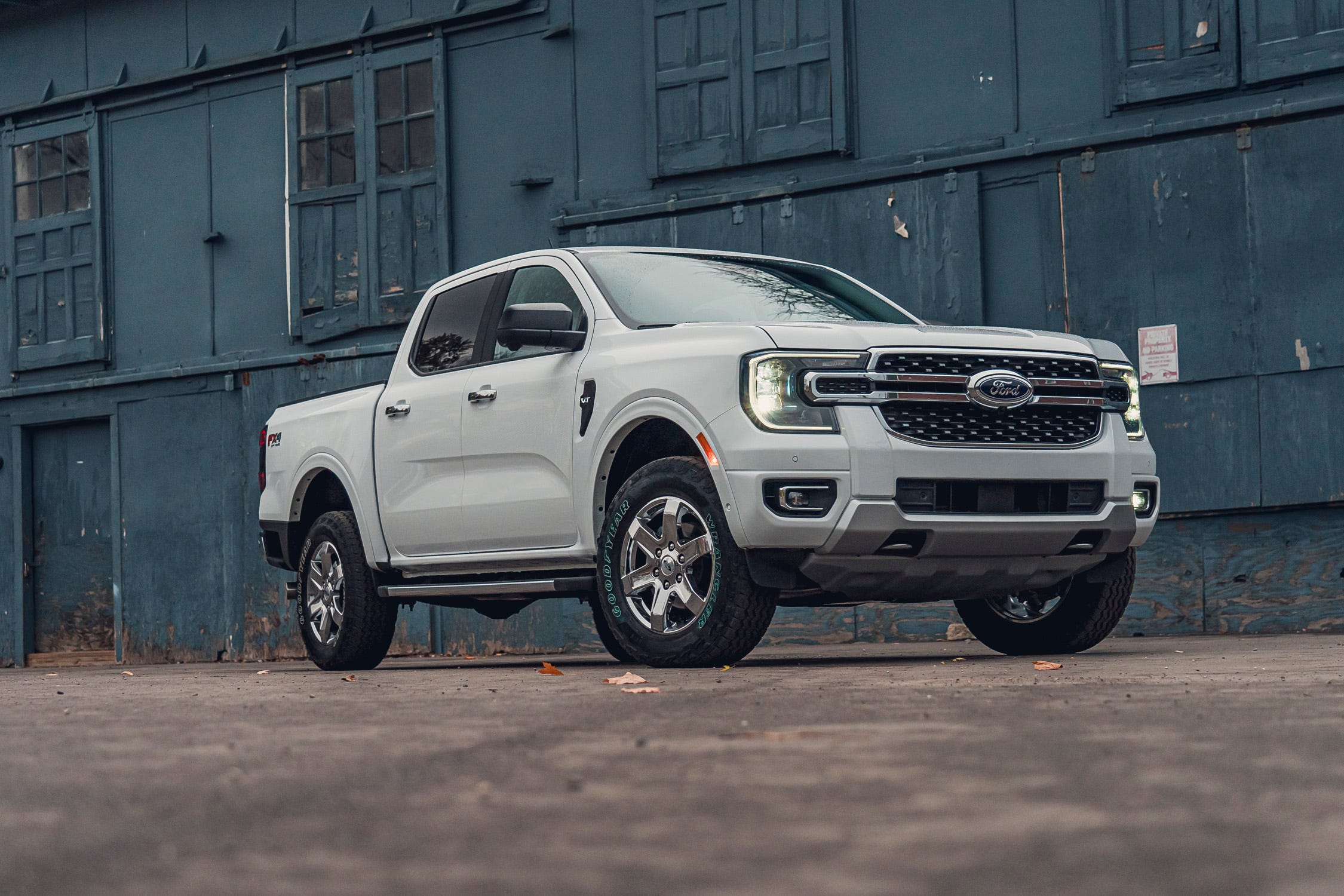
In the truck world, V6 engines often outperform their V8 counterparts on every measurable axis. Yet manufacturers are reintroducing V8s because customers demand the sound and the badge more than the capability.
That disconnect is the real story. The V6 has always been the pragmatic choice, the adult decision, the engine selected by engineers optimizing for cost, packaging, and efficiency. Enthusiasts don’t fall in love with optimization.
They fall in love with character, excess, and purpose-built intent. A flat-six in a Porsche has mystique because it defines the car’s identity. An inline-six in a BMW carries decades of cultural weight. A V8 rumbles with primal authority. The V6 just fills a gap.
No amount of turbocharging or clever engineering has changed that perception, and it probably never will. The format’s greatest strength, its versatility, is exactly what makes it forgettable. You can respect a V6, you can acknowledge what it accomplishes, but the cars people tattoo on their arms and poster on their walls almost never have one under the hood.
The V6’s descendants are disappearing now anyway, squeezed between turbocharged four-cylinders from below and electric motors from above. Whether anyone will miss them is the kind of question that answers itself.
Share this Story