


Porsche’s profit margin hit 1 percent in 2025. Read that again. The brand that for years printed money like a Stuttgart-based mint, the one that routinely delivered double-digit returns and made Volkswagen Group look like geniuses for taking it public, cratered to the kind of margin that would embarrass a grocery chain.
Now chairman Michael Leiters has a plan. It involves a mid-engine supercar, bigger SUVs, a gasoline Macan resurrection, and cost cuts everywhere the knife can reach. The strategy has a name, Sportwagenschmiede ’35, because of course it does.
It launched in January and its central promise is this: simplify the lineup, kill redundant variants, and fill gaps with products that actually make money.
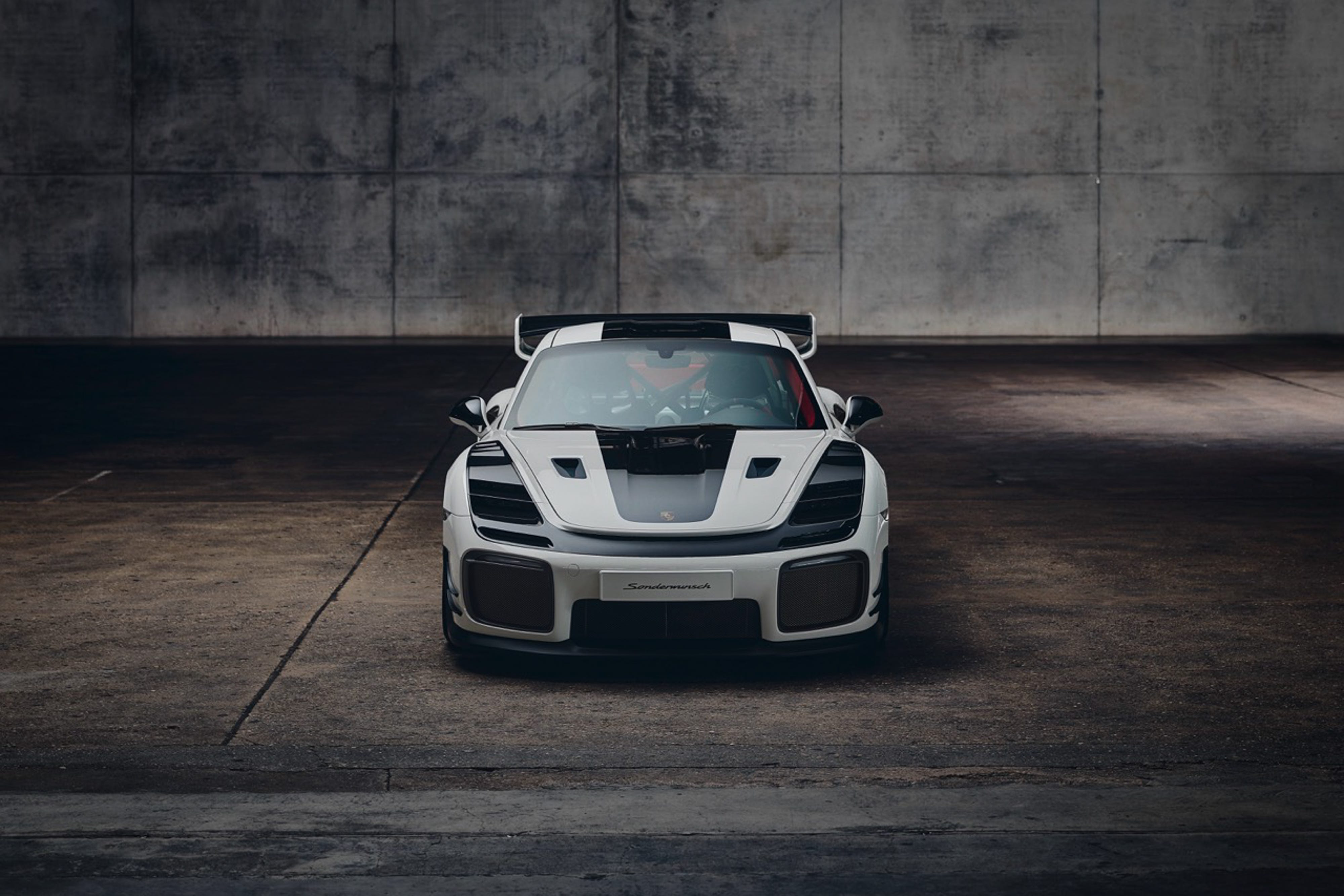
The headline product is a mid-engine super sports car positioned above the 911. Porsche plans to reveal the Mission S concept on October 15. If it reaches production, it would become the brand’s new flagship and its first mid-engine supercar since the 918 Spyder ended its run more than a decade ago.
No powertrain details yet, but Porsche has been teasing this direction for years, most recently with the Mission X concept. The timing is not coincidental. Audi already has the Nuvolari, a 1,001-hp mid-engine hybrid built on Lamborghini Temerario architecture, heading for a 499-unit production run in 2027.
Porsche needs its own halo car that isn’t the 911, if only because the 911 can’t carry the emotional weight of a brand this large forever.
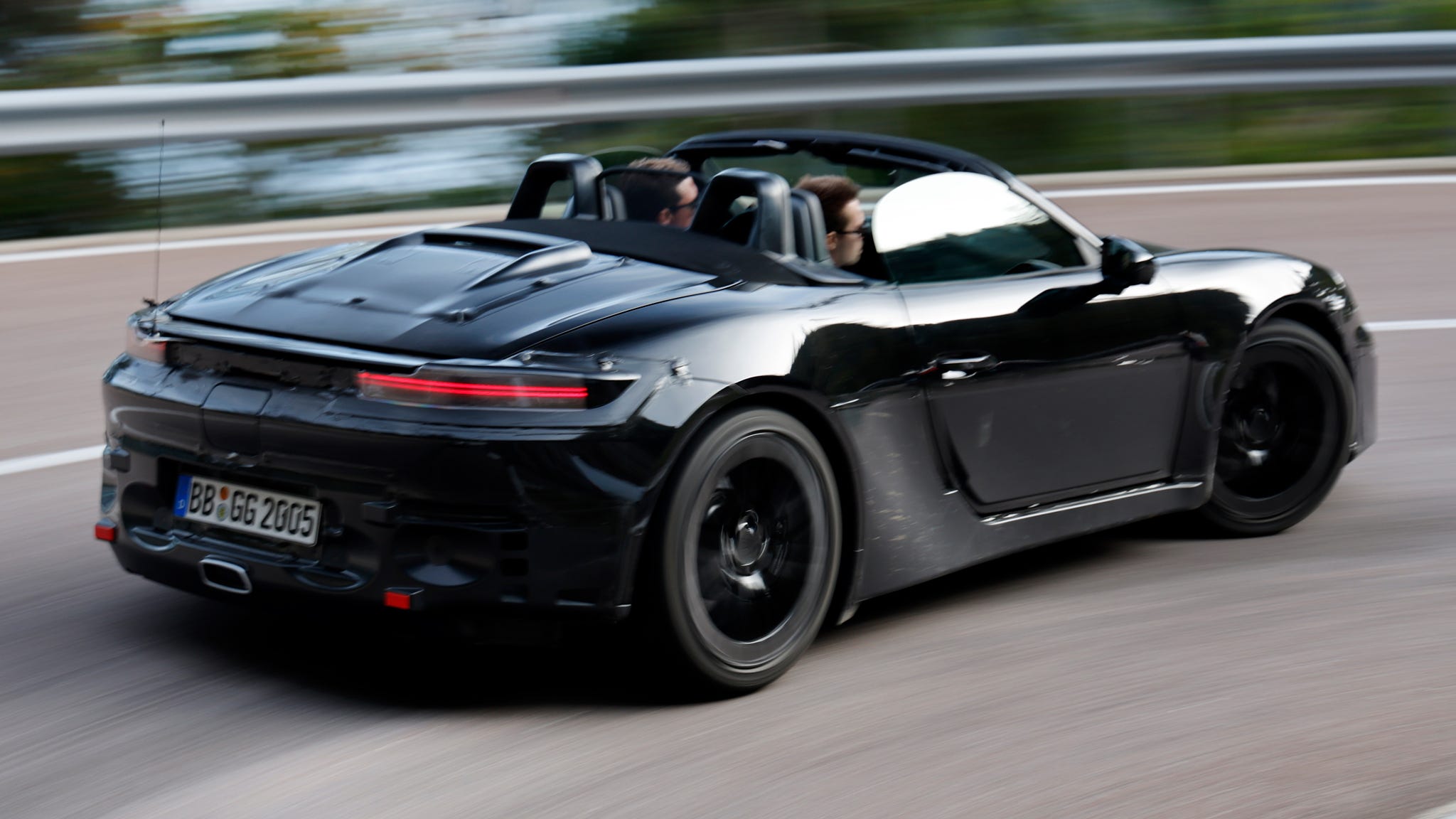
Meanwhile, the electric 718 Boxster and Cayman are finally arriving next year after supplier problems forced a delay. They ride on Porsche’s E-Core platform and will incorporate the 800-volt electrical architecture from the Rivian joint venture. Where the cars get built is still undecided, with financials calling the shots between European plant options.
But the most telling move is bringing back a gasoline-powered Macan. Porsche bet heavily on making the Macan all-electric. That bet went sideways.
The company is now reversing course, a correction that cost real money and real credibility with customers who were told the combustion Macan was dead.
China sits at the center of the damage. The market that once swallowed Porsches by the tens of thousands has collapsed into what Porsche describes as a self-destroying price war and innovation cycle that is not sustainable. The brand is not waiting for a recovery.
Europe and North America are each targeted for 35 percent share growth, a pivot that acknowledges China may not come back. At least not for a brand that sells on exclusivity rather than price.
Parent Volkswagen Group is in its own pain. The group expects a 1 percent margin in 2026 after absorbing $11.5 billion in charges, including worker buyouts, China losses, and a $6.9 billion write-down on its 75 percent Porsche stake. That write-down is a brutal public admission that the IPO valuation was built on assumptions that no longer hold.
Porsche says it will launch at least one new vehicle per year. More 911 derivatives are coming. Larger SUVs are in the pipeline.
The strategy is clear enough on paper: more products that command high prices, fewer that dilute the brand, and a cost structure that stops bleeding cash.
The question is whether a company that misjudged electrification, misjudged China, and misjudged how long combustion customers would wait has enough runway to execute before the next crisis arrives. Leiters has the plan. What he doesn’t have is time.
Share this Story