


Rivian delivered 19,248 vehicles last quarter. Tesla moved 486,532, beating Wall Street estimates by more than 22,000 units. On paper, it looks like the electric vehicle market in the United States is finding its footing again.
Look closer and the picture fractures.
The loss of the $7,500 federal EV tax credit last September gutted demand across most of the market. What appears to be a recovery is really two companies catching tailwinds while the rest of the industry watches sales collapse in slow motion.
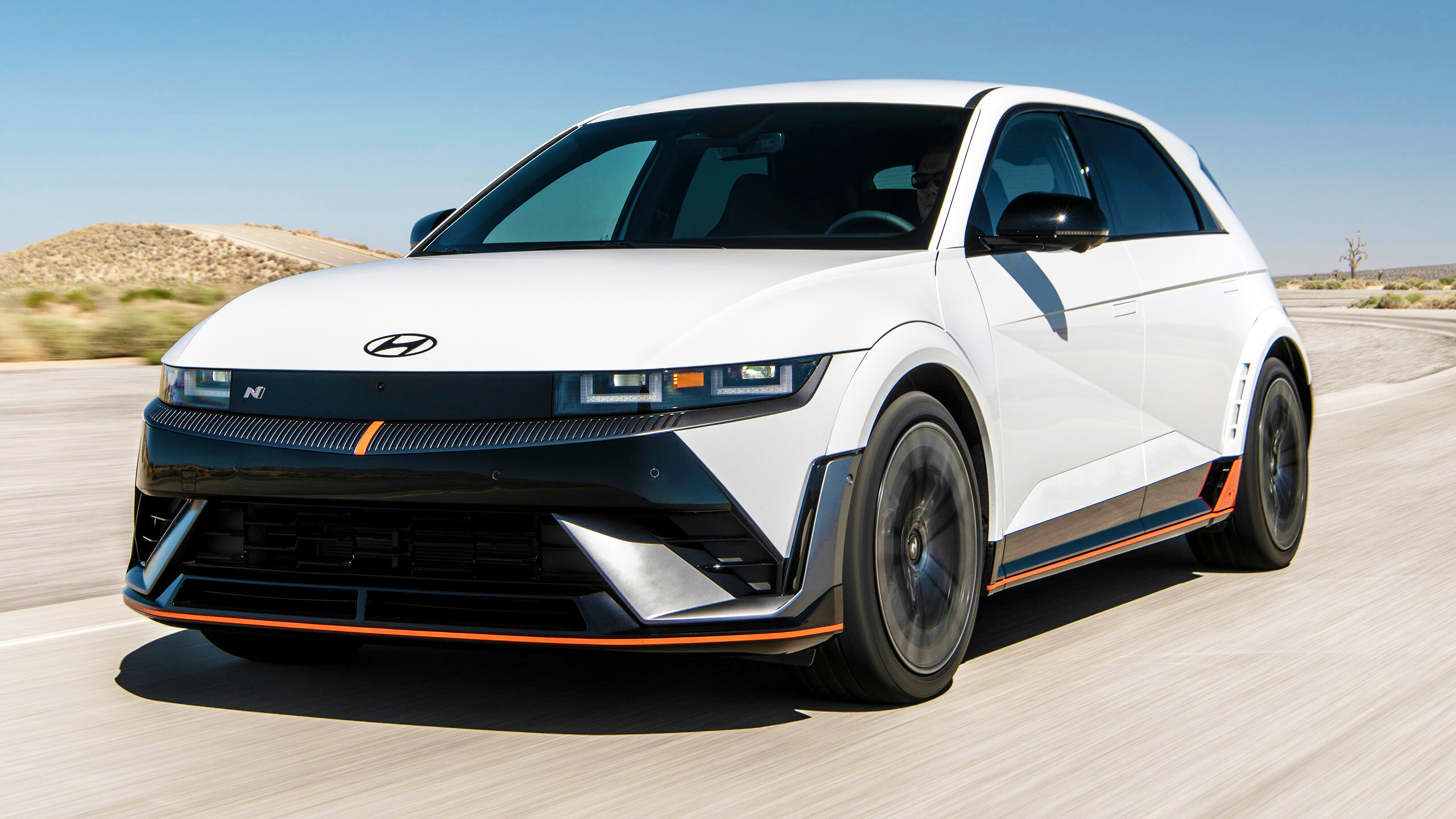
Hyundai sold 2,928 Ioniq 5s in September, a 65 percent drop from the 8,408 it moved in the same month a year ago. Year-to-date Ioniq 5 sales sit at 31,112, down 53 percent. The Ioniq 9 managed just 374 units in September, also off 65 percent.
Hyundai’s North American boss Randy Parker says dealers are asking for more EVs because gas prices are high. The sales numbers say those dealers are not actually selling many.
GM’s third quarter was worse. Every electric vehicle across Cadillac, Chevrolet, GMC, and Buick posted a decline. The Cadillac Lyriq fell 50.2 percent. The Chevrolet Blazer EV cratered 84.4 percent.
The Equinox EV, once positioned as GM’s affordable EV champion, dropped 92.4 percent compared to the prior year. Those are not soft patches. Those are cliff edges.
TD Cowen analyst Itay Michaeli told Bloomberg that the U.S. is “still in the early stages of this looming EV comeback,” pointing to expanding model coverage and the growing appeal of advanced autonomous driving features. He expects demand to rise over the next couple of years as new EVs hit the market.
That thesis rests on two assumptions. First, that gas prices stay elevated long enough to change buying habits. The Iran conflict has pushed pump prices up, and that pain does nudge some buyers toward plug-in alternatives.
But gas price spikes are temporary by nature. They create urgency, not loyalty.
Second, Michaeli believes autonomous driving tech will draw new buyers to EVs. Tesla’s Full Self-Driving suite is the most visible example, and it likely helped pull some of those 486,532 deliveries across the line. Whether GM’s Super Cruise or Hyundai’s Highway Driving Pilot can do the same for their struggling lineups remains an open question.
Rivian’s strong quarter had less to do with gas prices or autonomy and more to do with the R2. A lower price point brought new customers into the brand. That is the oldest trick in the auto business, and it works regardless of what fuel costs.
The real tension here is that two companies are winning for specific, company-level reasons while the broader EV market continues to bleed. Tesla has brand gravity and tech cachet. Rivian launched a new, cheaper product.
Everyone else lost a $7,500 price advantage overnight and has not figured out how to replace it.
High gas prices may provide temporary cover. But a 92 percent sales decline on the Equinox EV does not reverse because regular unleaded hits $4.50 a gallon. GM, Hyundai, and others need something more structural than a geopolitical fuel spike to dig out of this hole.
Dealers asking for EVs and dealers selling EVs are two very different things.

Share this Story