
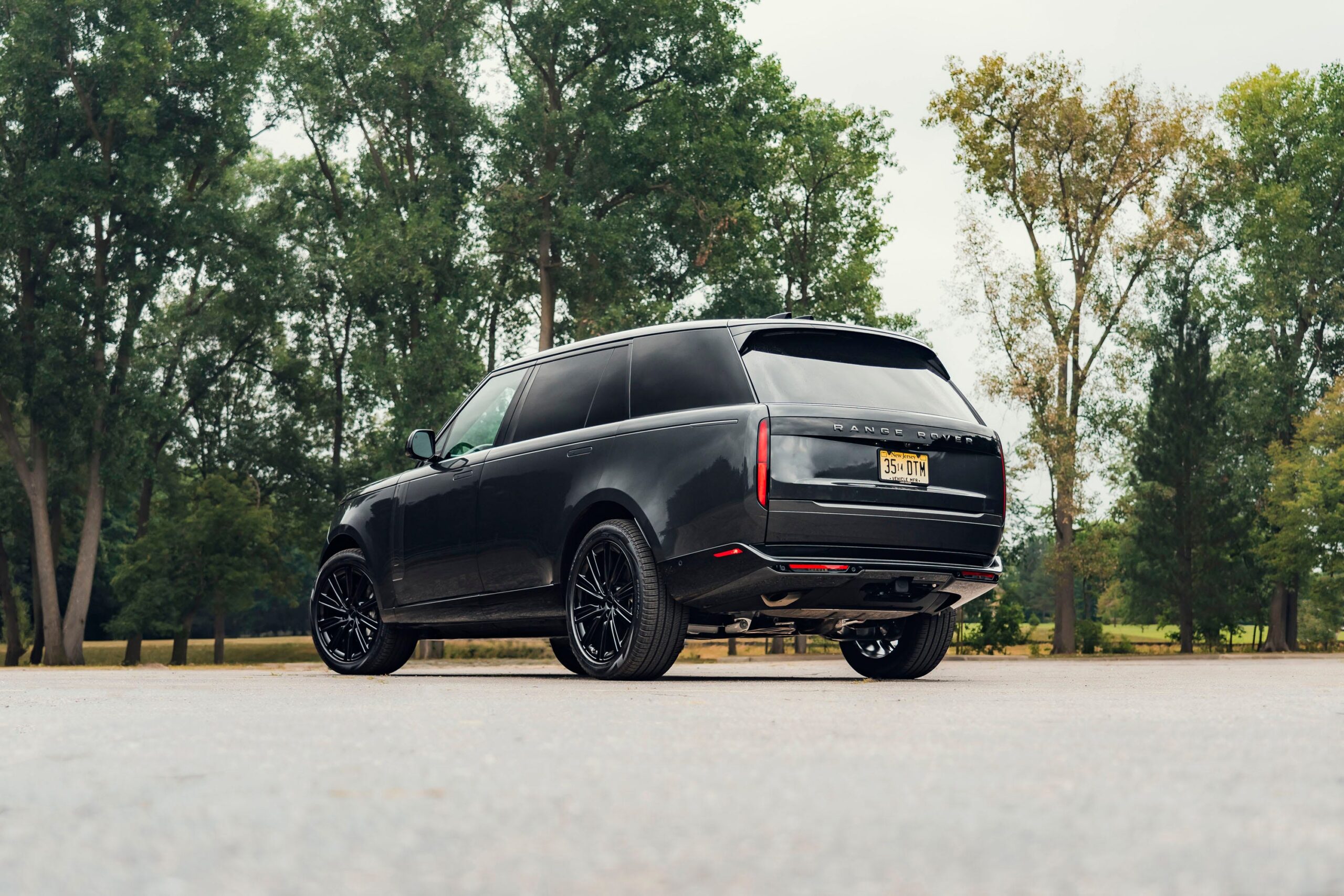


Land Rover is recalling 93,997 Range Rover SUVs because the tailgate drainage system can’t do what a drainage system is supposed to do: drain water.
The recall covers 2022 through 2026 model years, spanning every powertrain option. Every one of these vehicles rolled out of the Solihull plant in the U.K. between July 2021 and June 2026. That is five years of production before the problem got flagged.
The issue is moisture pooling around the rearview camera mounted in the tailgate. The water management system in that area doesn’t evacuate water well enough, according to documents filed with the National Highway Traffic Safety Administration. Over time, the buildup corrodes or damages the camera, producing a distorted image on the touchscreen when reversing. In some cases, the screen goes completely black.
Either failure increases the risk of a collision when backing up, which is exactly the scenario federal regulations mandated rearview cameras to prevent in the first place.
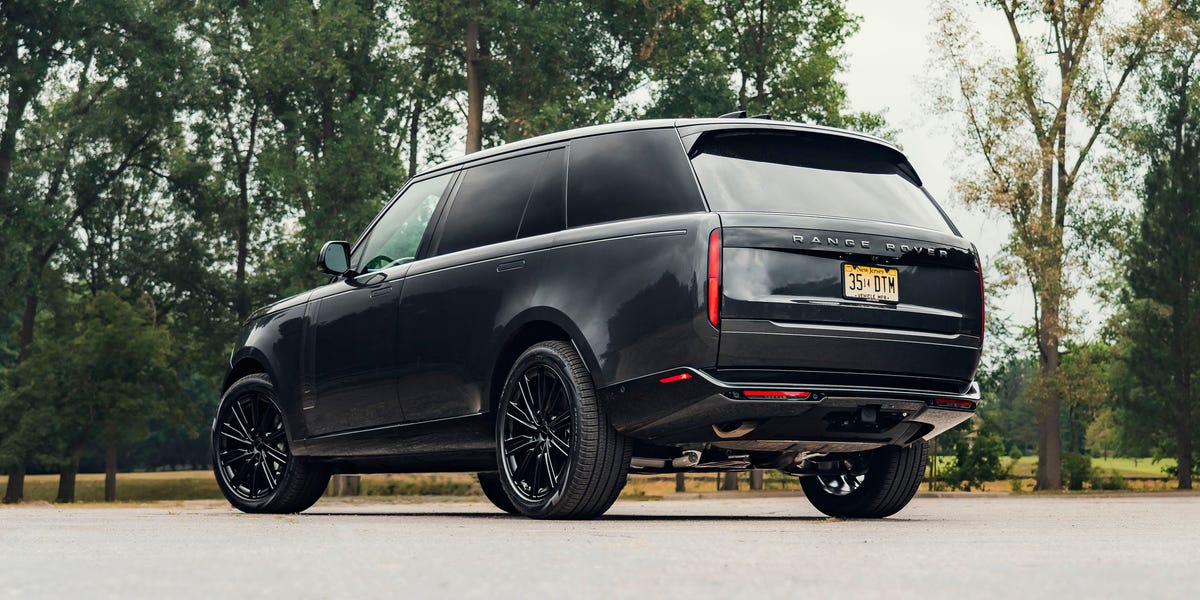
The fix tells you everything you need to know about how this happened. Land Rover dealerships will drill additional drain holes into the underside of the tailgate trim that houses the camera. That’s the remedy. Holes that should have been there from the factory.
Any camera already damaged by water intrusion will be inspected and replaced. All of it at no cost to owners. Dealerships get their notice on October 29, and owners should expect letters by December 11.
This is a vehicle that starts north of $100,000. The flagship of JLR’s lineup. And the engineering oversight amounts to insufficient drainage holes in a piece of trim.
Water finds its way into every vehicle eventually. Designing around that reality is not advanced engineering. It is basic competence.
Land Rover is not alone in this particular embarrassment. Honda recalled 325,588 Odyssey minivans in July for a strikingly similar failure, water corroding the rearview camera’s circuit board. That was Honda’s second pass at the problem, following a 2020 recall where moisture entered the camera mounting holes.
Two automakers, same fundamental mistake, years apart.
Rearview cameras became mandatory in all new U.S. vehicles starting with the 2019 model year. The regulation was a long-fought safety win, driven by the very real danger of backover accidents. When those cameras fail, the safety benefit disappears, and drivers who have grown to rely on them may be worse off than if the camera had never been there.
JLR has had a busy recall season. The company recently pulled back 24,000 vehicles over a power converter issue, a separate problem on a separate platform. The Range Rover recall dwarfs that one in sheer numbers and spans a wider production window.
Nearly 94,000 owners are now waiting for a dealership appointment to have holes drilled into their six-figure SUVs. The letters haven’t even gone out yet.
Share this Story