
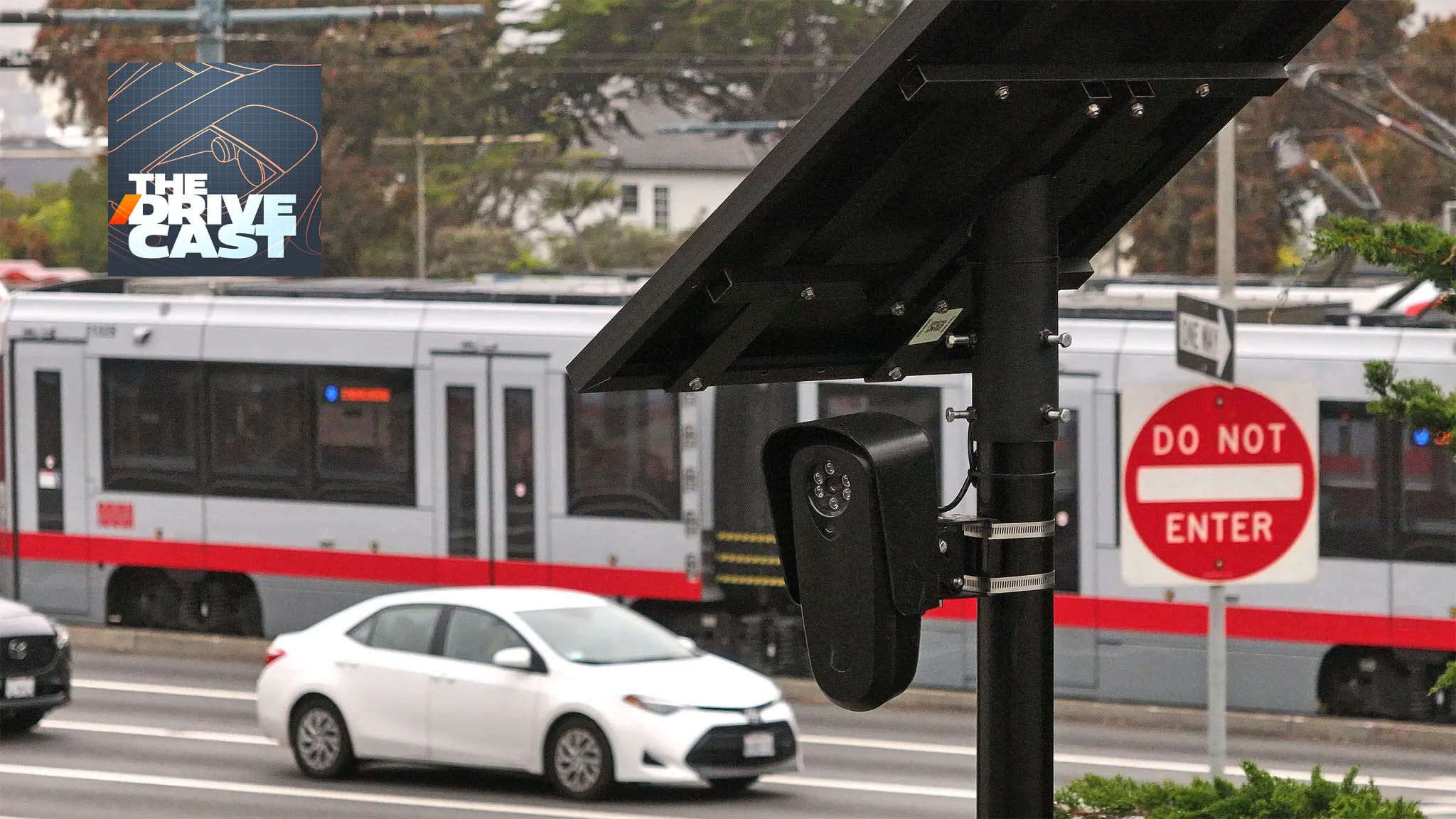


Leonardo, the Italian defense contractor, has already begun deploying a surveillance technology called SignalTrace that turns ordinary license plate reader cameras into something far more invasive. The system scrapes electronic hardware codes from every smart device in or near your vehicle — phones, smartwatches, smart rings, AirTags, pet microchips, even tire pressure monitoring sensors — and packages it all into a tidy digital fingerprint for law enforcement.
No warrant required. No opt-out available.
The technology is already being marketed to police departments, border security agencies, and other government entities across the United States. And cops are already getting caught using license plate reader infrastructure to stalk people, according to reporting by The Drive, which broke the story wide open last week.
Leonardo’s own literature offers a carefully worded disclaimer: “Signal Trace captures only publicly broadcast device frequency activity. It does not decrypt or store any content from devices or communications.” The company frames it as passive collection, like photographing a license plate. Just picking up what your gadgets are already shouting into the air.
That framing is doing a lot of heavy lifting. Security expert Matt Hurewitz, currently CISO at Ent.AI, put it bluntly on The Drive’s podcast: the claim about not decrypting anything is “technically correct,” but that doesn’t make the practice any less invasive. Encryption stops one specific thing. It doesn’t address the fundamental creepiness of a roadside sensor cataloging every electronic device on your person and tying it to your vehicle, your route, and your life.
The real problem is that every person’s combination of devices is unique. Your iPhone model, your particular smartwatch, your Bluetooth earbuds, your car’s 5G modem, your dog’s microchip — stitched together, they form a digital fingerprint as distinctive as DNA. Track that fingerprint across enough cameras on enough roads over enough days, and you have a map of someone’s movements, habits, and associations.
Hurewitz pointed out that most consumers clicked “accept” on their device terms thinking about FaceTime calls and Spotify playlists, not about roadside government surveillance. The protocols that let your phone discover a Wi-Fi network at the airport or your AirTag locate a lost wallet are constantly broadcasting identifiers. Those same broadcasts are now being harvested by cameras bolted to telephone poles.
And here’s the gut punch: there is no meaningful way to disconnect. Your tire pressure sensors broadcast. Your car’s infotainment system broadcasts. Your phone broadcasts even when you think it’s idle. Short of wrapping yourself in a Faraday cage and driving a 1987 pickup truck, you’re exposed.
The law, predictably, hasn’t caught up. Hurewitz noted there are likely Fourth Amendment questions that need navigating — extracting device data from inside a person’s vehicle without a warrant feels like it should trigger constitutional scrutiny — but no court has ruled on it yet. The technology shipped faster than any legislature could respond.
“I think if you wait long enough there will be examples that affect people in a very real way, and that will cause a conversation to happen,” Hurewitz said. That’s the pattern with surveillance technology in America. It proliferates in silence, gets abused in the dark, and only faces public reckoning after the damage is done.
Pandora’s box is the right metaphor, but it undersells the scale. Pandora only opened one box. Americans are carrying five or six broadcasting devices on their bodies every single day, each one a beacon, each one now potentially feeding a government surveillance apparatus that didn’t exist two years ago. The infrastructure is live. The guardrails are not.






Share this Story