
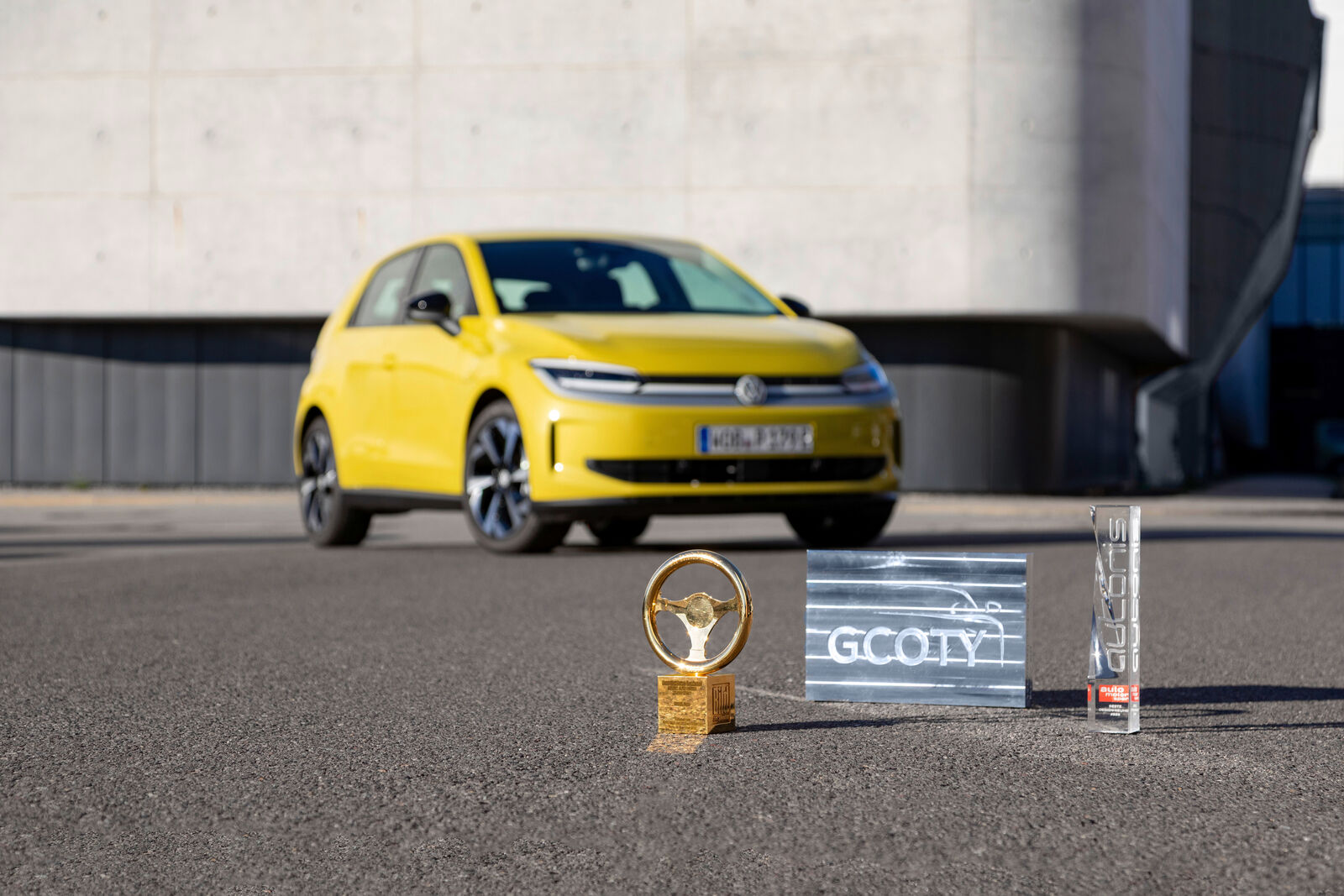


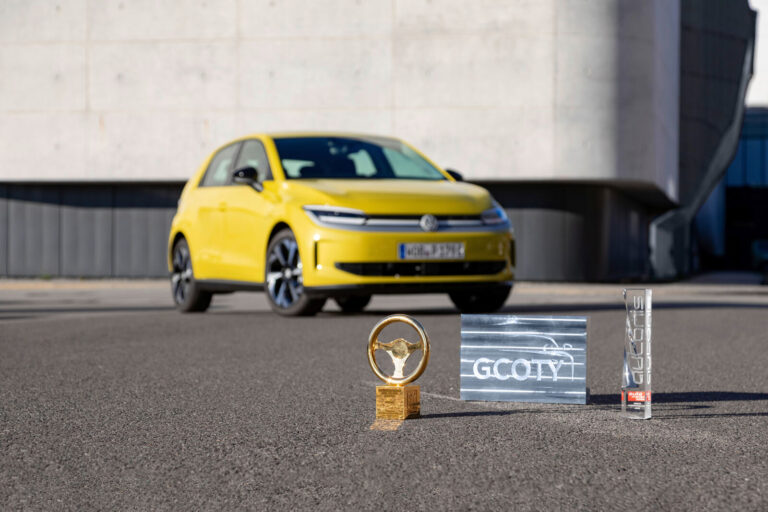
Three trophies in a few weeks. Volkswagen’s ID. Polo picked up the Golden Steering Wheel 2026 on Tuesday evening. That adds to a German Car of the Year 2027 title and an Autonis design win already sitting on the shelf.
The common thread running through all of them is a number: 24,995 euros.
That is the German starting price of the all-electric ID. Polo. It is also the figure that unlocked two of these awards, because both the Golden Steering Wheel category and the German Car of the Year class it won were built around cars costing less than 25,000 euros.
AUTO BILD and BILD am SONNTAG handed it the Golden Steering Wheel for Best car under 25,000 euros. The judges singled out one thing above the rest. Volkswagen is bringing electric mobility into a price class that many drivers can afford.
Read that again. In 2026, putting a battery car within reach of ordinary buyers is enough to win a trophy.
Thomas Schäfer, who runs the Volkswagen brand and the Group’s Brand Group Core, accepted the award. What he said told you more than any spec sheet.
“Customers, readers and experts confirm exactly what we wanted to achieve with this car, namely building true Volkswagen cars once more,” he said. “Affordable, high-quality, suitable for everyday use and easy to operate.”
Once more. That is the CEO of Volkswagen, on the record, describing the company’s mission as getting back to what it used to be.
The German Car of the Year win carries more weight than a magazine editorial prize. The ID. Polo first took the Budget car category, then went through two days of testing against four other class winners. A jury of 47 German and international motoring journalists picked it as the outright winner.
A small, cheap hatchback beat the more expensive class champions. That is not how these things usually go.
The design vote came from readers rather than critics. In the Autonis poll run by auto motor und sport, the ID. Polo finished first among small cars. Volkswagen says it is the first award for its new Pure Positive design language, which the company calls clear-cut and likeable.
The T-Roc and the Multivan also won their Autonis categories, so Wolfsburg had a good week at the ballot box.
The hardware is simple enough. Up to 454 kilometres of range. Up to 1,240 litres of luggage space with the rear seats folded.
The 155 kW version is rated at 14.7 to 13.4 kWh per 100 km combined. Nothing exotic. Volkswagen built a practical small car, priced it like a small car, and the German establishment lined up to applaud.
The tougher test is still ahead. The ID. Polo is one of seven finalists for European Car of the Year 2027. For the first time in the award’s history, every single finalist is fully electric.
That changes the math. At home, the ID. Polo won partly because affordable EVs are still rare enough to stand out. In Brussels it faces a shortlist where electric is the baseline, not the selling point.
Domestic juries rewarding a German brand for a German car is one thing. A pan-European panel weighing it against a field of battery-powered rivals is another.
The international jury still has test drives and a final evaluation to complete. The winner will be named on 8 January 2027 at the Brussels Motor Show.

Share this Story