


The last real land yacht rolled off an American assembly line sometime in the early 1990s, and the industry has spent three decades trying to pretend SUVs are an adequate replacement. They are not.
Jalopnik posed the question to its readers this week: which was the greatest land yacht ever sold in the United States? The answers will predictably skew toward the usual suspects — mid-1970s Cadillac DeVilles, Lincoln Continentals with suicide doors, the occasional Imperial. But the question itself reveals something the industry would rather not discuss.
The full-size American luxury sedan, the kind with a hood measured in area codes and a trunk that could swallow a set of golf clubs without anyone noticing, has no spiritual successor. Not really.
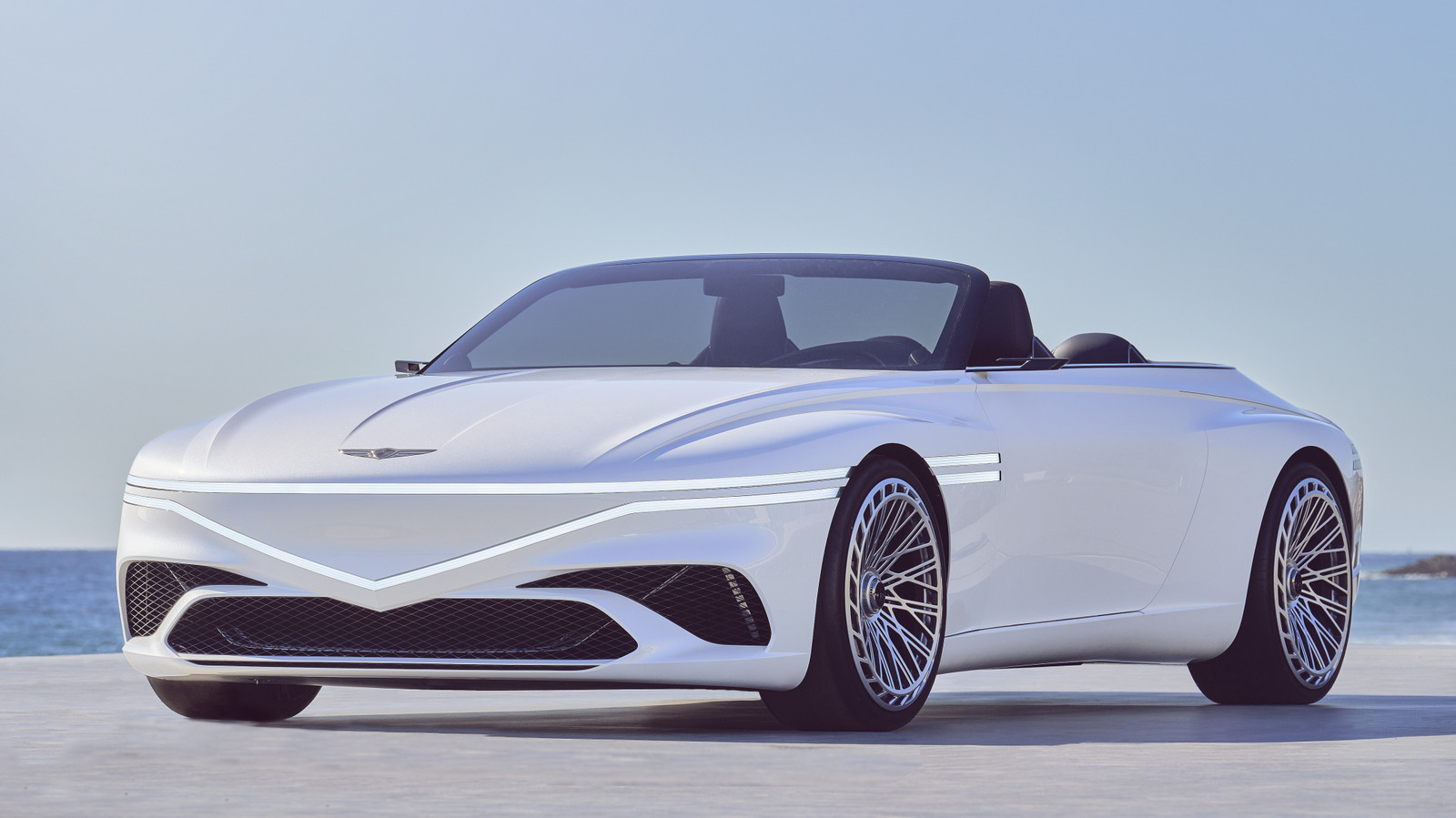
Yes, Genesis is reportedly eyeing something large and opulent. The Cadillac Celestiq exists at $340,000 and change, hand-built in quantities so small they barely register as production vehicles. But these are curiosities, not categories. The land yacht was once the default shape of American ambition. Now it’s a novelty.
The SUV killed it, obviously. So did fuel economy regulations, changing tastes, and the simple reality that a 5,000-pound sedan riding on marshmallow springs and powered by a big-block V8 through a three-speed automatic was never going to survive contact with $4 gasoline. The 1973 oil embargo started the bleeding. CAFE standards in 1978 accelerated it. By the time GM downsized its full-size fleet, the golden era was functionally over.
What replaced the land yacht was taller, heavier, and somehow less comfortable. A 2025 Escalade weighs north of 5,800 pounds, rides on adaptive air suspension, and costs six figures before you start ticking options. It is luxurious. It is enormous. It is not a land yacht.
A land yacht required commitment to a specific philosophy: comfort above all, visibility be damned, and absolutely zero pretense of athletic intent. The 1975 Cadillac Coupe DeVille was 18.7 feet long and made 190 horsepower. It wasn’t fast. It wasn’t nimble. It floated. That was the entire point.
The Europeans tried their version — the Mercedes 600 Grosser, the Rolls-Royce Silver Shadow — but they always smuggled in too much competence. A proper land yacht should feel like piloting a living room down the interstate. The moment you can feel the road surface, you’ve failed.
Modern luxury sedans can’t help themselves. The BMW 7 Series wants to be sporty. The Mercedes S-Class wants to be technological. Even the Rolls-Royce Ghost, perhaps the closest living relative, weighs its steering too precisely and controls its body too carefully. Engineers in 2026 are constitutionally incapable of leaving well enough alone.
The truck-based SUV absorbed the land yacht’s customer base without absorbing its soul. A Yukon Denali owner sits high, commands the road, and enjoys buttery leather. But there’s no mile of hood stretching toward the horizon, no sense that the vehicle exists purely to insulate its occupants from the unpleasantness of actually traveling somewhere.
Genesis could build something interesting. Cadillac proved with the Celestiq that the silhouette still works. But building a proper land yacht in 2026 would require an automaker to deliberately reject efficiency, agility, and every performance metric that earns praise in comparison tests. It would require building a car that is, by every modern measure, worse — and marketing that as the point.
No one has the nerve. The land yacht isn’t coming back because the industry that built it no longer understands why anyone would want one.


Share this Story