
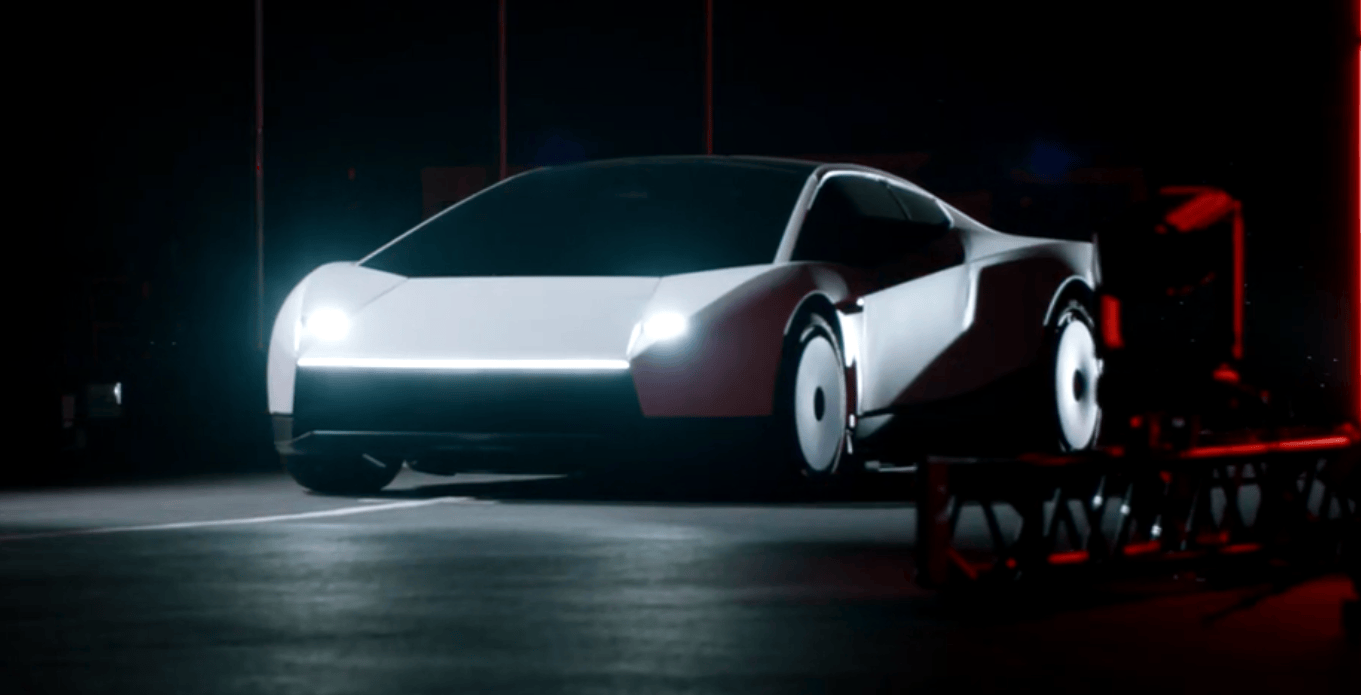


Tesla threw itself a party Thursday night, unveiling the second-generation Roadster for the second time in a decade. The company is once again asking customers for up to $250,000 in reservation deposits. And once again, it is making no promises that anyone will actually receive a car.
Buried in the reservation agreement on Tesla’s website is a sentence that should stop any prospective buyer cold: “Roadster is still under development and so we cannot guarantee when your vehicle will actually be delivered or if it will be delivered.” That is Tesla’s own language, not a critic’s interpretation.
The original Roadster reveal happened in 2017. Deposits poured in. Years passed. No car materialized. Now Tesla is running the same playbook with a fresh coat of paint, collecting six-figure sums for what amounts to an approximate place in a line that may never move.
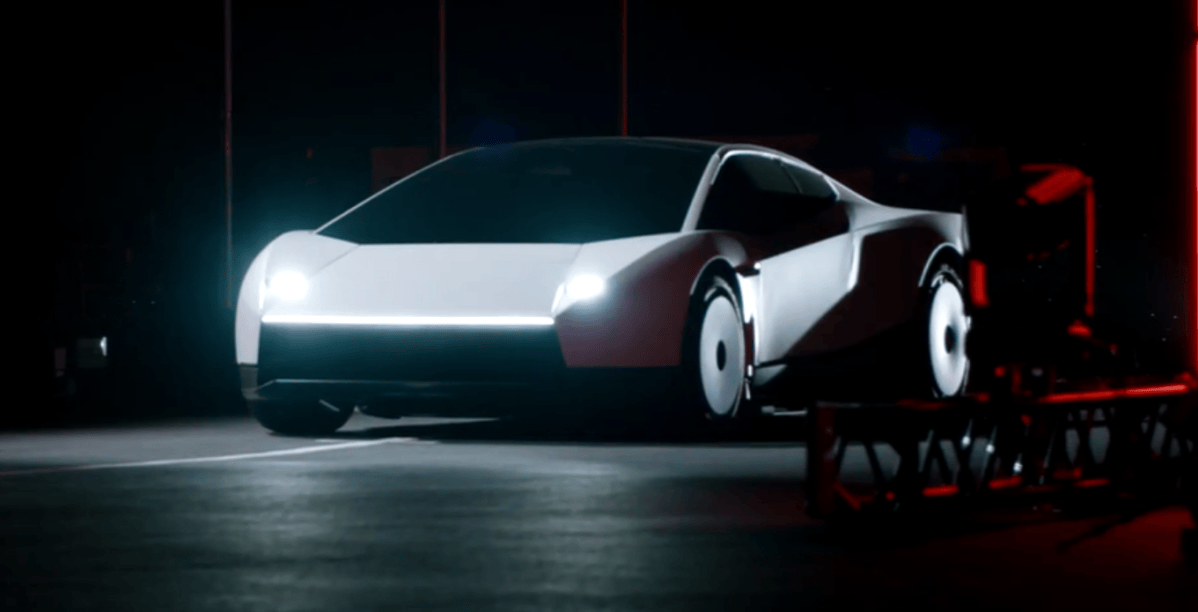
The reservation agreement makes clear that even the purchase price is just an estimate. Tesla says it is “still working on what options, features, and hardware will have and so cannot confirm the exact price just yet.” Customers handing over a quarter of a million dollars are buying a maybe, at a price to be determined, for a car that may or may not exist, with specs that could change before production.
Tesla currently estimates production will begin in 2028. The company’s history with timelines is well documented. The Cybertruck arrived years late, the Semi took six years past its original target, and the previous Roadster never arrived at all.
CEO Elon Musk is promising zero to 60 mph in 0.81 seconds and built-in rocket thrusters, claims so extreme they strain credulity even by supercar standards. No production vehicle has ever come close to that acceleration figure. SpaceX-derived cold gas thrusters on a street car remain, for now, a concept that exists only in Musk’s presentations.
There are small mercies in the fine print. Reservations are fully refundable, which is worth remembering given that previous Roadster depositors waited years with nothing to show for it. Tesla also chose not to include a no-resale clause, a restriction it imposed on Cybertruck Foundation Series and Model S Signature Edition buyers, so anyone who does eventually take delivery can sell immediately without fear of corporate retaliation.
The pattern here is difficult to ignore. Tesla dangles an aspirational product, collects large sums of money, and shields itself with legal language that amounts to a corporate shrug. The reservation is non-transferable, the specs are fluid, the timeline is wishful thinking, and the only firm commitment Tesla makes is that it will hold your cash.
Some of that money came from Founders Series buyers who paid $250,000 for the first version of this car. Many of those depositors have been waiting since 2017. Whether they rolled their money into the new reservation or simply gave up is a question Tesla has not addressed.
The company is selling optimism at a premium, backed by a track record that argues for skepticism. Refundable deposits offer an exit. The question is how many buyers will need one, and when they’ll finally decide to use it.
Share this Story