
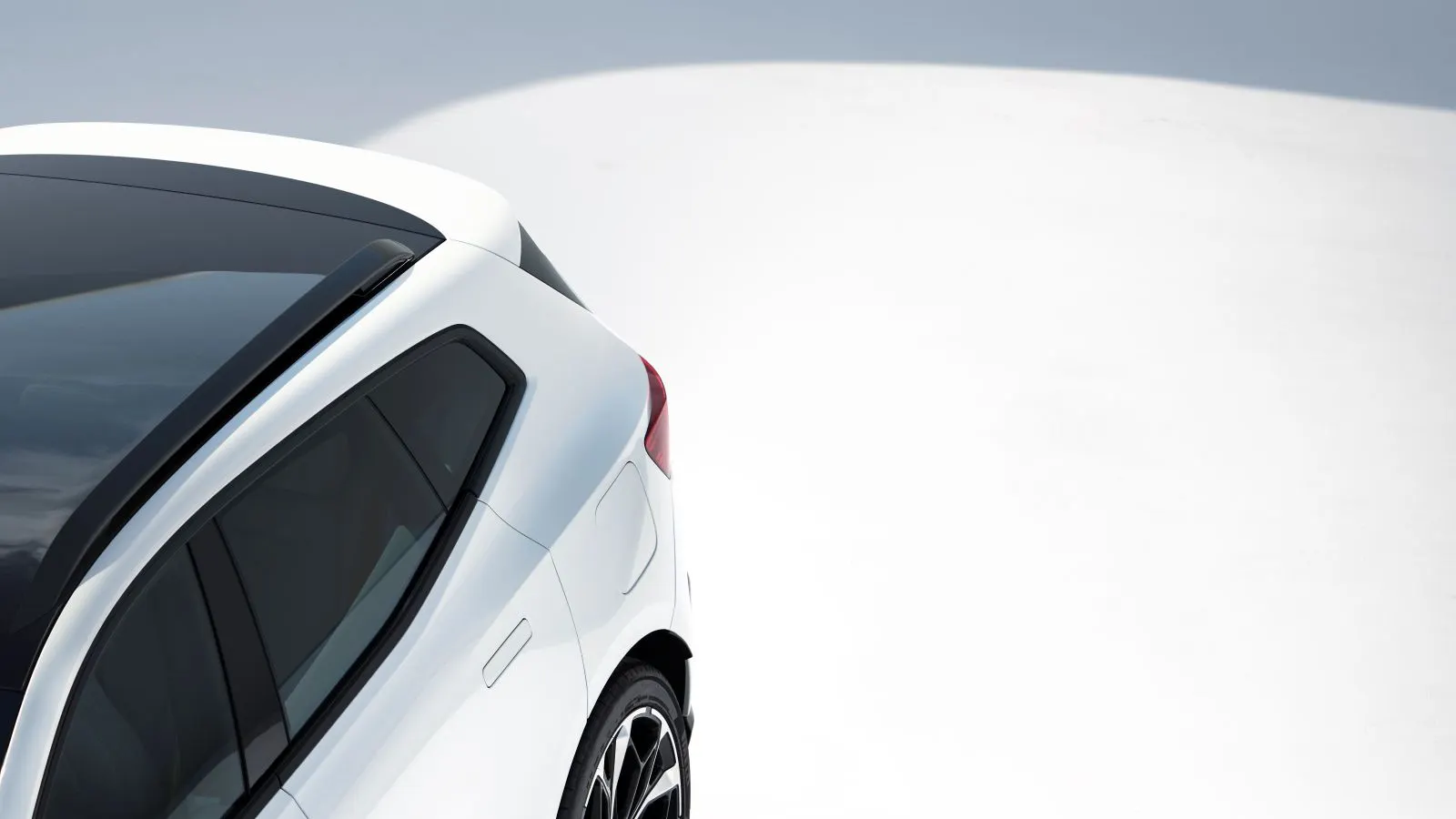


Polestar will begin selling an upright SUV variant of its Polestar 4 in European and Asian markets on September 2, expanding its lineup at the exact moment it’s been locked out of the world’s most profitable EV market.
The timing is brutal. Barely two weeks before the July 7 announcement, the U.S. Department of Commerce slapped a sales ban on Polestar vehicles over connected vehicle technology linked to China. American customers who might have wanted the new SUV, or any Polestar for that matter, are out of luck.
Polestar’s parent, Geely, owns Volvo Cars too. Volvo got a pass from Commerce in May. Polestar did not. Same corporate family, different outcomes. That distinction tells you everything about how Washington is drawing its lines on Chinese-linked automotive technology, and how thin those lines can be.
The Polestar 4 SUV itself is a more conventional take on the polarizing Polestar 4 coupé, which famously shipped without a rear window. The SUV version gets a more upright rear end and, by all appearances, an actual piece of glass where most people expect one. Call it a concession to normalcy.
Both the SUV and a refreshed coupé ride on Polestar’s 400-volt architecture. Rear-wheel-drive versions claim up to 391 miles of range on Europe’s WLTP cycle. Dual-motor variants punch out 544 horsepower. The chassis has been retuned on both models, which Polestar says sharpens the sporty driving character.
Manufacturing happens in Busan, South Korea, not China. That detail matters enormously right now. A Korean-built car from a Swedish brand majority-owned by a Chinese conglomerate, banned from the U.S. over its software connections to Beijing. The supply chain politics of modern EVs don’t get much more tangled than this.
CEO Michael Lohscheller struck an upbeat tone in the company’s statement, calling the SUV “a car I’ve been looking forward to sharing with the world.” The world, minus 330 million potential American customers.
Polestar had been building momentum. In February, it secured $400 million in funding after what the company called a record sales year. The brand was finally finding its footing after years of stumbles on delivery targets and profitability questions. Then the Commerce Department pulled the rug.
Pricing for the Polestar 4 SUV hasn’t been announced. The company says it will be available to order in “a majority of Polestar markets,” language that carefully sidesteps the American-sized hole in its global footprint.
Europe and Asia will have to carry the weight. The SUV body style should help, since upright crossovers sell in volumes that fastback coupés simply don’t, regardless of how striking the design. Polestar clearly knows this, which is why the SUV exists in the first place.
But volume is precisely what Polestar needs most, and losing the U.S. market guts its growth story at the worst possible moment. You can build a compelling car, tune the chassis, claim impressive range numbers, and still find yourself sidelined by forces that have nothing to do with the product itself.
Polestar is now a brand with a stronger lineup and a smaller addressable market. Whether the math still works is the only question that matters going forward.
Share this Story