
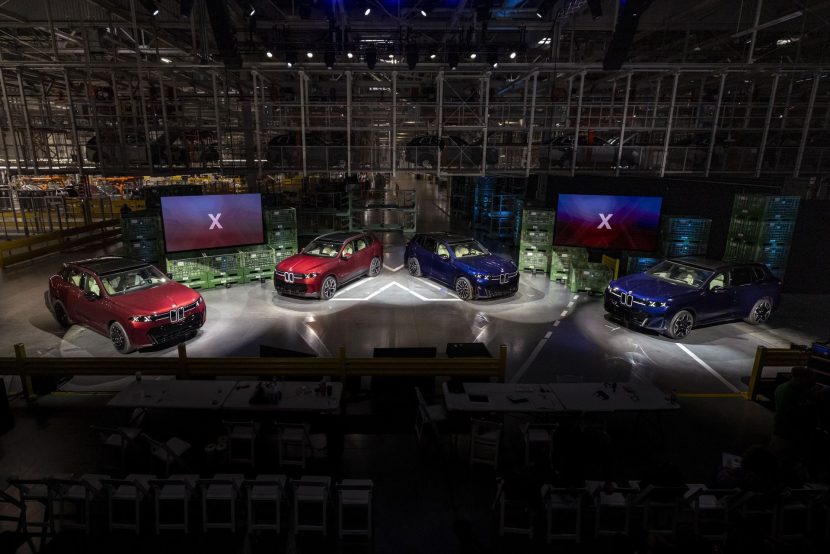


The number landed quietly during a roundtable with journalists after the new G65-generation BMW X5 debuted this week: 20 percent of X5s sold in the United States carry a charging port. One in five buyers of BMW’s best-selling SUV chose the plug-in hybrid. That’s a remarkable take rate for a powertrain many in the industry once dismissed as a transitional gimmick.
Philip Koehn, BMW’s Vehicle Line Director for Luxury Class, BMW ALPINA, and Rolls-Royce, confirmed the figure, calling plug-in hybrids a “great success” in the American market. BMW expects the next-generation X5 50e to sustain that momentum.
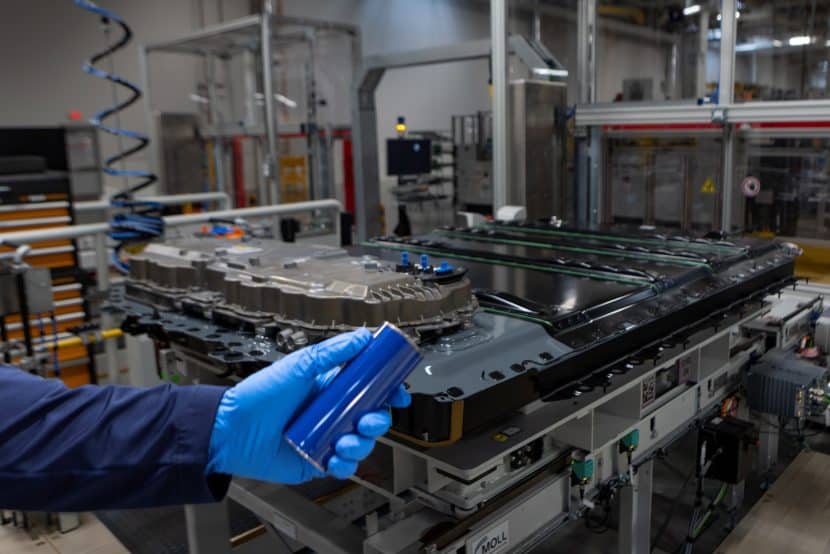
The new 2027 X5 50e xDrive promises 44 miles of electric-only range under EPA testing, a 15 percent improvement over the outgoing G05. Its 26.5-kWh battery with fifth-generation prismatic cells stretches to an estimated 63 miles on the European WLTP cycle. For a vehicle that weighs north of 5,000 pounds and parks in suburban driveways across America, 44 electric miles covers most daily driving without burning a drop of fuel.
Here’s the rub. For the first time ever, BMW is building two plug-in hybrid X5 variants, the 50e and the hotter M Performance M60e. But the United States, where the X5 is literally assembled at BMW’s Spartanburg plant, only gets the standard 50e.
The M60e stays in Europe and other markets. An SUV built in South Carolina, denied to South Carolina buyers in its most potent electrified form. That stings.
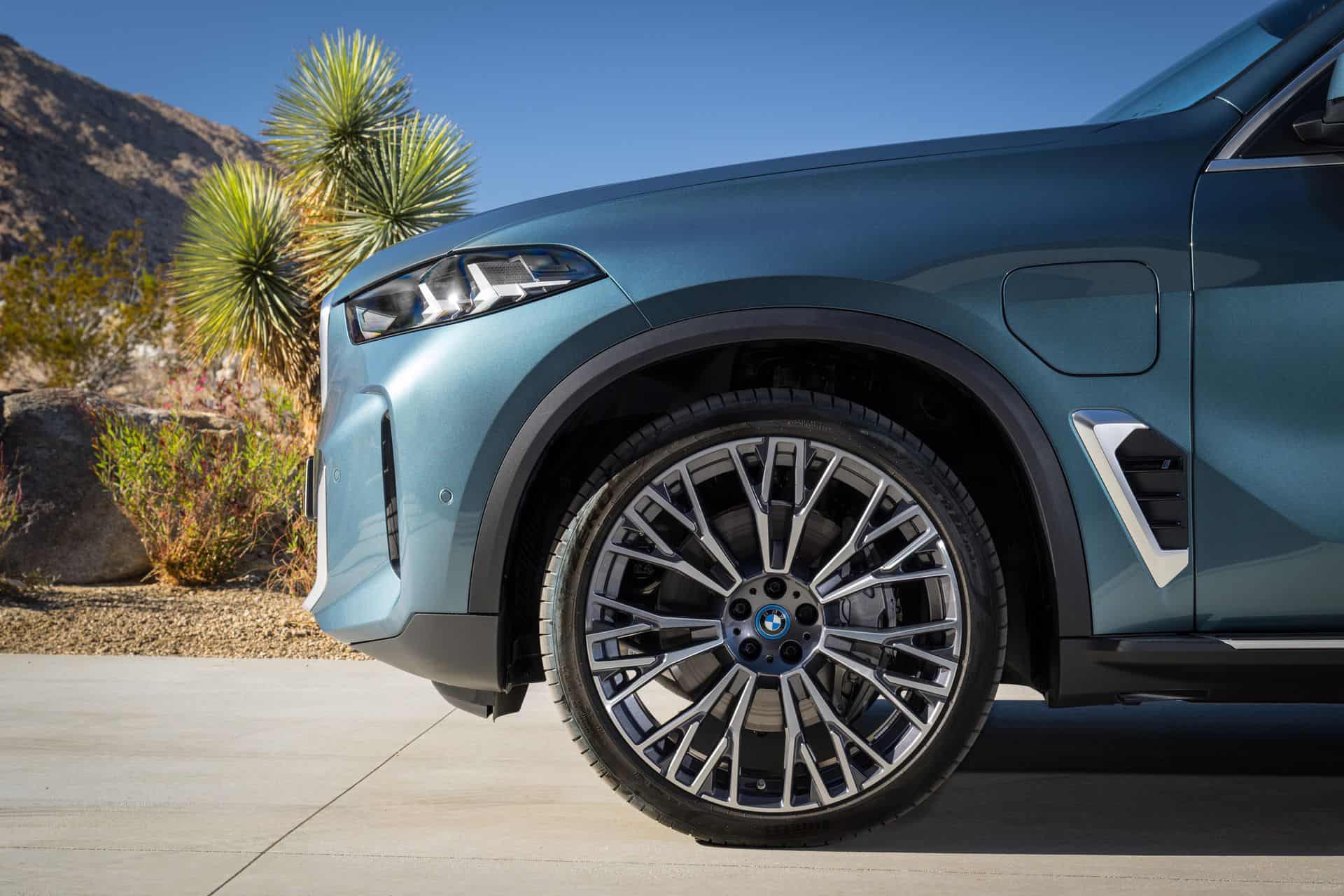
BMW didn’t elaborate on why America misses the M60e, but the pattern is familiar. Regulatory complexity, market segmentation math, and the ever-present calculus of what American buyers will actually pay for tend to drive these decisions. Still, when one in five X5 customers already wants a plug, shutting them out of the performance variant feels like leaving money on the assembly line.
The broader X5 electrification story gets more interesting when you look at the full lineup. The iX5 60 xDrive, the fully electric variant, adopts sixth-generation cylindrical cells with a 20 percent bump in energy density and charging speeds up to 460 kW. The plug-in hybrids, by contrast, top out at a modest 11 kW AC charging.
That gap will narrow. Logic dictates BMW will eventually pair its sixth-gen battery technology with PHEVs, pushing electric-only range well past the daily commute threshold for virtually any owner.
Journalists at the roundtable pressed BMW on whether it would revive the range-extending engine concept it pioneered in the i3 more than a decade ago. The company waved it off, calling its current plug-in hybrid lineup a “very convincing offer.” BMW said it is “absolutely happy” with where PHEVs stand today.
That confidence is earned, at least partially. A 20 percent take rate in America, a market that still gravitates heavily toward conventional powertrains, is not nothing. It suggests that when you pair electrification with a vehicle buyers already want, the sell gets easier.
Nobody is buying an X5 50e to save the planet. They’re buying it because 44 miles of silent, torque-rich driving makes the school run and the grocery haul better, and a six-cylinder engine is still there for the road trip.
The question BMW hasn’t answered is why it won’t let American buyers have the full menu. Building a car in Spartanburg while reserving the best electrified version for export is the kind of decision that reads like a spreadsheet won an argument it shouldn’t have.


Share this Story