
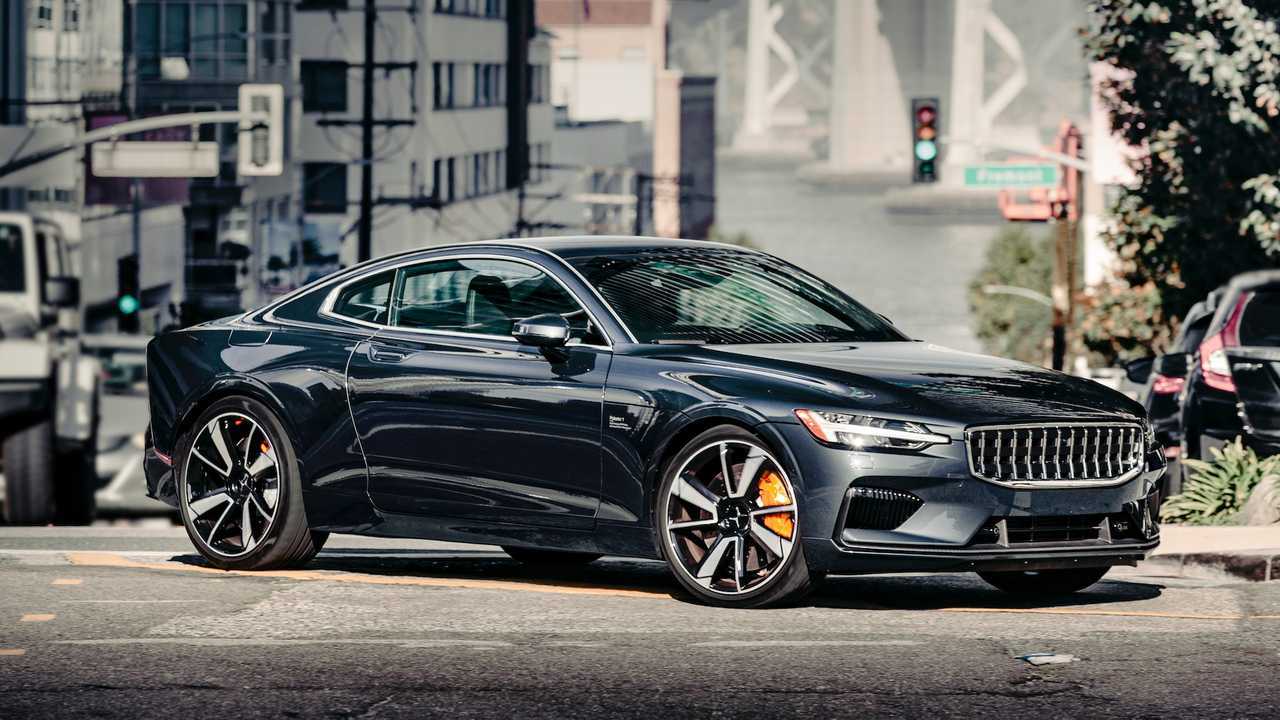


Two CEOs from opposite ends of the automotive spectrum just said the quiet part out loud about plug-in hybrids. Polestar’s Australian chief Scott Maynard called PHEVs “the worst of both worlds.” Renault CEO François Provost went further, labeling short-range plug-in hybrids “fake” electrification.
Maynard’s argument is mechanical. A PHEV carries the full complexity of a combustion engine alongside the engineering demands of an electric drivetrain. Two powertrains, two sets of compromises, neither operating at its best.
For a brand like Polestar, which has staked its identity on pure electric performance, the math doesn’t add up. You’re hauling around a gasoline engine you don’t need and a battery too small to do the job alone.
Provost’s critique cuts differently. The Renault boss isn’t anti-hybrid on principle — his company is actively developing range-extender technology. His target is the cynical breed of PHEV with electric ranges so short that owners never bother plugging them in.
That’s not a bridge to electrification. That’s a sticker on a window.
Real-world data backs them up. Studies have repeatedly shown PHEV drivers burning through up to three times more fuel than official test-cycle numbers suggest. The European Commission flagged this gap years ago.
Company-car fleets, where PHEVs spread thanks to tax incentives, became a particularly damning case study. Employees who never paid for their own fuel had zero incentive to charge. Those vehicles spent their entire lives running on gasoline while claiming electric credits on paper.
This is the uncomfortable truth regulators are finally catching up to. Emissions rules that once rewarded PHEVs with generous credits are tightening across Europe and other markets. The free ride — listing a theoretical electric range to game fleet-average calculations — is closing.
Automakers who bet heavily on plug-in hybrids as a compliance tool are watching that strategy erode in real time.
The timing of these comments isn’t accidental. Battery costs continue to fall, charging infrastructure expands, and consumer confidence in full EVs grows. The old argument that PHEVs serve as training wheels for reluctant buyers loses force every quarter.
If a customer can get 300 miles of electric range from a proper EV, the case for carrying around a backup combustion engine and its associated weight, maintenance, and emissions gets harder to make.
Not everyone agrees. Toyota has doubled down on its hybrid and PHEV strategy, arguing that battery minerals are better spread across millions of efficient hybrids than concentrated in fewer pure EVs. Some customers in rural markets with sparse charging genuinely need the combustion fallback.
But Maynard and Provost aren’t really talking about those customers. They’re talking about the bulk of the PHEV market — the compliance plays, the tax dodges, the vehicles engineered to hit a regulatory number rather than solve a real-world problem. The ones that sit in driveways with charging cables still sealed in plastic wrap in the trunk.
When the chief of a pure EV brand and the boss of a legacy automaker independently arrive at the same conclusion, that’s not posturing. That’s a verdict. Plug-in hybrids had their moment. Whether the industry is honest enough to admit it is another question entirely.
Share this Story