
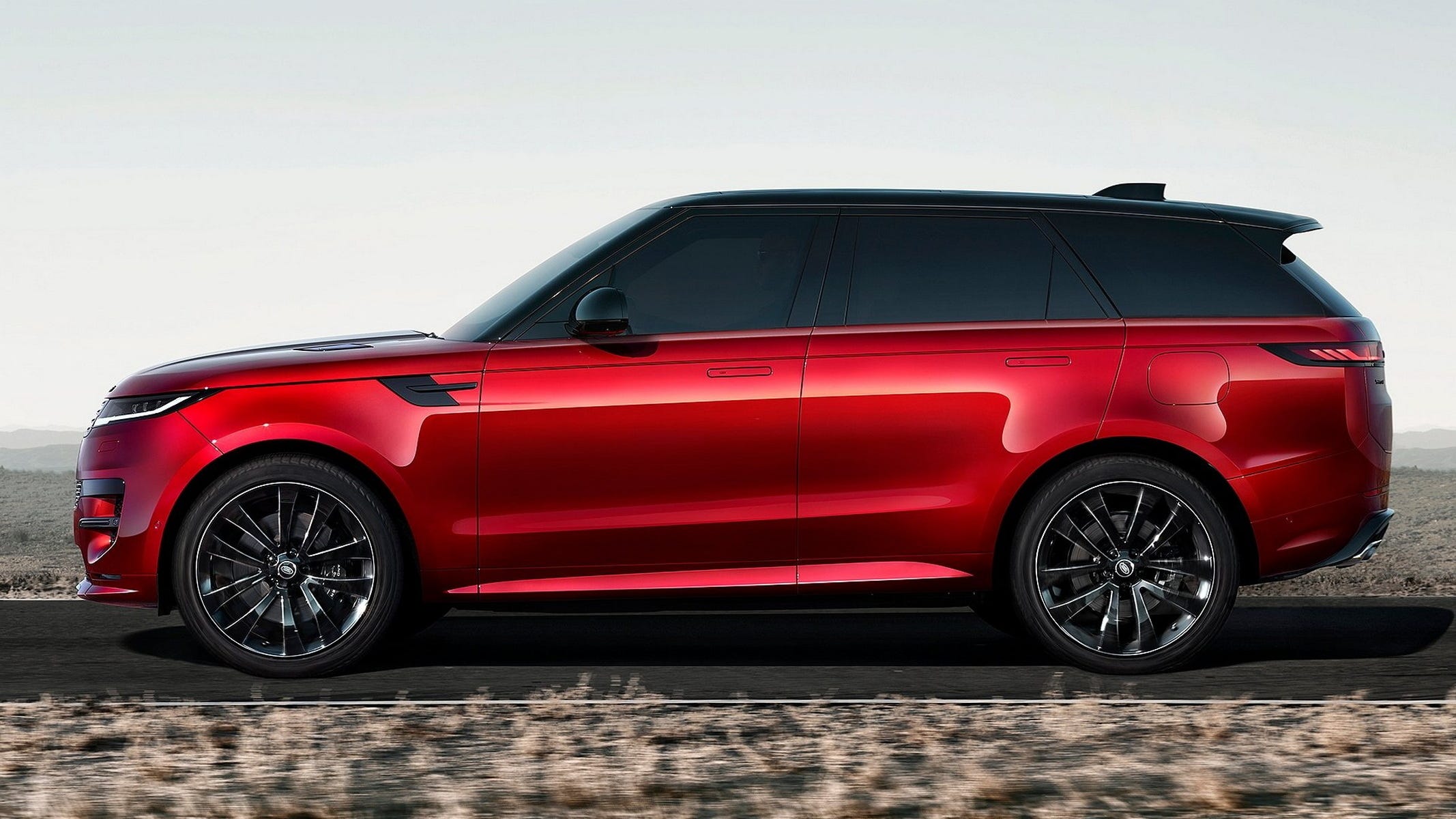


Frank Ruffolo owns two 2023 Range Rovers. He replaced the brakes on both before either hit 14,000 miles. That cost him roughly $4,100 out of pocket, for vehicles that sticker well into six figures.
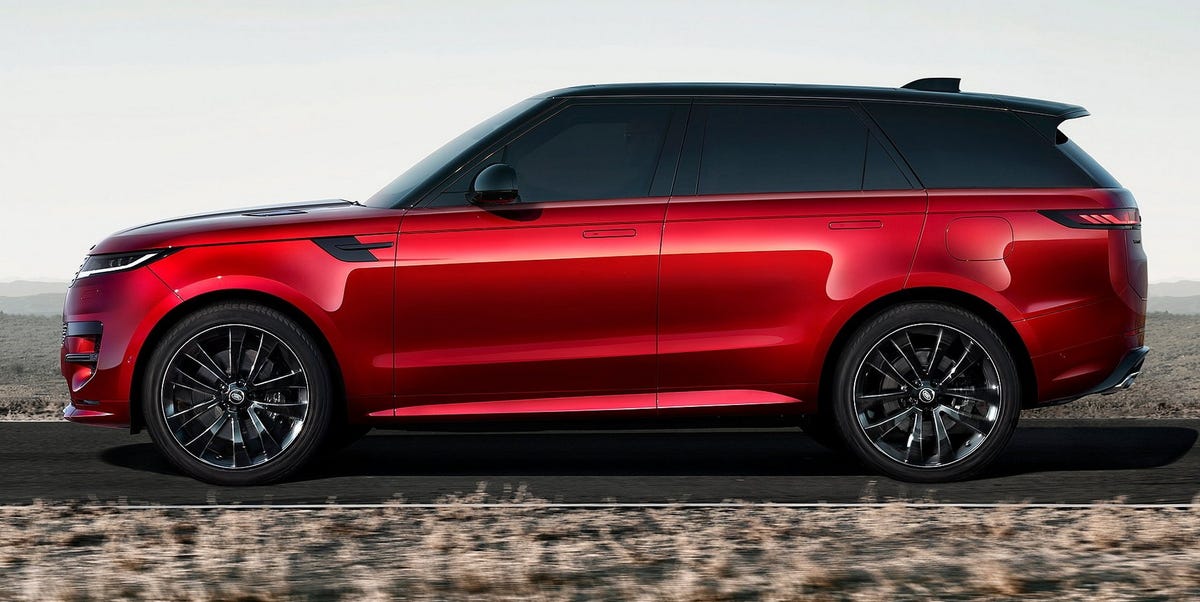
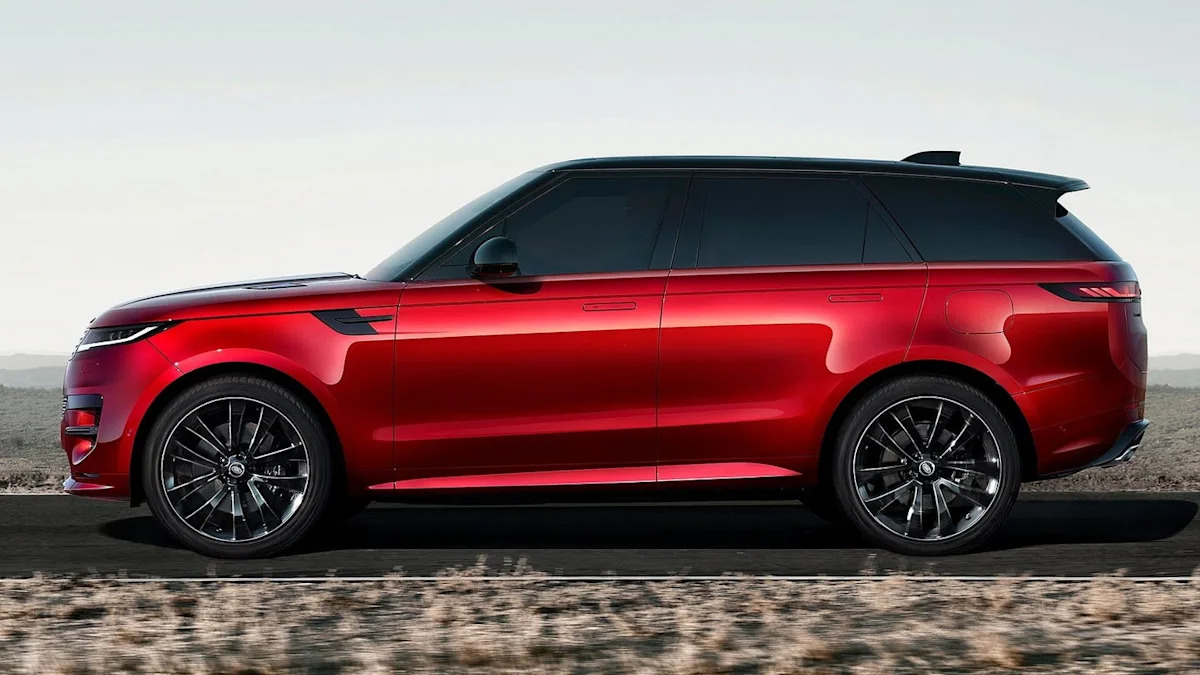
He is not alone. A class-action lawsuit filed in the U.S. District Court for the District of New Jersey alleges that 2023 Range Rover and Range Rover Sport models chew through rear brake pads and rotors at a rate that borders on absurd. Three plaintiffs from New York, California, and Illinois each report paying between $2,000 and $2,500 per repair job, all before their odometers cleared 17,000 miles.
The complaint paints a picture of a braking system that runs dangerously hot, causing premature wear, squealing, grinding, vibrations, and in some cases outright failure if owners delay the fix. These are not track cars being hammered through corners. These are luxury SUVs ferrying people through suburbs and highways.
Dealers refused to cover the repairs under warranty. Brakes are technically wear-and-tear items, but pads and rotors disintegrating before 15,000 miles does not fall under any reasonable definition of normal use. The plaintiffs point to multiple technical service bulletins Land Rover issued to its dealer network about early brake wear, evidence that the company knew the problem was widespread.
But before any court could even weigh the merits of those brake claims, Jaguar Land Rover tried to kill the case entirely. The company argued that owners had agreed to binding arbitration by accepting the vehicle’s warranty booklet, a document tucked into the glovebox that most buyers never crack open. JLR’s position was breathtaking in its simplicity: by driving the car or getting it serviced, you consented to resolve all disputes outside of court.
The plaintiffs said they never saw the arbitration clause, never signed anything agreeing to it, and had no clue they were supposedly surrendering their right to sue.
A federal judge sided with the owners, at least for now. In a ruling issued this month, the court denied JLR’s motion to compel arbitration, finding that the automaker failed to prove the plaintiffs actually received the booklet or knowingly agreed to its terms. The legal concept at stake is ancient and straightforward: a contract requires a meeting of the minds. You cannot bind someone to terms they never saw.
The denial came without prejudice, which means Land Rover gets another shot after limited discovery. Both sides will now investigate the mechanics of how that warranty booklet reaches customers. Did a salesperson hand it over? Was there an opt-out provision? Did anyone explain it during the delivery process?
Those questions carry weight far beyond one brake lawsuit. Automakers across the industry have been quietly embedding arbitration clauses into warranty documents, purchase agreements, and smartphone apps. All of it is designed to funnel angry customers away from courtrooms and into private proceedings where corporate defendants historically fare better.
If this court ultimately rules that a glovebox booklet nobody reads cannot strip away legal rights, it draws a line. Other manufacturers watching this case will take note.
Owners paying $100,000 or more for a vehicle should not be shelling out $2,500 for new brakes before their first oil change interval is up. The technical bulletins suggest Land Rover was aware of the defect and chose to classify it as owner responsibility rather than a warranty matter.
But the arbitration fight may prove more consequential than the brake pads. The auto industry has spent years building legal moats out of fine print. A New Jersey courtroom just poked a hole in one.


Share this Story