
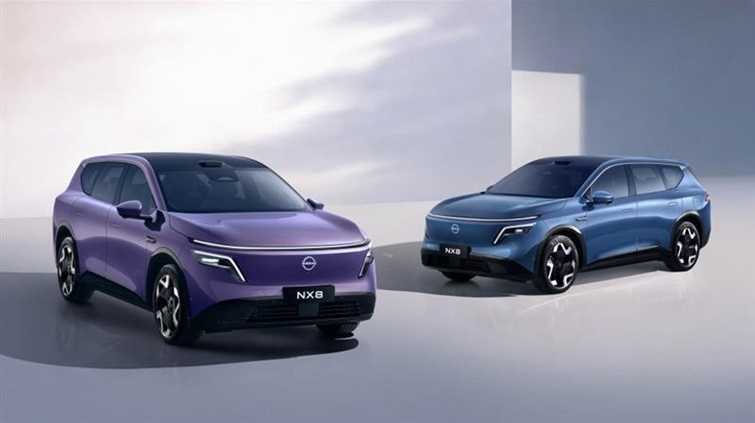


Nissan just did something in China it hasn’t done in years: generated genuine excitement. The Dongfeng Nissan NX8 mid-size SUV racked up 8,423 orders in its first 30 minutes on sale April 8. That number would have been unthinkable for the Japanese automaker’s China operations even 12 months ago.
The NX8 is the third model in Nissan’s China-specific N Series, following the N6 plug-in hybrid sedan and the N7 electric sedan. It arrives with a limited-time starting price of 149,900 yuan, roughly $20,700, undercutting the official sticker by 10,000 yuan across the board. That’s aggressive positioning for a vehicle this loaded with hardware.
Two powertrains share the lineup. The battery electric version rides on an 800-volt silicon carbide platform, tops out at 650 km of CLTC range from an 81-kWh pack, and can charge at a peak rate of 463 kW. Nissan claims a 10-to-80-percent fill in 12 minutes.
The range-extended variant pairs a 1.5-liter turbo engine with a 250-kW electric motor, delivering 310 km of pure electric driving and a combined 1,450 km before you need to stop for anything. Those are not Nissan numbers. Those are Chinese EV numbers, and that’s exactly the point.
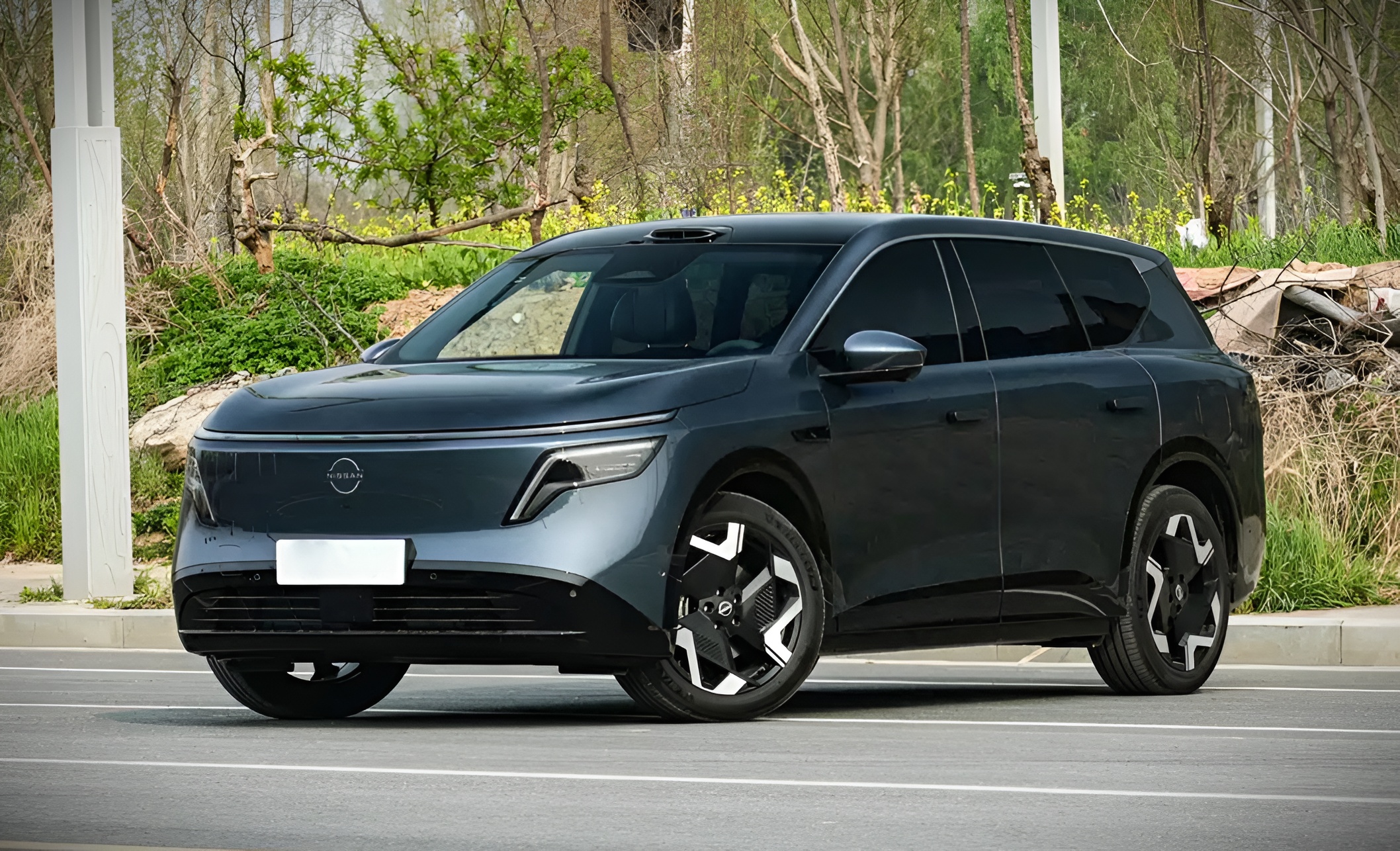
Built on the Tianyan Architecture 2.0, the NX8 was developed almost entirely for and within the Chinese market. It runs a Qualcomm Snapdragon 8295P chipset, dual 15.6-inch displays, a 63-inch augmented reality head-up display, and Nissan OS 2.0. The driver assistance system was co-developed with Momenta, a Chinese autonomous driving firm, and relies on 29 sensors including lidar to deliver highway and urban navigation-on-autopilot functions.
This is a Nissan that doesn’t look, feel, or think like any Nissan sold anywhere else in the world.
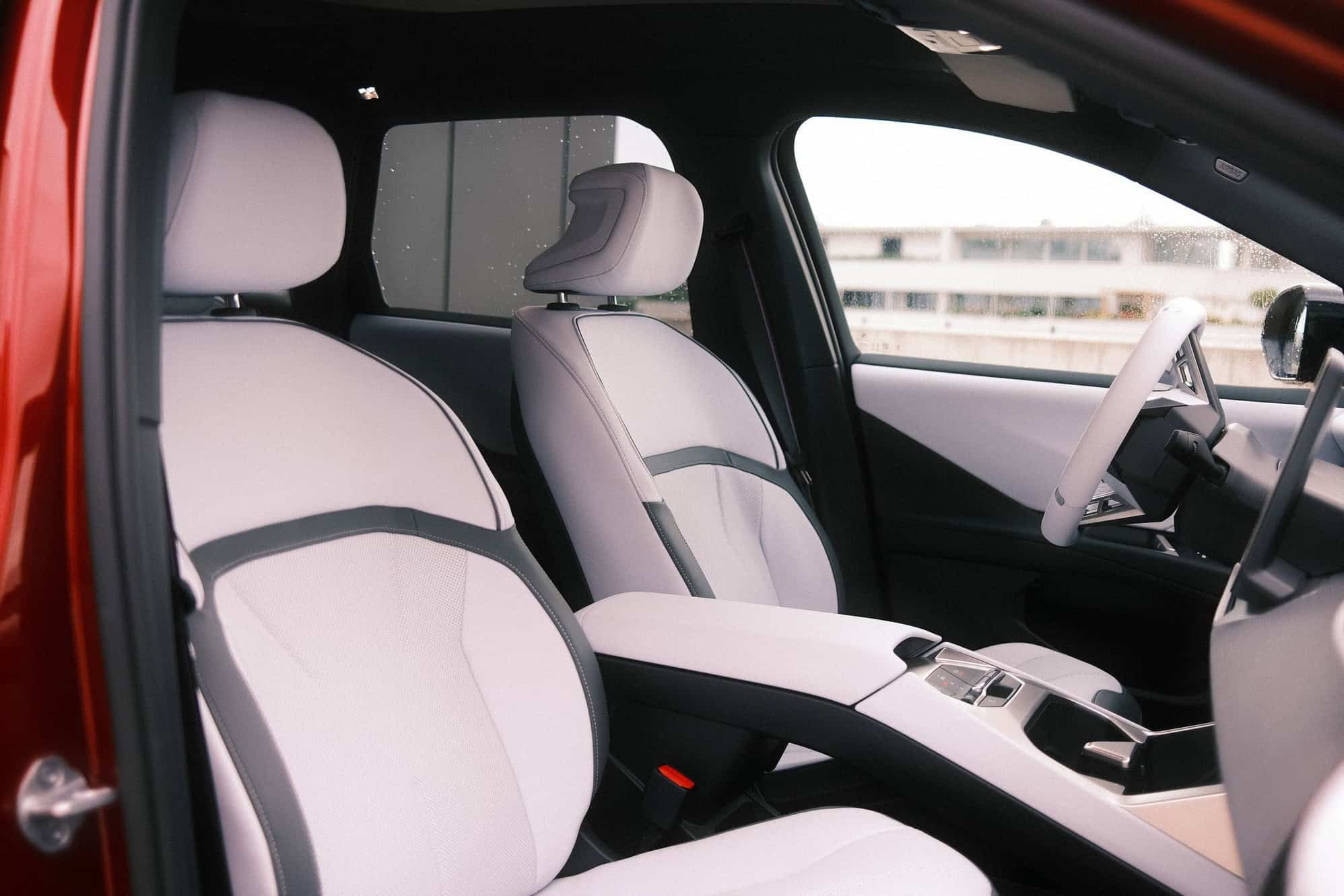
The interior pitch is unambiguous: families. Nissan calls it “every seat is the main seat.” The rear offers power-reclining seats with ventilation, heating, and massage.
A bidirectional onboard refrigerator swings from minus 6 to 55 degrees Celsius. A pet protection mode monitors cabin temperature and alerts the driver if an animal is left behind. Rear headroom hits 1,285 mm, enough for a child to stand up and change clothes, and the cargo area swallows 773 liters.
The competition tells you everything about where this vehicle lives. The NX8 goes directly against the Li Auto L6, the Huawei-backed Aito M6, and Xpeng’s G-series SUVs, all domestic Chinese products that have been eating legacy automakers alive for three years running. Nissan’s China sales have been in freefall, and the N Series is its survival play.
Safety gets a similar China-first treatment. The NX8 uses CATL cells wrapped in what Nissan calls Cloud Shield Battery 2.0, tested against 146 safety criteria with 24-hour cloud monitoring. The body structure blends aluminum with 2,000 MPa ultra-high-strength steel.
EV models went on sale immediately. Range-extended versions begin deliveries in mid-to-late May.
The 8,423 opening orders are a decent start, not a victory lap. Li Auto moves tens of thousands of L-series SUVs monthly. BYD’s volume remains in another stratosphere entirely.
But for a company that looked like it might be forced out of China altogether, Nissan is showing it learned the most important lesson the market has to teach: you cannot sell a Chinese consumer a warmed-over global product. You build what China demands, with Chinese partners, at Chinese speed, at Chinese prices. The NX8 is proof Nissan finally got the memo, and whether it got it fast enough is the only question left.

Share this Story