
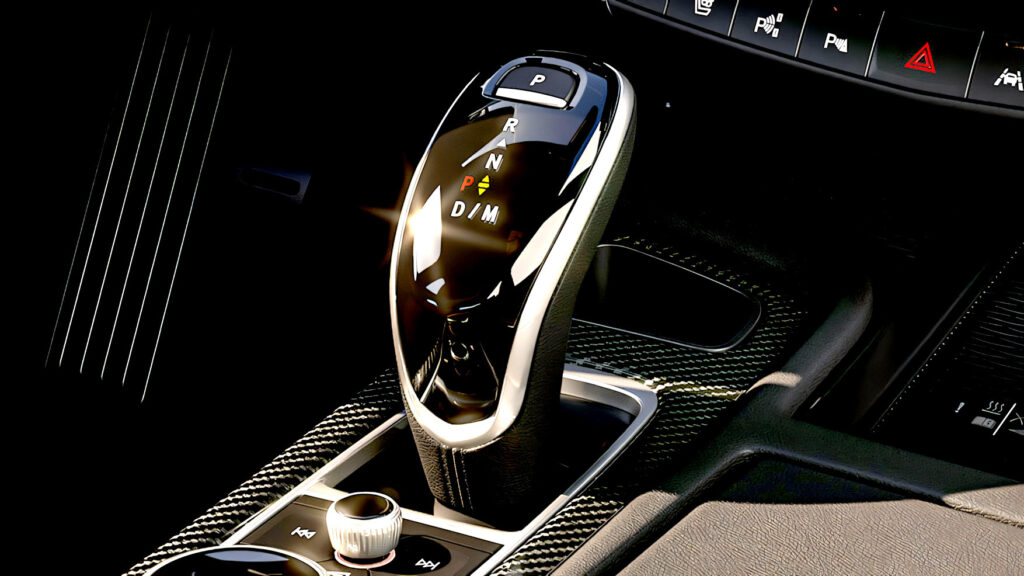


A new class-action lawsuit filed in the Northern District of California accuses General Motors of knowingly selling trucks and SUVs equipped with a 10-speed automatic transmission it already knew was defective. The complaint, brought by a group of owners, alleges GM violated state and federal consumer protection laws by keeping buyers in the dark about a gearbox that has been the subject of recalls, service bulletins, and years of owner complaints.
The timing is brutal for GM. Just three months ago, the automaker expanded a recall covering thousands of additional trucks and SUVs over a fault that could lock up rear wheels while driving. That was a widening of an earlier action, not a new discovery. The pattern is what makes the lawsuit sting.
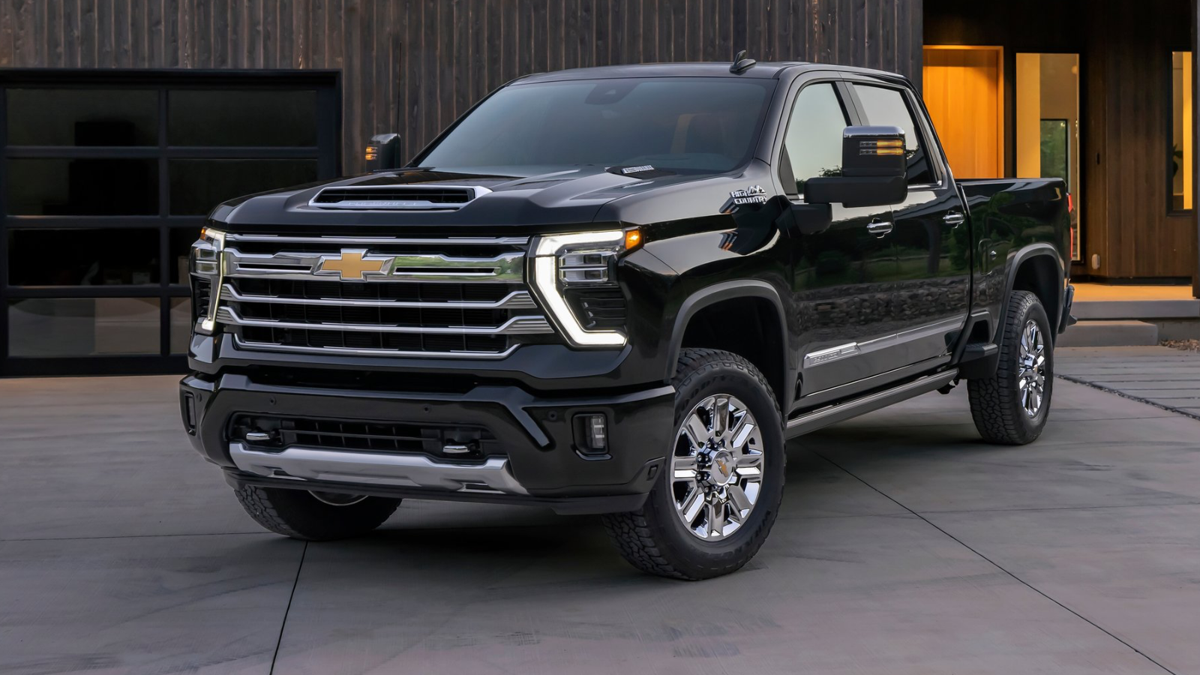
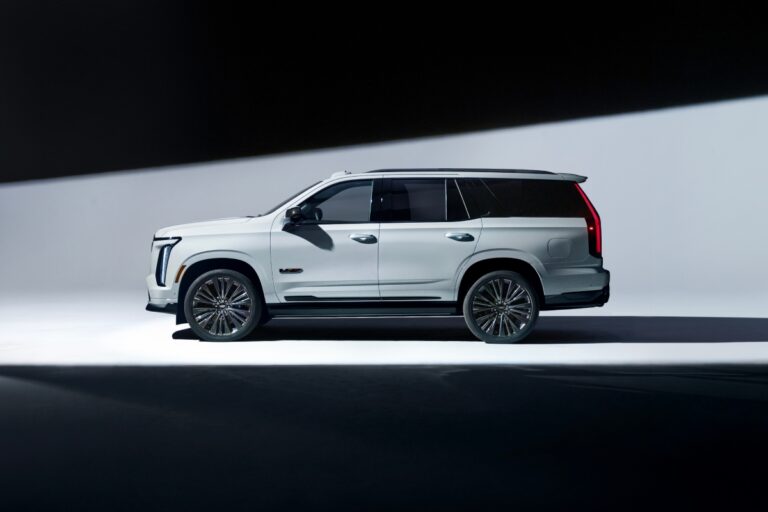
Plaintiffs say the 10-speed automatic, found across a swath of Chevrolet, GMC, and Cadillac models, can hesitate on shifts, slam violently into gear, or behave erratically without warning. These aren’t edge-case scenarios. They’re the kind of problems that leave drivers stranded or, worse, in danger.
The core allegation is straightforward: GM had enough internal knowledge, through its own service bulletins and recall history, to understand the transmission had a fundamental design problem. Instead of pulling back or alerting consumers, the company kept shipping vehicles and cashing checks. The plaintiffs argue that prior fixes addressed symptoms, not the root cause.
For now, the lawsuit covers California owners and lessees, but these cases have a way of spreading. If more plaintiffs from other states step forward, the scope could widen considerably. The complaint seeks compensation for repairs and related losses, plus changes in how GM markets or sells vehicles with the troubled gearbox.
GM has declined to comment. The case remains in its infancy, and it could take months before a judge rules on whether it proceeds as a certified class action. Discovery, the phase where internal GM documents and communications would become public, is where things tend to get uncomfortable for automakers.
There’s a shadow player in this story that deserves mention. Ford co-developed this 10-speed transmission with GM, and both companies use variants of it across their lineups. If GM’s version is structurally flawed, the question of whether Ford faces similar exposure isn’t hypothetical. No lawsuit has been filed against Ford on this front yet, but plaintiff attorneys pay close attention to precedent.
The 10-speed automatic was supposed to be a triumph of engineering efficiency, delivering smoother power and better fuel economy through more gears. In practice, the ratio of complaints to confidence has tilted the wrong way for too long. When service bulletins don’t quietly fix the problem and recalls don’t decisively fix it either, a courtroom is what’s left.
GM has been here before with other components, and the playbook is familiar: deny, delay, settle quietly. Whether that strategy holds depends entirely on what the company’s own engineers were writing in internal memos while the sales floor kept moving metal. That’s the discovery phase everyone should be watching.
The trucks and SUVs at the center of this lawsuit aren’t niche products. They’re GM’s profit engines, the Silverados, Sierras, and Escalades. When the transmission in your highest-margin vehicles becomes a liability, the math changes fast, not just in courtroom damages, but in the showroom, where trust is the only currency that actually matters.




Share this Story