
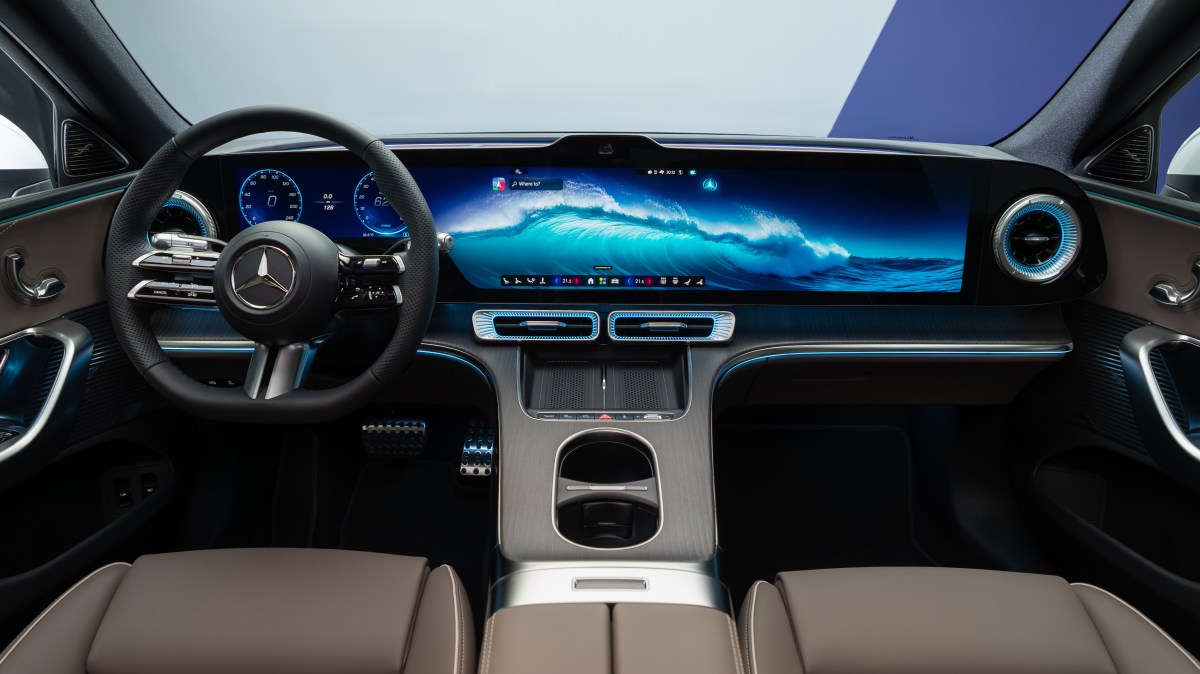


The 2027 Mercedes-Benz C-Class EV debuted this week in South Korea with 482 horsepower, roughly 400 miles of range, and a 39.1-inch dashboard screen that threatens to undo everything the car gets right. The C400 4Matic Electric is, on paper, the most ambitious C-Class ever built. It is also a case study in how the screen arms race is consuming cars that otherwise deserve better.
Start with the good stuff, because there’s plenty. The C400 rides on Mercedes’ dedicated 800-volt MB.EA platform, pairs front and rear motors for a 3.9-second sprint to 60 mph, and carries a 94-kWh battery that should deliver around 400 miles on an EPA cycle. DC fast charging hits 330 kW, enough to add 200-plus miles in ten minutes.
The rear motor gets its own two-speed transmission. Rear-axle steering now swings 4.5 degrees at low speeds, nearly double the outgoing ICE model. Air suspension reads Google Maps data to keep ride height low for maximum efficiency, and the heat pump warms the cabin twice as fast as a combustion engine in 19-degree weather.
This is serious engineering. Mercedes clearly learned from the EQ-branded stumbles — the clumsy regen braking, the polarizing jellybean styling, the confused brand positioning. The EQ name is dead, the “with EQ Technology” tagline is mercifully buried, and the company now sells the car simply as a C-Class.
CEO Ola Källenius talks about giving customers “the perfect blend of performance, comfort, dynamics, and intelligence.” On the mechanical side, the car delivers.
Then you sit inside, and a screen the width of a kitchen countertop screams for your attention.
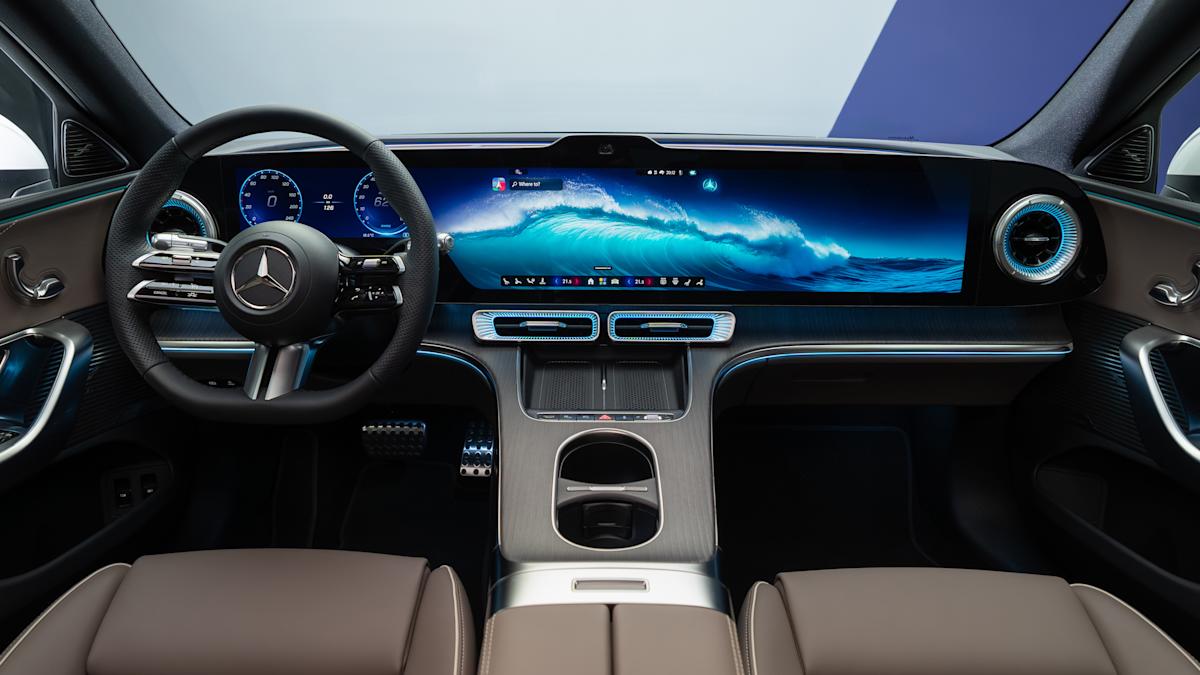
The optional Hyperscreen spans 39.1 inches across the entire dashboard — driver gauges, center infotainment, and a dedicated passenger display fused under one slab of glass. If you skip the upgrade, you get the “Superscreen,” which is merely three screens totaling nearly 40 inches behind a single pane. Either way, you’re staring at a wall of pixels where wood, chrome, and sculptural air vents used to live.
Mercedes is not alone in this, but it is supposed to be the standard-bearer for interior luxury. The brand that invented the modern automotive cockpit with layered materials, analog precision, and tactile controls is now shipping a dashboard that looks like a sports bar during March Madness. Huge swaths of that 39.1-inch panel display ambient wallpaper — rolling waves, color gradients, screensaver art — contributing nothing to the driving experience.
The economics are obvious. A screen is cheaper to manufacture than hand-finished surfaces. Software-defined interiors generate data and open subscription revenue streams. And buyers raised on smartphones don’t flinch at a touchscreen the way they once didn’t flinch at a rotary phone dial.
But cheaper to build and better to drive are not the same thing. The passenger screen is a particular head-scratcher — a secondary display fighting for relevance against the phone already in every rider’s pocket, while bathing the cabin in light pollution that competes with the driver’s forward sightlines. Physical buttons for climate, volume, and drive modes remain the fastest, safest interface ever devised for a moving vehicle. A decade ago, Mercedes knew that.
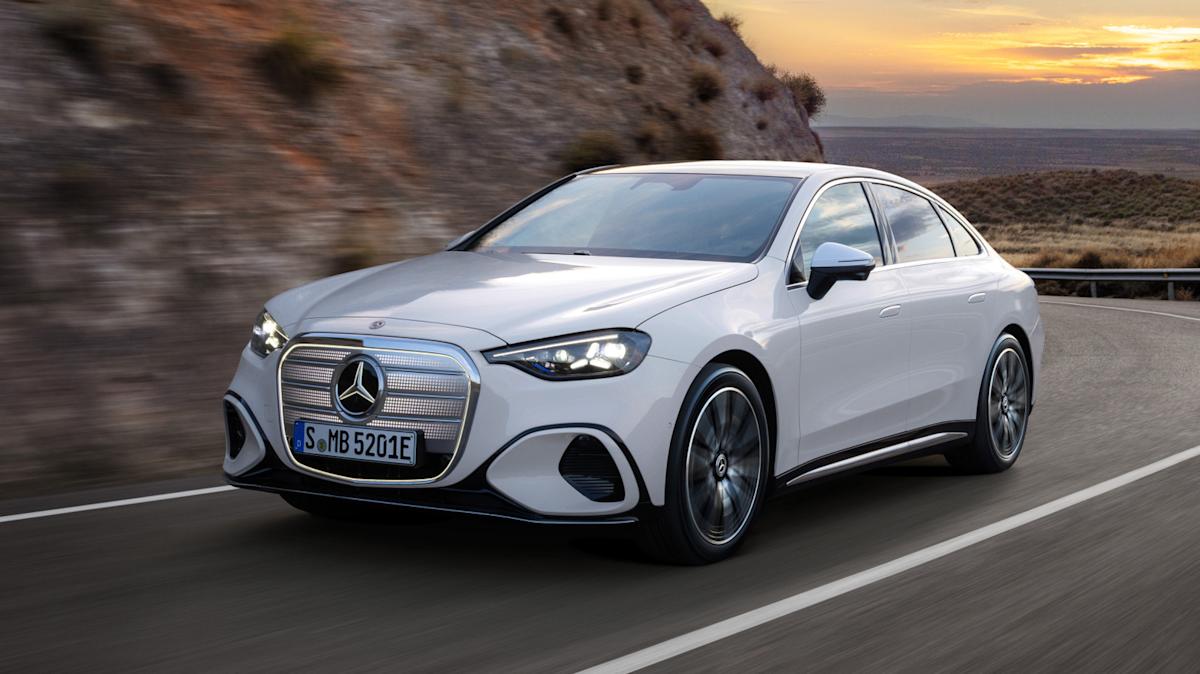
The tragedy of the 2027 C-Class is the gap between its platform and its presentation. Underneath, this is probably the most technically accomplished sedan Mercedes has ever built at this price point. The powertrain, the suspension intelligence, the thermal management — all of it represents real progress over the awkward EQC and EQE experiments.
The car finally looks like a proper Mercedes again from the outside, with a face and tail that carry genuine design conviction. And then you open the door and get hit with a Times Square light show where a cockpit should be.
Mercedes spent billions developing a world-class electric sedan, then dressed its interior like a consumer electronics trade booth. The C-Class deserved a cabin as thoughtful as its chassis. Instead, it got the biggest screen in the segment and called it luxury.
Share this Story