


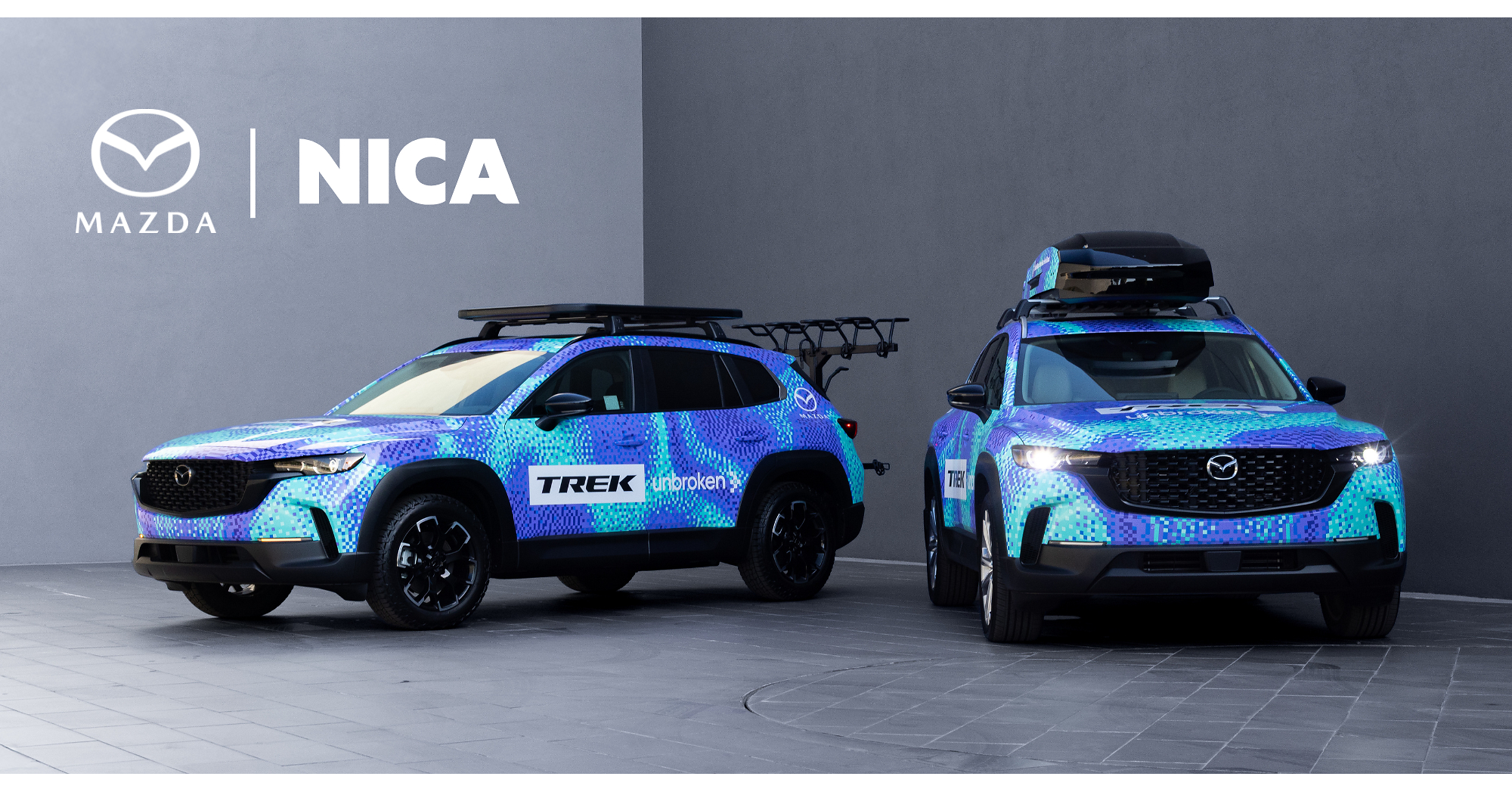
Mazda just signed a multi-year deal through 2029 to become the official automotive and SUV partner of the National Interscholastic Cycling Association, the nonprofit that puts roughly 26,000 student-athletes on mountain bikes across the country each year. The automaker will also serve as presenting sponsor of all three NICA regional events this fall.
This follows Mazda’s recently announced multi-year partnership with Trek, the bicycle manufacturer that already backs NICA as a major partner. Two cycling deals in quick succession from a company that sells crossovers and sedans is not a coincidence. It is a calculated play to embed the brand in the outdoor-active family demographic that buys CX-50s and CX-70s with bike racks bolted to the roof.
The three regional events where Mazda will plant its flag are scheduled for Charlottesville, Virginia in late October, Fayetteville, Arkansas in early November, and St. George, Utah two weeks later. NICA says its most recent Eastern Regional alone drew more than 2,500 riders, coaches, parents, and volunteers. That is a captive audience of exactly the households Mazda wants to reach, families who drive hours to trailheads with gear-stuffed vehicles and who will do so for years as their kids grow through the sport.
Mazda’s chief marketing officer Brad Audet framed the deal around the idea that “movement has always been at the heart of the Mazda brand.” NICA president Amanda Carey called it an investment “at every level and for years to come.” The language is predictably warm, but the underlying logic is sharp.
NICA has grown fast. Its coach network alone numbers 16,000 adults. For a brand that operates through roughly 795 dealers and has historically punched above its weight on loyalty, getting in front of that community before competitors do is smart positioning.
The cycling sponsorship lane has been crowded with truck and SUV brands for years. Subaru has owned the outdoorsy identity for decades. Toyota backs cycling events. Rivian courts the adventure crowd.
Mazda is smaller than all of them, which makes the NICA deal both ambitious and risky. The brand does not have the marketing budget to outshout those competitors, so it needs partnerships like this one to do targeted work that broad ad campaigns cannot.
What Mazda brings to the trail will matter. The company promised “a one-of-a-kind expo experience” and a “signature trailside feature” at each regional stop, invoking its Japanese concept of omotenashi, loosely translated as wholehearted hospitality. Whether that translates into something families remember or just another branded tent remains to be seen.
The Trek connection adds a layer worth watching. Mazda is building a small ecosystem around cycling culture rather than making a single isolated sponsorship play. If Trek integration shows up at NICA events alongside Mazda vehicles, the brand starts to look less like a title sponsor writing checks and more like a committed stakeholder in the sport.
NICA operates as a 501(c)(3) nonprofit. It needs corporate money to keep expanding into new states and reaching more kids. Mazda needs access to an audience that fits its product lineup perfectly.
The deal runs through 2029, which means both sides are betting this relationship will still make sense three model cycles from now. That is a long horizon for a brand that has historically been cautious with its spending. The first real test comes in October, when Mazda shows up trailside in Virginia and 2,500 families decide whether they are paying attention.
Share this Story