
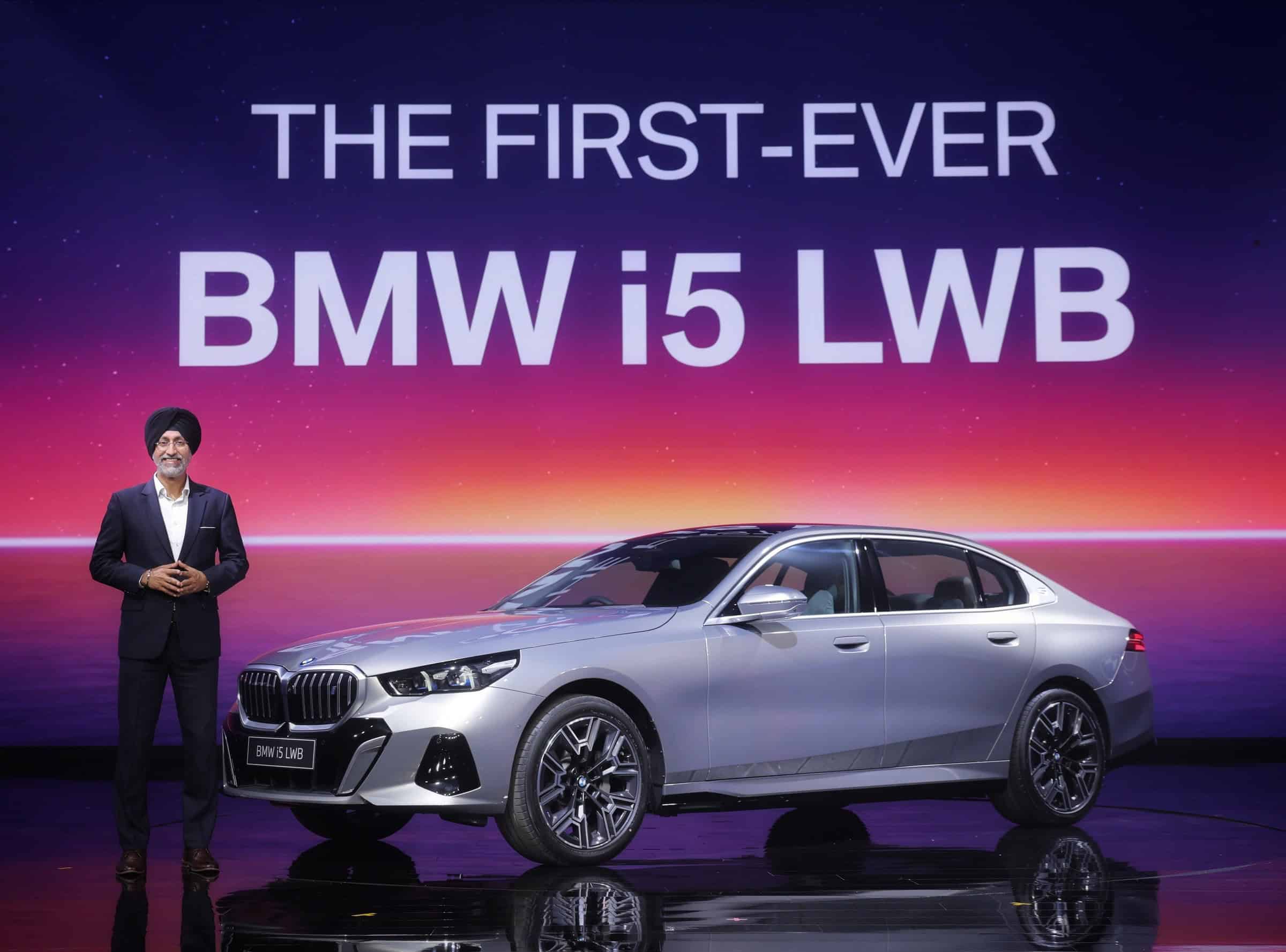


Long-wheelbase models accounted for 52 percent of BMW India’s sales in the first half of 2026. The company expects that number to hit 60 percent by year’s end. A strategy born for China is now reshaping how BMW does business on the subcontinent.
Hardeep Singh Brar, president and CEO of BMW Group India, told Autocar India that long wheelbase and electrification are the two pillars driving the brand’s push this year. He expects the LWB share to keep climbing as more products arrive.
The lineup is already substantial. BMW sells stretched versions of the 3 Series, the 5 Series and i5 sedans, and the X1 and iX1 crossovers in India. The long-wheelbase iX3 is next, and a stretched X5 is also headed to Indian showrooms.
The logic is straightforward. Indian luxury buyers prize rear-seat space above almost everything else. Many owners ride in the back while someone else drives.
Paying for extra legroom in a 3 Series is far more attractive than jumping up to a 5 Series just to get comfortable behind the driver. BMW figured this out in China years ago and is now applying the same playbook across South and Southeast Asia, with the LWB iX3 also confirmed for Thailand, Indonesia, and Malaysia.
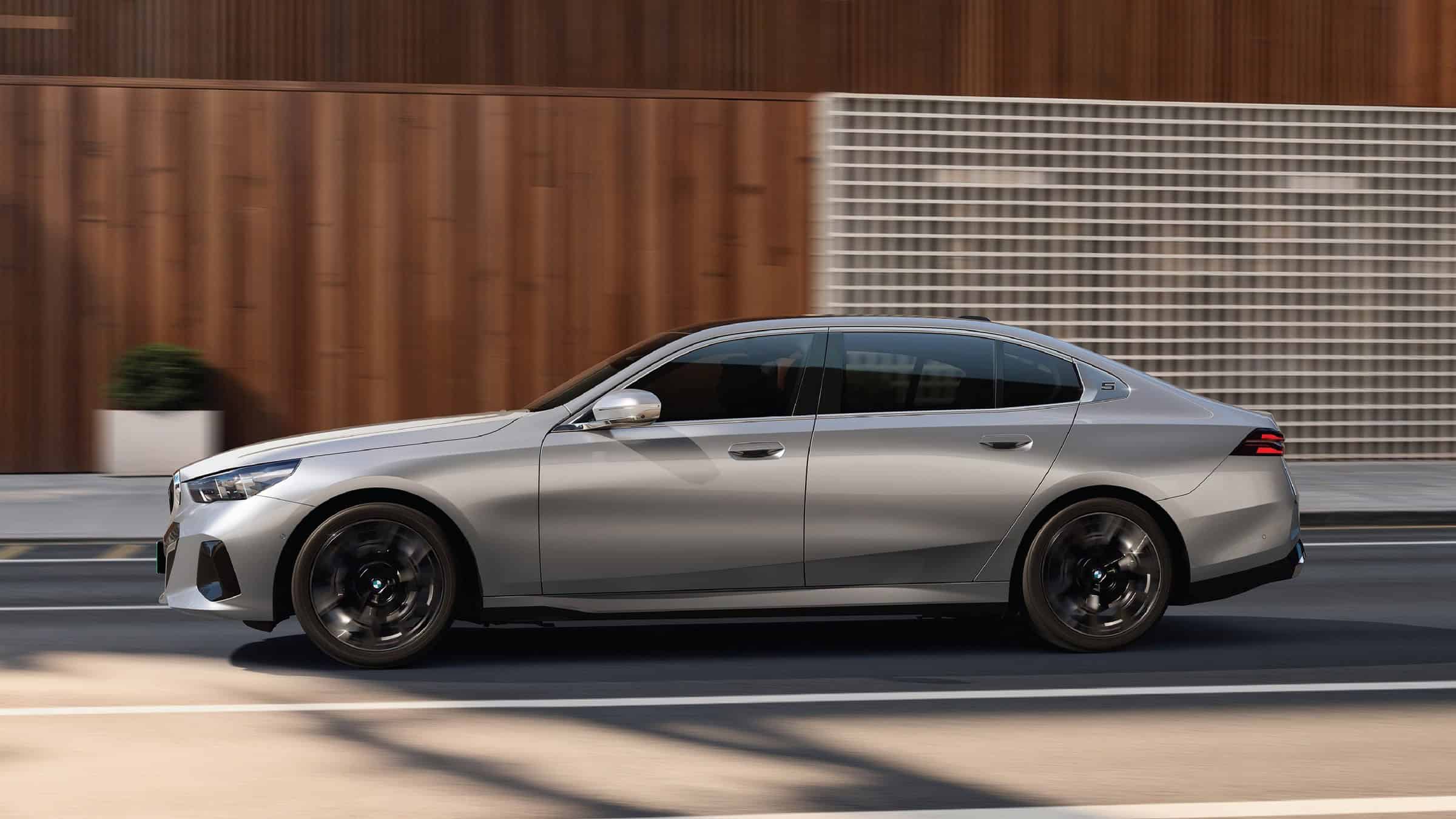
What makes India different from China is the speed of adoption. China had a decades-long head start with stretched sedans, yet India crossed the 50 percent threshold quickly once BMW committed to localizing these variants. That tells you something about latent demand that went unmet for years while Munich focused its LWB energy almost exclusively on Beijing and Shanghai.
Not every market gets an invitation. Bernd Körber, BMW’s head of product, recently confirmed the company has ruled out LWB models for the United States. His reasoning was blunt: American buyers want cargo room, not legroom.
Internal research found no case for offering stretched cars in North America. Europe is similarly unlikely to see them.
That regional split is becoming a defining feature of BMW’s product strategy. The days of shipping one global car to every dealer on the planet are fading. Munich is increasingly willing to engineer market-specific variants, accepting the added complexity in exchange for sales volume in high-growth regions.
The complexity, though, has limits. BMW is not offering buyers in India a choice between standard and long-wheelbase versions of the same car. It picks one or the other for each market. Running both would create a logistical tangle and drive up costs that would ultimately land on the customer’s invoice.
India is now BMW’s clearest proof that the LWB formula travels. The country’s luxury market is still small by global standards, but it is growing fast. BMW is positioning itself to ride that wave with products tailored to what Indian buyers actually want rather than what works in Munich or Manhattan.
With the iX3 LWB and X5 LWB still to come, the 60 percent target for 2026 looks conservative. The real question is whether BMW will eventually build a model for India that exists only as a long-wheelbase car, with no standard version offered anywhere. Given the trajectory, that conversation is probably already happening inside the company.

Share this Story