
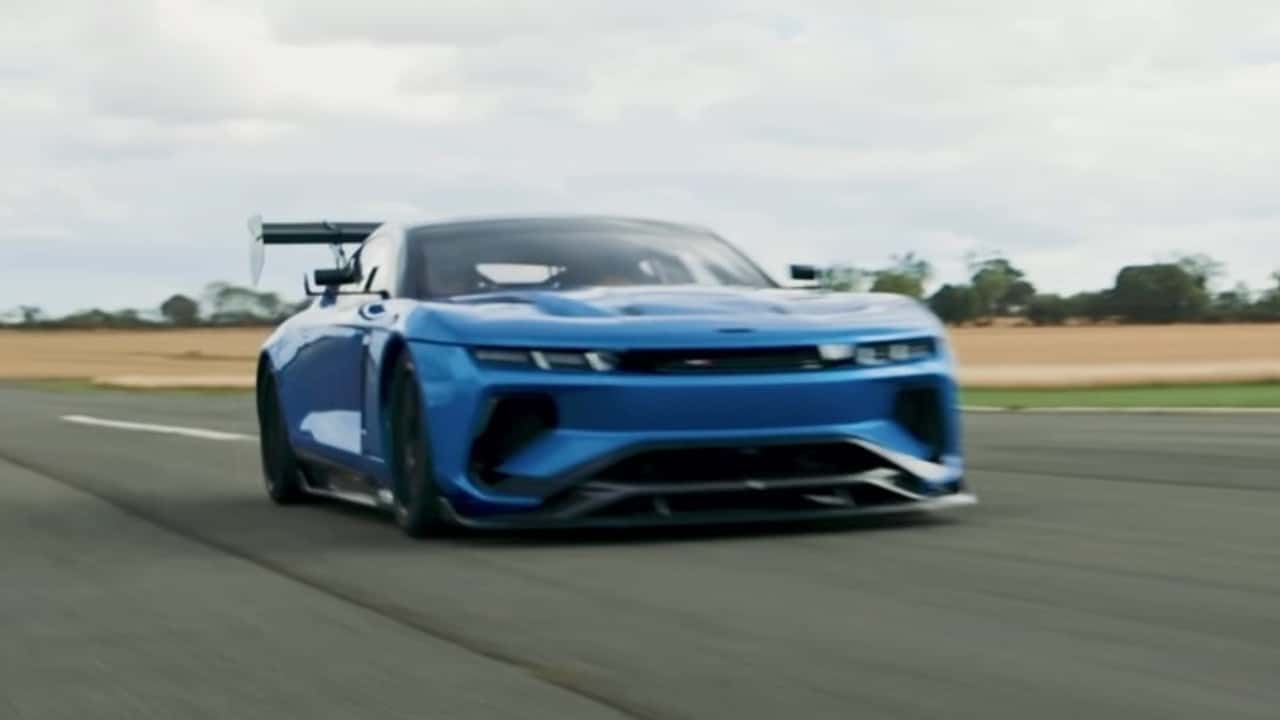


The reborn Jensen brand just dropped audio of its Interceptor GTX at full throttle, and the supercharged 6.8-liter V8 sounds like it wants to eat everything in its path. The track-only prototype is making 973 horsepower through a manual gearbox, with Jensen claiming up to 1,200 is available with a tune. That’s a staggering number for a company that, until recently, most people assumed was permanently dead.
Here’s what makes this story stranger than it sounds. Jensen International Automotive is building a British sports car around a General Motors engine block, then shipping it to Late Model Engines in Texas for a full overhaul. CNC-machined heads, titanium valves, upgraded rotating assembly, Motec engine management. By the time the motor goes back into the car, virtually nothing remains stock. Jensen is buying a GM block as a starting point and building a bespoke race motor on top of it.
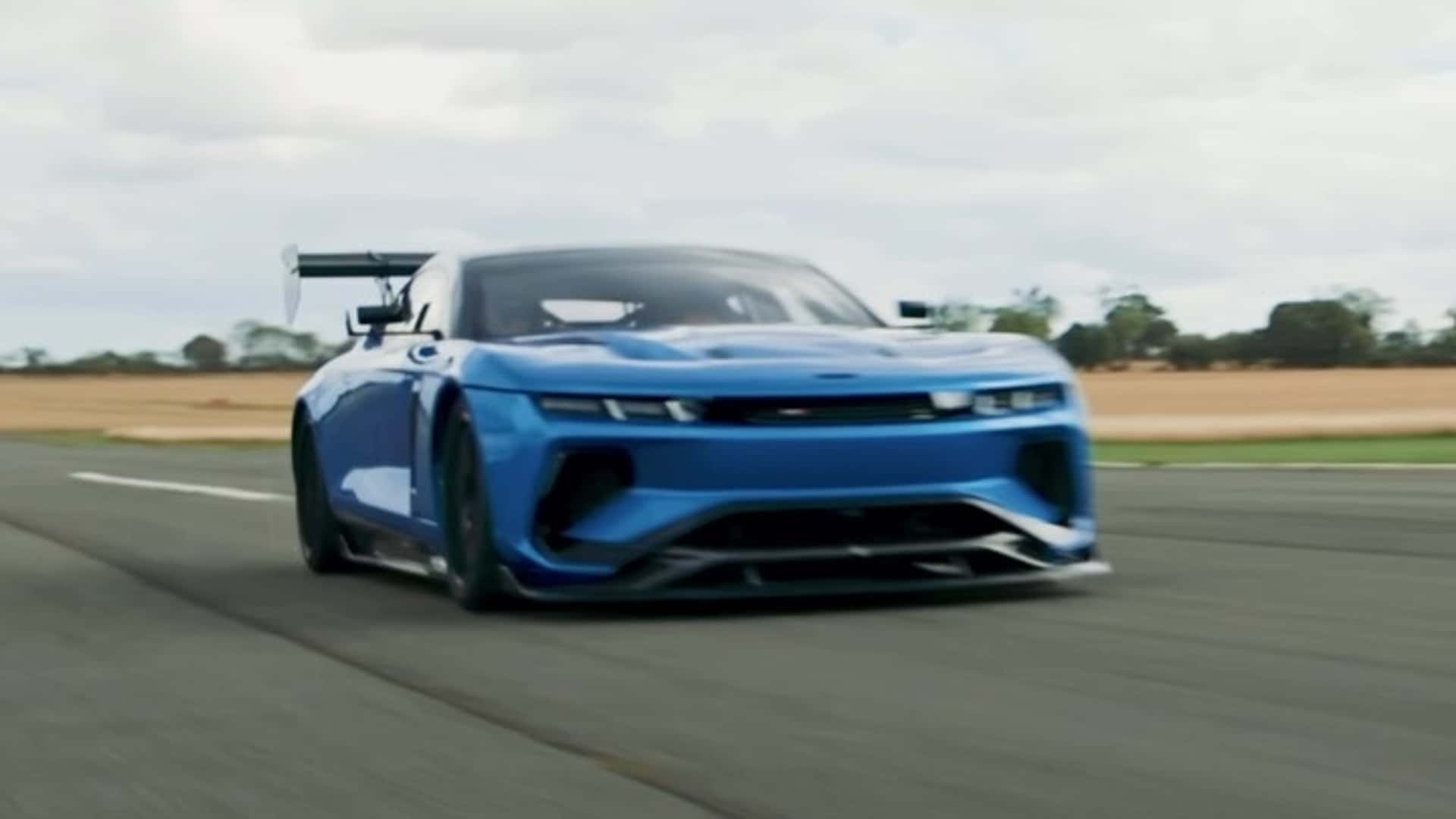
The Interceptor GTX exists as a development mule, not a product you can buy. Jensen’s stated plan is to use the race car as the foundation for two future road models: a grand touring GT and a sportier GTR. Both would be derived from what they learn thrashing this prototype on track. There is no timeline for either road car. No pricing. No production numbers. Just a loud V8 and a promise.
That promise deserves some scrutiny. Jensen has been teasing a comeback for years now, cycling through names, concepts, and corporate restructuring. The brand originally died in 1976, was briefly revived in the early 2000s, and has been in various stages of resurrection ever since.
Building a nearly 1,000-horsepower track car is one thing. Homologating a road-legal GT with that kind of output, meeting modern crash standards, emissions regulations, and noise limits across multiple markets, is an entirely different engineering and financial challenge.
The approach itself is telling. Starting with a race car and working backward toward a street machine is the opposite of what most small manufacturers do. Pagani, Koenigsegg, and Gordon Murray all began with road cars and let track variants follow. Jensen is betting that proving the powertrain under racing stress will shortcut the development of a production vehicle.
It’s a strategy that sounds logical in a press release but carries real risk. Race programs burn cash at a terrifying rate, and small companies without deep pockets have been consumed by them before.
Still, the sound clip Jensen released is doing exactly what the company intended. It has people talking about a brand that most enthusiasts under 40 have never heard of. The original Jensen Interceptor, built from 1966 to 1976, was a genuinely beautiful grand tourer with a Chrysler V8 and Italian styling by Vignale.
It had character and presence. Whether this new version can capture any of that spirit while wrapping itself in a modern carbon-fiber race suit remains an open question.
The manual gearbox is a deliberate provocation in a market dominated by dual-clutch automatics and instant-torque electric motors. Jensen is clearly targeting a buyer who values mechanical engagement over lap-time optimization. That buyer exists, but the pool is shallow and well-served by established players.
A 973-horsepower British bruiser with an American heart and a stick shift is a hell of a story. Jensen just needs to figure out how to finish writing it.
Share this Story