
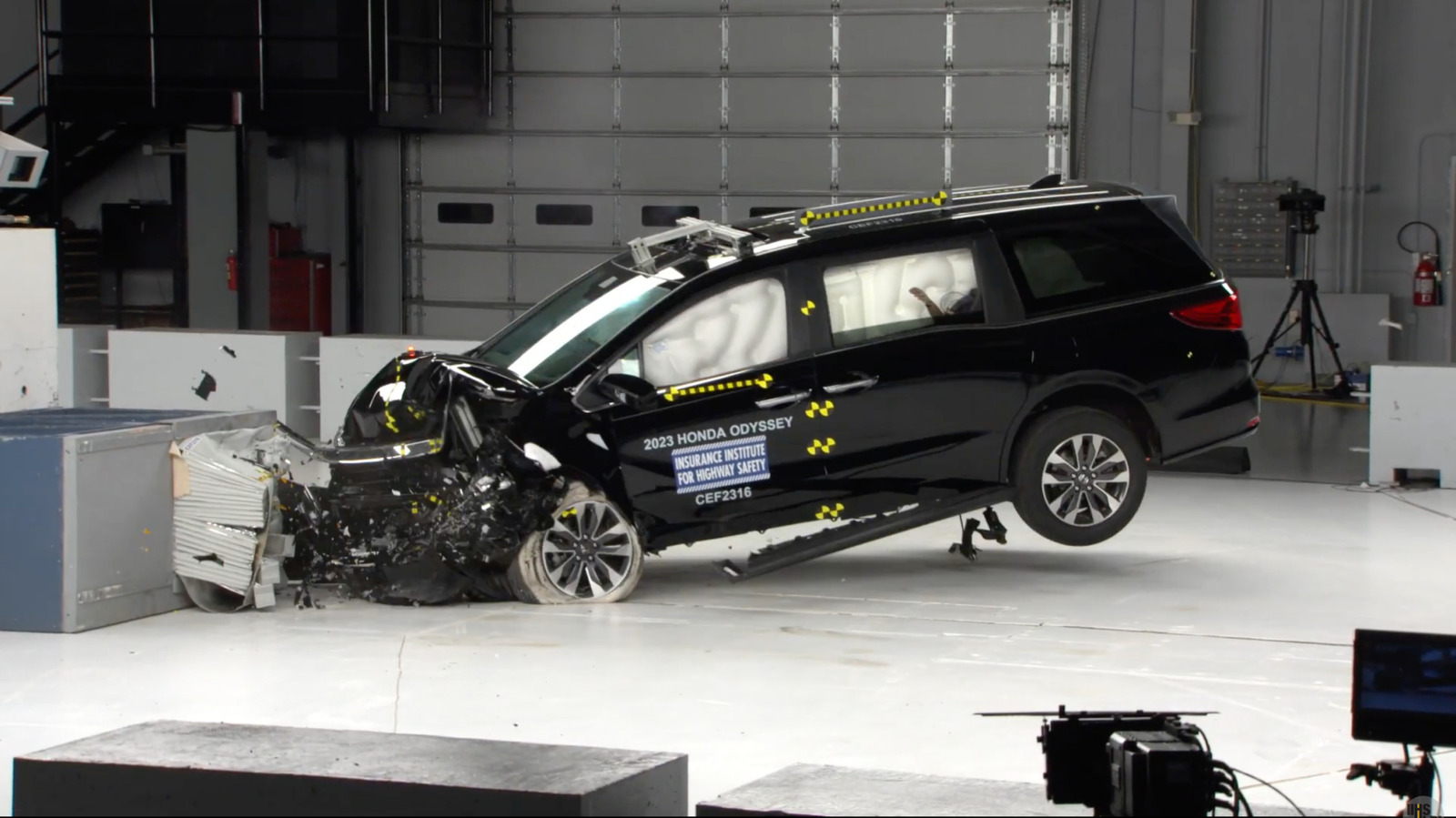


In November 2017, Honda got its first report of an Odyssey minivan’s side curtain airbags going off without a crash. A pothole did it. By July 2021, the company’s own investigation confirmed that second- and third-row airbags in 2018–2022 Odysseys could deploy when drivers hit potholes, speed bumps, or road debris. Honda’s conclusion that October? No safety concerns.
Now, 440,830 minivans and 25 reported injuries later, Honda has finally issued a recall.
The timeline is the story here. Honda identified the root cause — an overly sensitive airbag control unit with incorrect deployment parameters — early enough to fix it on the assembly line starting with the 2023 model year. Vehicles built after June 3, 2022, already carry the corrected software. Yet owners of nearly half a million older Odysseys were left driving family haulers whose airbags could explode in their faces over a rough stretch of pavement.
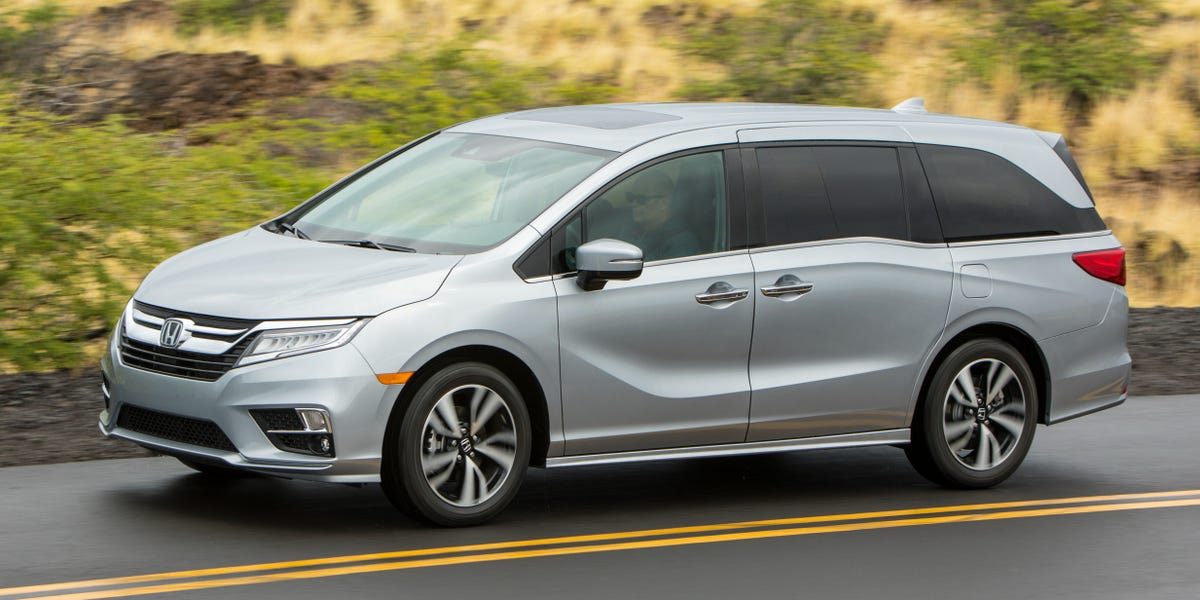
The technical explanation is straightforward. The control logic governing the second and third rows had insufficient deployment threshold margins, allowing G-force signals from road impacts to be misread as side collisions. When that happened, curtain airbags fired without warning — inside a vehicle specifically designed to carry children and families.
Honda sat on this for four years after its own engineers flagged it. The company didn’t budge until the National Highway Traffic Safety Administration issued a Preliminary Evaluation request in October 2025. Only then did Honda reopen the investigation. On April 2, 2026, the automaker finally acknowledged a safety defect existed.
Between the initial discovery and that admission, Honda accumulated 130 warranty claims and those 25 injury reports. No fatalities have been reported, which is fortunate. An airbag detonating unexpectedly at highway speed in a vehicle full of passengers is not a scenario that always ends well.
The fix is simple enough to make the delay look worse. Dealers will reprogram or replace the airbag control unit with corrected deployment parameters. A software update — the kind of repair that takes minutes, not hours, and the kind of solution that could have been pushed out years ago.
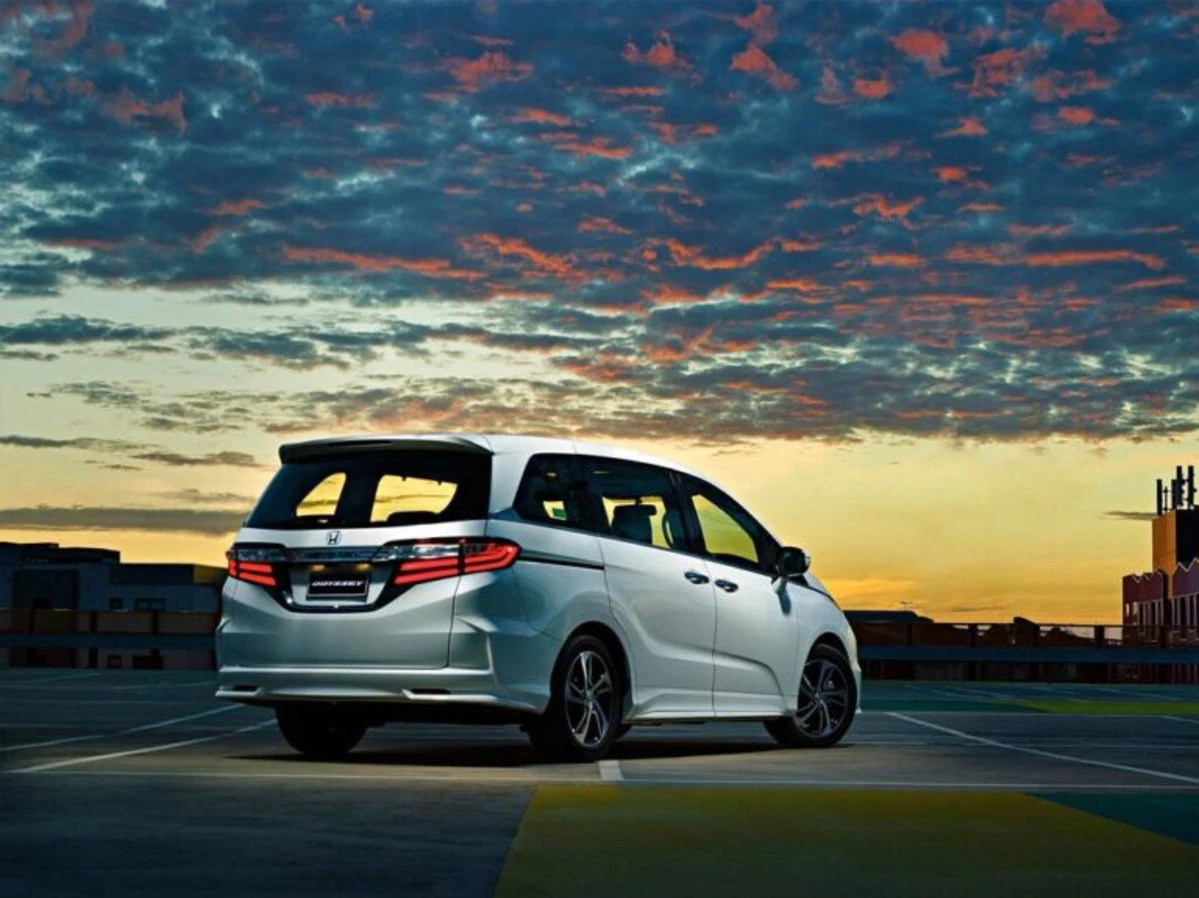
NHTSA estimates that only 0.1 percent of the recalled population will actually experience the defect. That’s roughly 440 vehicles. But “low probability” is cold comfort when you’re the parent in the second row who catches a curtain airbag to the head because your driver clipped a pothole on the way to soccer practice.
Registered owners will receive recall notifications by mail starting May 25. Those who don’t want to wait can call Honda at 888-234-2138 or check their VIN at recalls.honda.com. Dealers are reportedly already prepared to perform the repair.
Honda has been busy with recalls lately — 65,135 Prologue and ZDX EVs, 256,000 Accord Hybrids for stalling, 400,000 Civics for wheel problems. But this one stands apart because of the gap between knowledge and action. The automaker had the data, had the engineering diagnosis, had already built and shipped the production fix — and still needed a federal nudge to extend that fix to customers who’d already bought the car.
The recall system works, eventually. But it works a lot better when automakers don’t treat a confirmed airbag malfunction in a family minivan as something that can wait half a decade.



Share this Story