
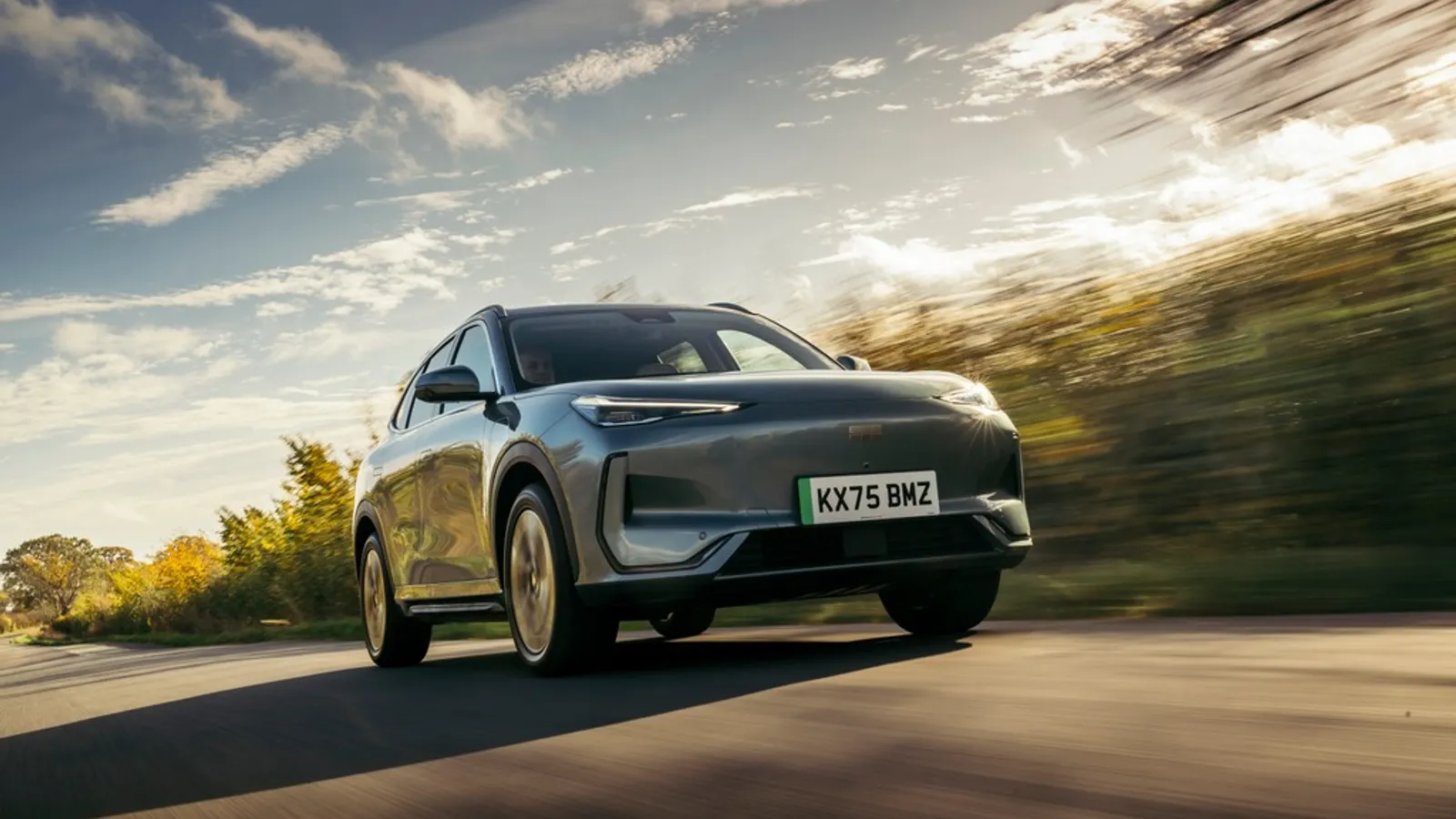


Geely Auto has boots on the ground in Canada. The Hangzhou-based automaker confirmed on Oct. 8 that it has assembled a local team, appointed a managing director named Bryan Wu, and begun building out a retail and service network ahead of its first vehicle sales in 2027.
The move is only possible because of a trade deal struck between Ottawa and Beijing in January that most of the auto world is still digesting.
That agreement handed Geely a quota of 49,000 EVs per year into Canada at a 6.1% tariff, erasing the 100% duty Ottawa slapped on Chinese-built EVs back in 2024. The catch: half of those imports must be priced at CA$35,000 or less. Canada wants cheap electric cars for its consumers, and Geely wants a North American beachhead. Both sides got what they wanted.
Contrast that with the United States, where a 102.5% combined tariff on Chinese EVs remains firmly in place and shows zero sign of softening. Washington went further this summer, banning Geely-owned Polestar from selling model year 2027 vehicles over connected-vehicle technology concerns tied to China and Russia. Polestar retreated to Europe, and the message from the U.S. was unambiguous.
Canada’s message is the opposite. And Geely is moving fast to exploit the opening.
The automaker sold more than 3 million vehicles globally in 2025 across over 100 countries, with nearly 1.7 million of those classified as new energy vehicles, meaning hybrids and full electrics. It entered seven new European markets in the first half of 2026 alone, including Germany, France, Spain, and the Netherlands. A joint venture with Ford to build cars at Ford’s Valencia plant in Spain was announced in July, with two electric SUVs from that partnership expected to launch in 2028.
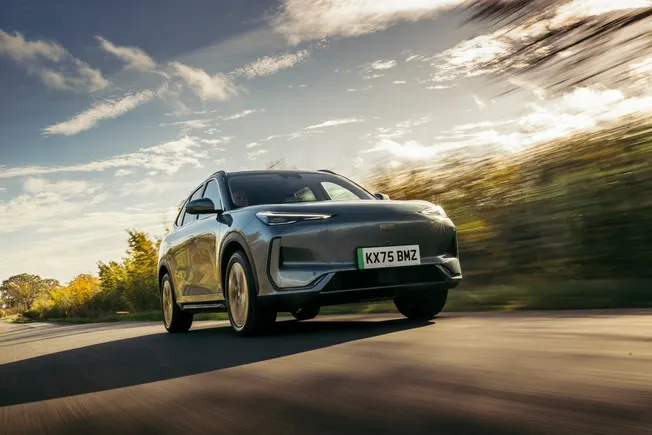
Geely is no longer a regional player testing international waters. It is executing a coordinated global expansion with real manufacturing footprints outside China.
Canada becomes the first market in North America where that strategy can play out at scale. Wu said the company is entering with a “long-term commitment,” which in practice means finding dealership partners, establishing service infrastructure, and getting vehicles certified to Canadian safety standards. Ottawa has pledged to help streamline that certification process.
The political risk is real. Canada’s trade deal with China drew criticism from U.S. officials who see it as undercutting a unified Western stance on Chinese industrial overcapacity. If relations between Washington and Ottawa sour further, Geely’s Canadian operation could become a flashpoint.
But for now, the math favors Geely. Canada has aggressive EV adoption targets and a consumer base hungry for affordable options. Legacy automakers have been slow to deliver sub-$35,000 electric vehicles in meaningful volume. Geely’s portfolio, built on years of aggressive investment in battery and powertrain technology, is designed to fill exactly that gap.
Geely Auto Canada said it will release details on its first models, pricing, and retail locations as commercial launch approaches next year. No specific vehicles have been named, though the Geely EX5 electric SUV has been prominently featured in company materials.
The automaker that owns Volvo, Polestar, and Lotus is about to park its own badge in Canadian driveways. Whether that becomes a template for broader North American access depends on factors well beyond any car company’s control.

Share this Story