
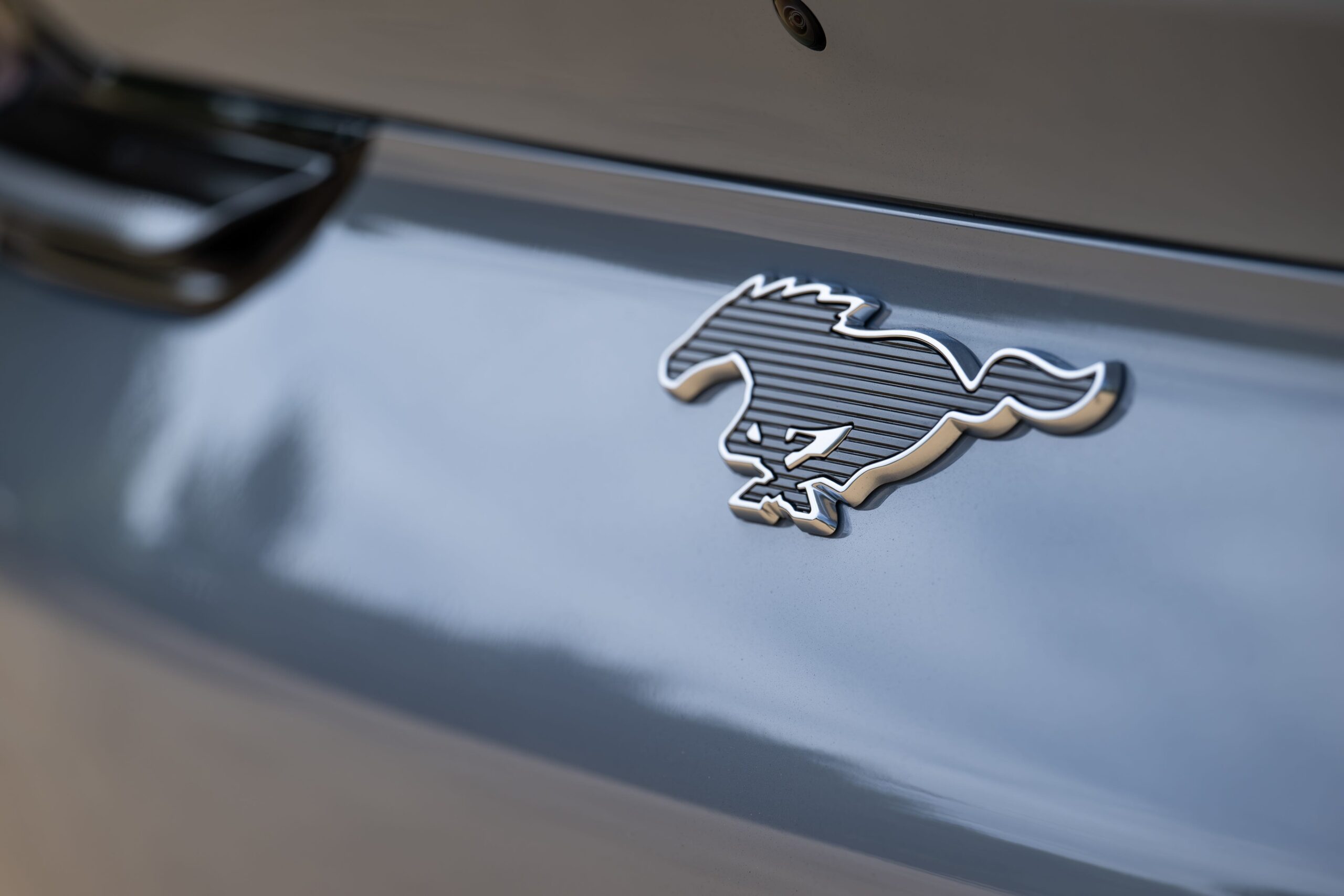


A San Diego man wants his cut. Jason Bullock filed a class-action lawsuit against Ford on July 9 in Michigan federal court, claiming the automaker owes customers a share of the roughly $1.3 billion in tariff refunds heading back to Dearborn from the federal government.
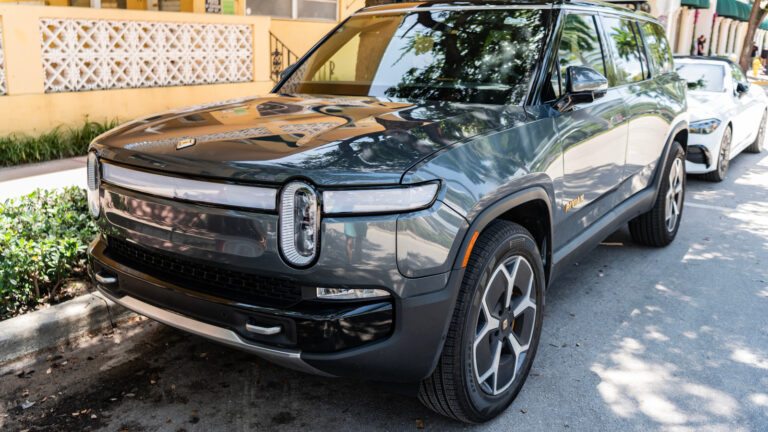
The logic is straightforward, even if the legal path isn’t. Ford raised prices and hiked destination charges on vehicles like the Mustang Mach-E, built in Mexico, to offset import duties imposed under the Trump administration’s tariff policy. Customers paid those inflated prices.
Then the U.S. Supreme Court struck down the tariffs, ruling the International Emergency Economic Powers Act doesn’t grant the president authority to unilaterally tax imports. The federal government agreed to refund the illegally collected duties. Ford gets its $1.3 billion back, and Bullock wants to know where his piece is.
The lawsuit reads: “If Ford retains the tariff refunds while also retaining the tariff-related price increases paid by consumers, Ford will receive a double recovery and unjust windfall.” That’s the crux of it. The allegation is that Ford collected extra money from buyers to cover costs that are now being reversed, and keeping both the customer’s money and the government’s refund amounts to getting paid twice.
It’s a clean argument on paper. In practice, it opens a door that extends well beyond the auto industry. Nike, Amazon, and Costco are all facing nearly identical lawsuits from customers making the same claim: you raised prices because of tariffs, the tariffs got killed, you got refunded, now give us our money back.
Whichever case reaches a verdict first will likely set the template for every other one in the queue. Ford isn’t the only automaker watching this closely. GM announced earlier this year that it expects a $500 million tariff rebate of its own, and any precedent set in the Ford case would immediately ripple across Detroit and beyond.
The uncomfortable reality for Ford is that pricing decisions aren’t surgical. When the tariffs hit, Ford didn’t just add a line item labeled “tariff surcharge” to the window sticker. It baked the costs into base prices and destination fees, mechanisms that are deliberately opaque to buyers.
Unwinding that math in court, proving exactly how much of a given price increase was tariff-driven versus market-driven or margin-driven, is where this gets messy. Ford has a reasonable counterargument waiting. Automakers absorb costs constantly, from commodity swings to supply chain disruptions, and don’t issue refunds when those costs recede.
But Bullock’s lawyers aren’t arguing normal market dynamics. They’re arguing that these specific costs were imposed by an illegal government action, refunded by the government as a direct consequence, and therefore the downstream consumer impact should be reversed too. It’s a theory of unjust enrichment, not buyer’s remorse.
Ford has not publicly commented on the suit. But with parallel cases stacking up across industries and a Supreme Court decision already on the books invalidating the underlying tariffs, this isn’t a nuisance filing that quietly disappears. The question isn’t whether companies profited from now-illegal tariffs, but whether customers have any legal right to claw that profit back.
The answer will reshape how every major company in America handles the next trade war.
Share this Story