
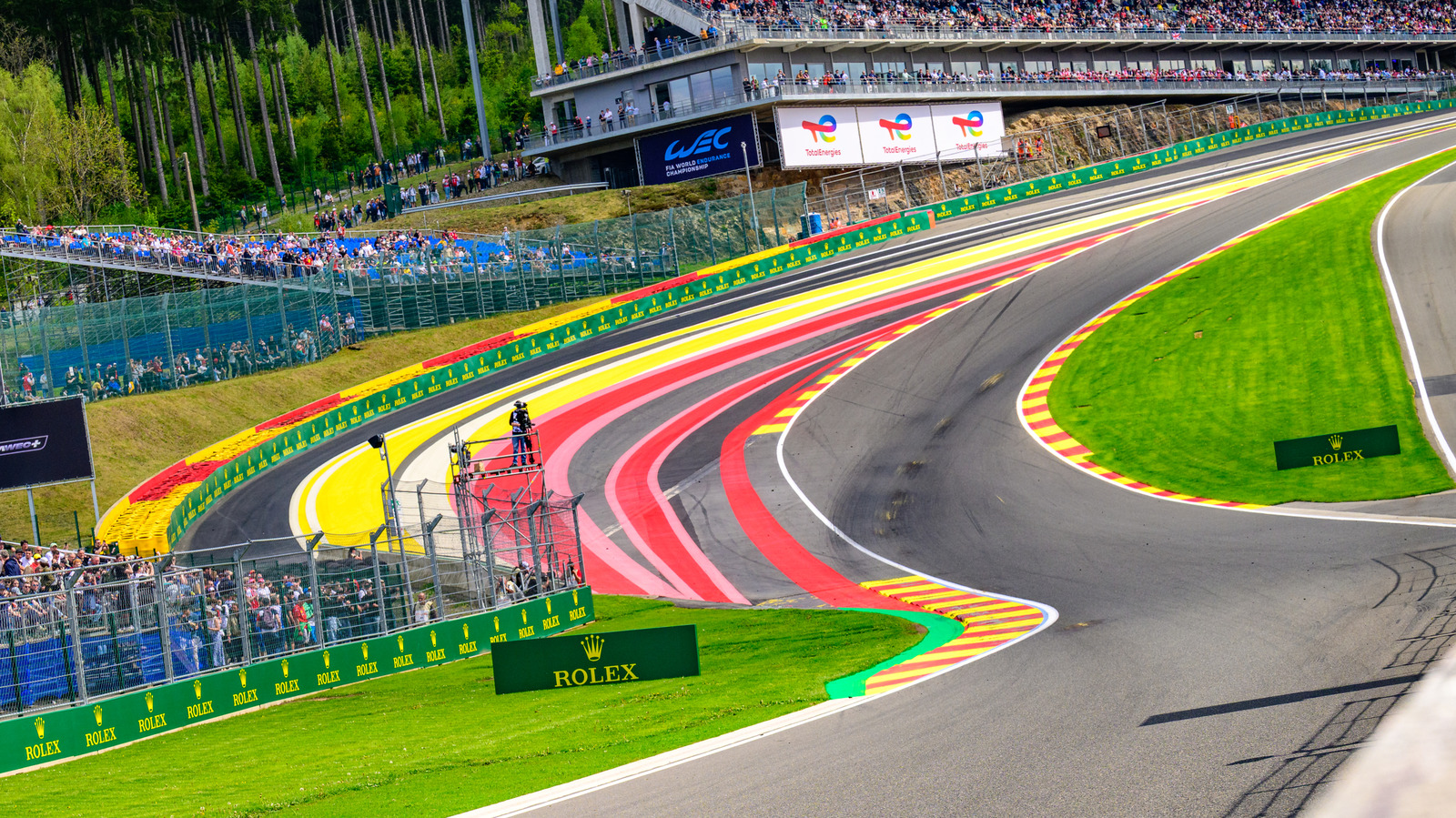


Formula 1 fans are tired of racing in parking lots and parking garages dressed up as Grand Prix venues. When Jalopnik asked readers which tracks should return to the F1 calendar, the answers landed like a collective indictment of the sport’s recent venue strategy. Stop chasing sovereign wealth fund money and go back to places that actually matter.
The responses read like a love letter to circuits that earned their reputations through decades of drama, not through construction contracts signed eighteen months before the green flag. Nürburgring. Imola. Indianapolis. Detroit. Kyalami. Le Mans. Every suggestion dripped with the same subtext — F1 has traded character for cash.
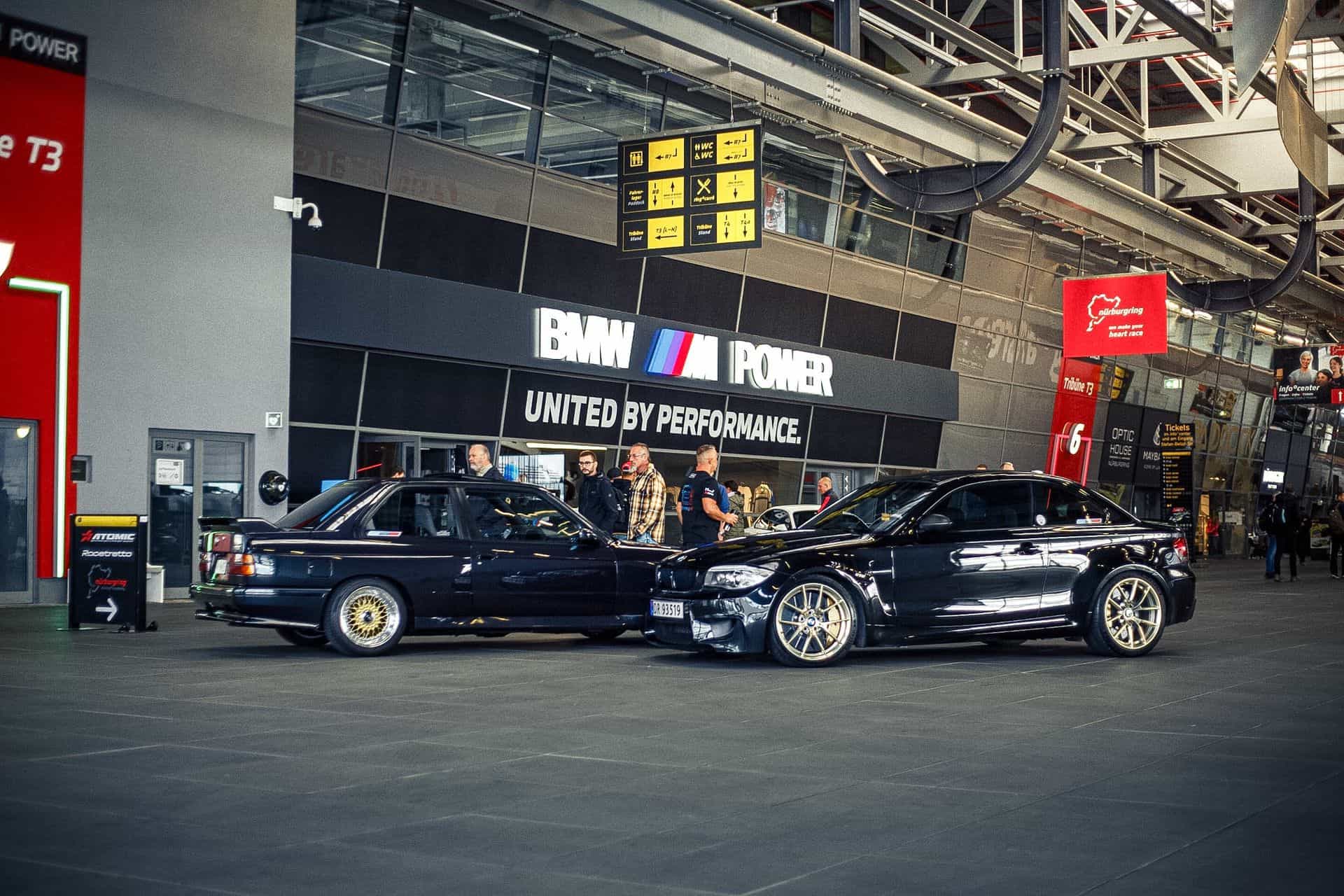
Germany, a country that produced Michael Schumacher and Sebastian Vettel, doesn’t have a Grand Prix. That fact alone tells you everything about where the sport’s priorities sit. Readers wanted either the Nürburgring or Hockenheim back, with one commenter half-joking about a Nordschleife time attack setting the grid. Unsafe? Absolutely. But the enthusiasm says something about how sterile the current calendar feels.
Imola drew perhaps the most passionate defense. One reader who attended the final race there described the intimacy of a circuit removed from a major city, the aging charm of the facilities, and Tifosi energy that made every other fan base look like spectators at a golf tournament. The town square in Imola became a party every night, mixing centuries-old architecture with Red Bull show cars. That’s organic. You can’t manufacture it in a desert.
The suggestion of one surprise track per season — Laguna Seca one year, Nürburgring the next — was cheeky but pointed. Someone even floated Talladega. The underlying argument is serious: if every team starts from zero on an unfamiliar layout, you strip away the advantage of endless simulation data and put driving talent back at the center.
Indianapolis came up as a direct shot at Miami. The road course at the Brickyard isn’t perfect, but as one reader noted, it’s a beautiful facility with actual history. Miami’s race, by contrast, exists because someone figured out how to charge $500 for a view of a fake marina. Roger Penske’s stewardship of Indianapolis was cited approvingly, which is something considering how protective open-wheel fans are of that place.
The call for a superspeedway race — maybe swapping COTA for Daytona — harkened back to when the Indianapolis 500 counted for World Championship points. It’s a reminder that F1 used to be adventurous enough to let its cars run flat-out on American ovals. Now it can barely muster the courage to race anywhere that doesn’t come with a government subsidy.
Detroit and Kyalami rounded out the list. One represents gritty American street racing from the 1980s. The other represents an entire continent F1 has ignored despite Lewis Hamilton’s public advocacy for a South African Grand Prix.
The thread connecting every answer is the same. Fans want circuits where the track itself is a character in the story, not a backdrop for a hospitality package. They want places where the walls bite, the elevation changes surprise, and the local culture seeps into every corner of the weekend.
Liberty Media has expanded the calendar to 24 races and counting, yet somehow the schedule feels smaller. More events, fewer memorable ones. The fans see it clearly. They’re not asking for nostalgia — they’re asking for substance. There’s a difference, and it’s one the sport’s commercial arm seems increasingly unwilling to recognize.
Share this Story