
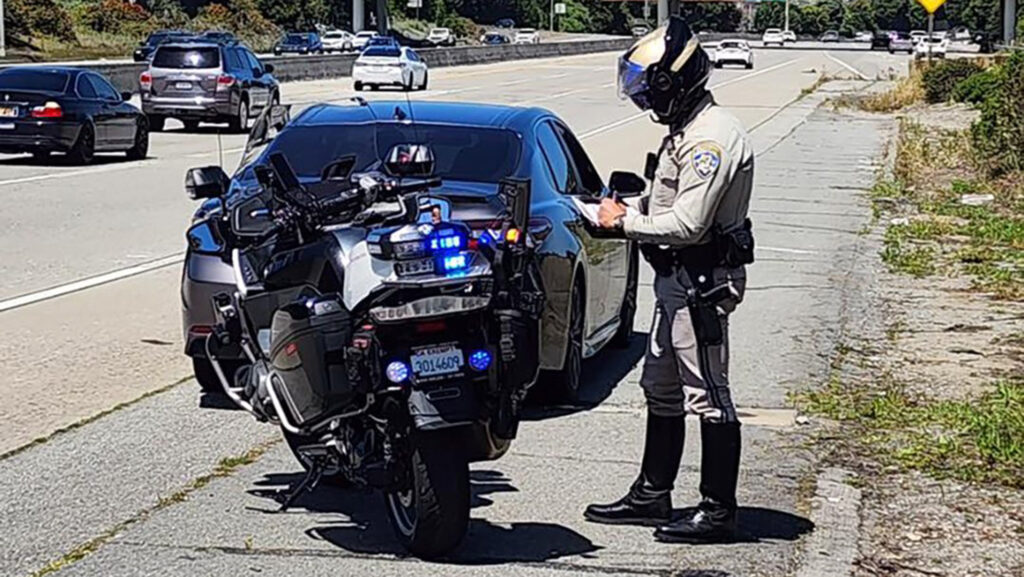


The California Highway Patrol wrote 11,767 speeding tickets in a single day. Two hundred of those drivers were clocked above 100 mph. And for that fastest group, the consequences now go far beyond a fine.
The enforcement surge ran from 6 a.m. on April 28 to 5:59 a.m. on April 29, saturating freeways statewide. Officers logged 19,564 total citations and another 2,807 warnings across 23,087 enforcement actions. The sheer volume of speeding stops — more than one every eight seconds — paints a picture of a state that cannot take its foot off the gas, literally or figuratively.
CHP Commissioner Sean Duarte framed it bluntly: “Speeding continues to be one of the leading causes of serious and fatal crashes on California’s roadways.” The agency’s own 2025 data backs him up — unsafe speed contributed to more than 110,000 crashes and 400 deaths statewide last year.
The 200 drivers caught north of triple digits are now facing something new. Under the pilot program called Forwarded Actions for Speeding Tickets — FAST — those citations are automatically routed to the DMV’s Driver Safety Branch. No waiting for a court date. No hoping the ticket gets lost in the system. The DMV can expedite a review and move to suspend or revoke a license without a traditional court proceeding.
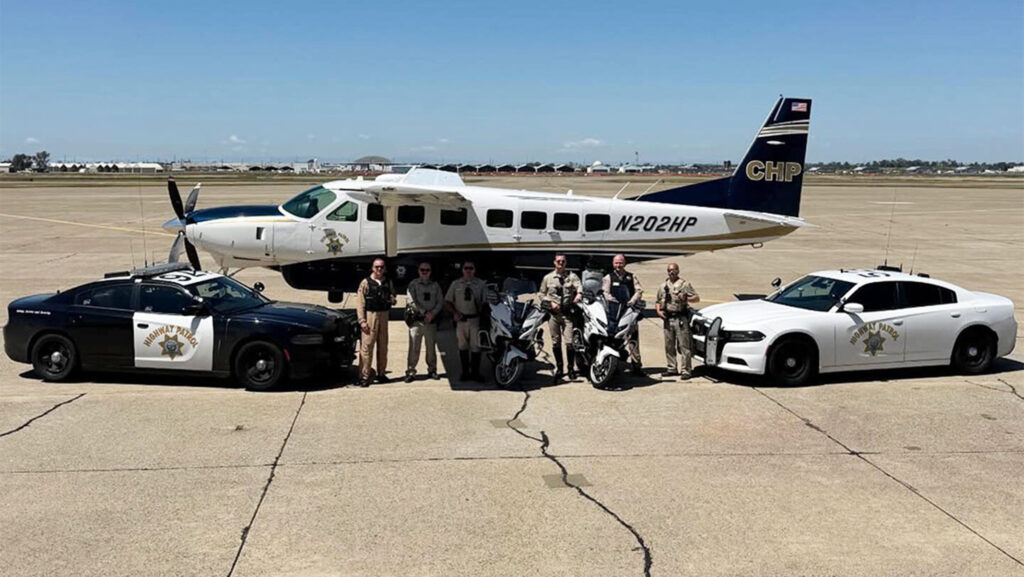
That’s a serious escalation. California has long treated excessive speed as a moving violation with escalating fines. Now the state is building an administrative pipeline that bypasses the courtroom entirely for the worst offenders. Whether that survives legal challenges remains to be seen, but the intent is unmistakable: drive 100-plus on a California freeway and you might not drive at all for a while.
The financial sting extends well beyond the ticket itself. AAA spokesperson Kandace Redd pointed out what every driver already suspects but few bother to calculate: a single speeding violation can jack insurance premiums by 26 to 40 percent. On a California policy that already runs thousands annually, that’s real money compounding over years.
None of this happened in a vacuum. The CHP telegraphed the operation days in advance. Officers publicly announced the crackdown. Media outlets ran the warnings. And still, nearly 12,000 drivers got caught speeding in a 24-hour window. Two hundred of them thought 100 mph was a reasonable idea on roads where patrol cars were, by design, everywhere.
That disconnect between warning and behavior is the real story. The CHP can flood freeways with officers and issue citations at industrial scale. It can fast-track license suspensions for the most reckless. But if a single well-publicized enforcement day still produces these numbers, the underlying problem isn’t a lack of tickets. It’s a driving culture that treats speed limits as suggestions and consequences as something that happens to other people.
California has tried education, engineering, and now aggressive enforcement paired with administrative punishment. The state is clearly betting that the threat of losing a license — quickly, without the slow grind of traffic court — will change minds where fines alone have failed. The 2025 crash data will eventually tell us whether that bet paid off.
For now, the numbers speak for themselves: one day, one state, nearly 12,000 speeders, and a government apparatus that is done asking nicely.




Share this Story