
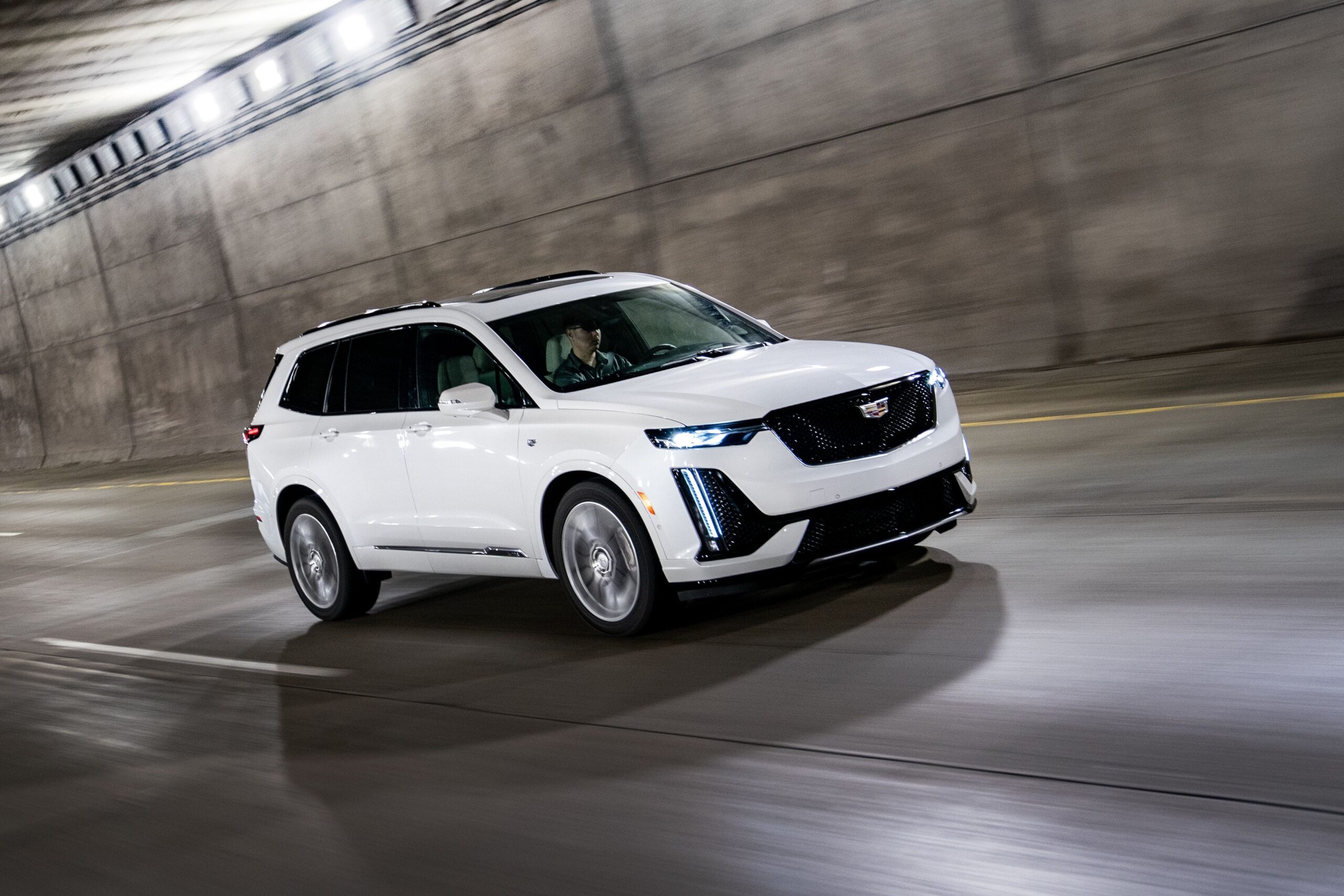


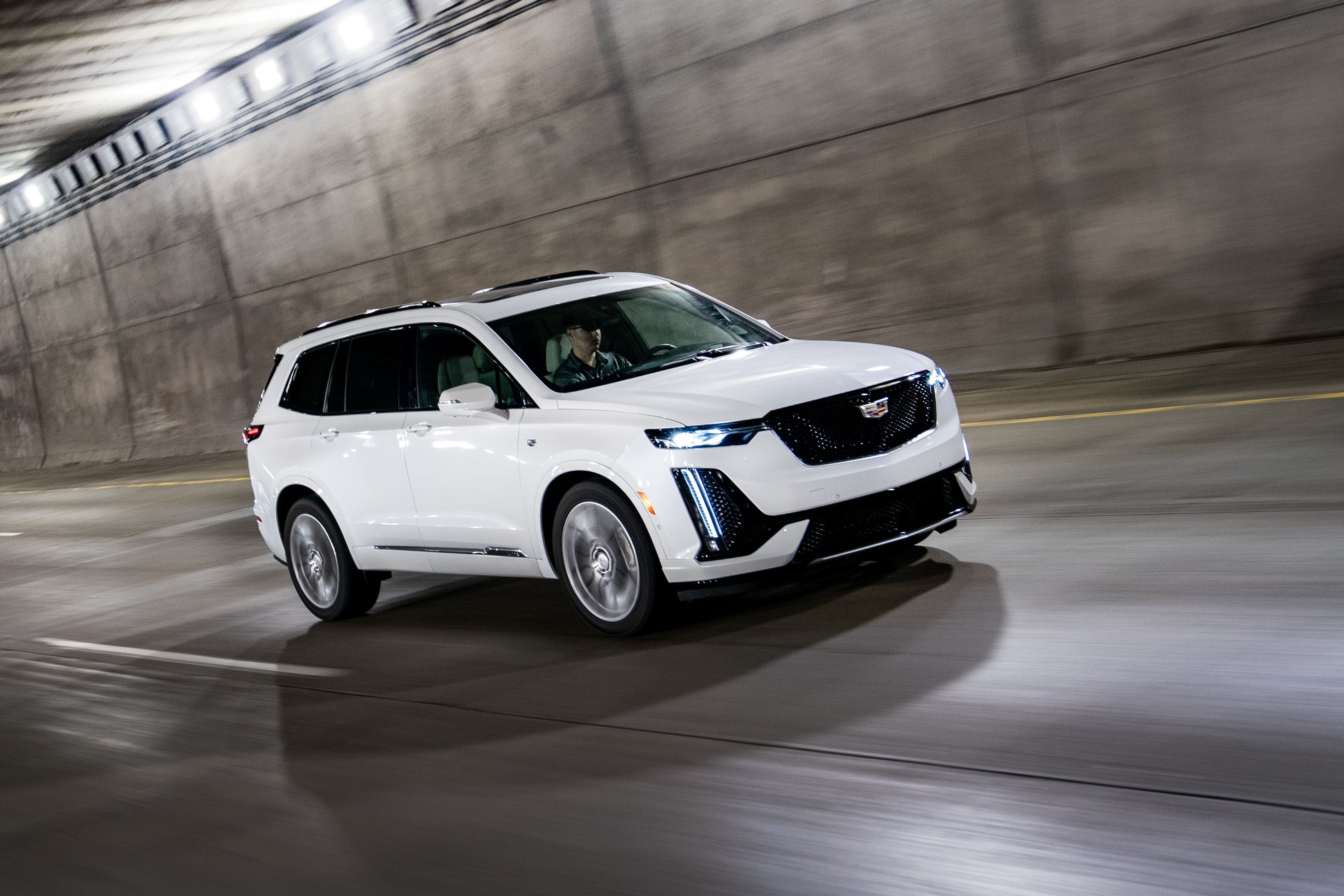
Cadillac sold roughly 20,000 XT6 SUVs in the nameplate’s final full year. Then it axed the three-row crossover after the 2025 model year, pointing customers toward the electric Vistiq as the future. The Vistiq moved 7,879 units in all of 2025.
Through the first half of 2026, it’s on pace to merely match that modest number. So the XT6 is coming back, with a gas engine. Cadillac vice president Kristian Aquilina confirmed it himself on LinkedIn, which is apparently how product strategy gets announced now.
No timeline. No powertrain details. No images. Just the admission that killing a proven seller to force customers into a slower-selling EV replacement didn’t work out as planned.
The math here is brutal. The XT6, a perfectly competent if uninspiring mid-size three-row, outsold its electric successor by roughly two and a half to one. Cadillac bet that luxury buyers shopping in the $55,000-to-$65,000 range would enthusiastically trade pistons for a battery pack, and those buyers responded by walking across the showroom or across the street entirely.
This is the same Cadillac that declared, with considerable fanfare, that it would become an all-electric brand by the end of the decade. That commitment has eroded in stages, each one framed as pragmatism rather than retreat. First came the confirmation that the CT5 sedan would get a next generation with internal combustion.
Then the XT5 was greenlit for a full 2027 redesign, gas engine intact. Now the XT6 resurrection. The pattern isn’t subtle.
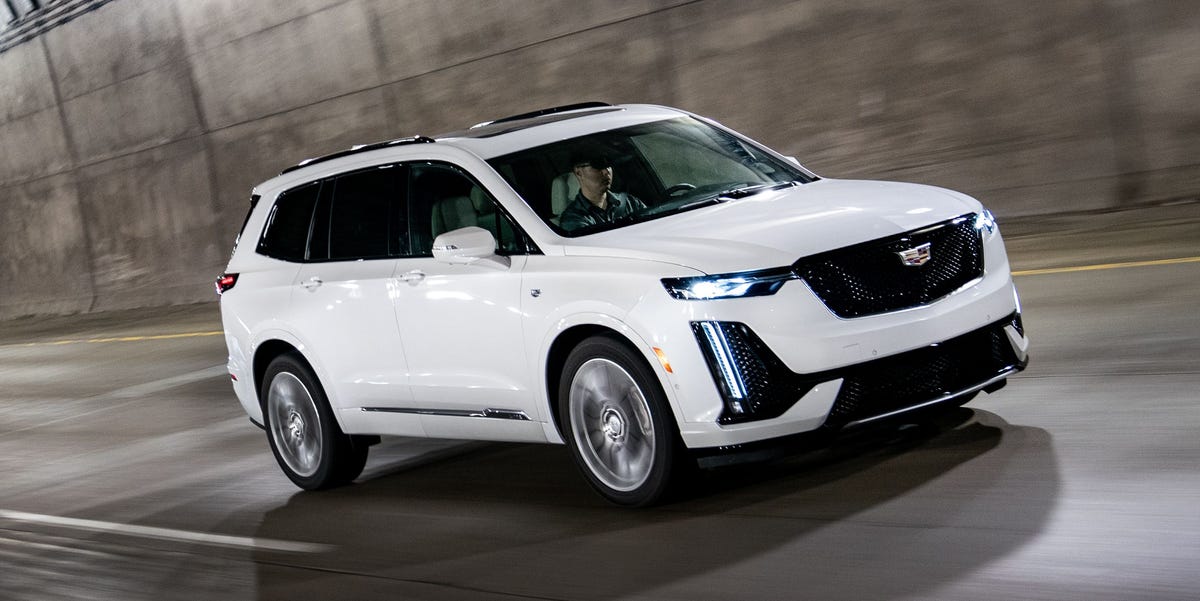
When the revived XT6 does arrive, sometime after the new XT5 launches next year, Cadillac will be selling at least four three-row SUVs simultaneously. The Escalade, the Escalade IQ, the Vistiq, and the XT6. That’s a crowded house for a brand that moves fewer total vehicles annually than the RAV4 does by itself.
The deeper question is what the XT6’s return says about the Vistiq’s internal standing. Cadillac isn’t pulling the electric model, not yet. But slotting a gas-powered competitor right next to it in the showroom is a remarkable concession.
It tells dealers, and more importantly tells buyers, that Cadillac knows the EV transition isn’t happening on its original schedule and isn’t going to pretend otherwise. General Motors has been more willing than most legacy automakers to publicly adjust its EV ambitions. The Ultium platform rollout has been rocky.
The Blazer EV and Equinox EV have had their own growing pains. But Cadillac was supposed to be the tip of the spear, the brand that proved GM could build desirable electric vehicles that justified premium prices. Bringing back the model you killed to make room for your flagship EV undercuts that narrative in a way no quarterly earnings call can smooth over.
None of this means the Vistiq is a bad vehicle. Early reviews have been broadly positive. But positive reviews don’t move metal when the buyer in your showroom wanted a gas-powered three-row at a familiar price point and you told them to look elsewhere.
Enough of those buyers apparently looked elsewhere permanently. Cadillac isn’t abandoning EVs. It’s abandoning the idea that EVs alone can sustain its volume.
There’s a meaningful difference between those two positions, and the XT6’s return is the clearest evidence yet that the brand’s leadership knows it. The all-electric future Cadillac once promised is still coming. Just not this decade, and probably not the way anyone originally drew it up.

Share this Story