
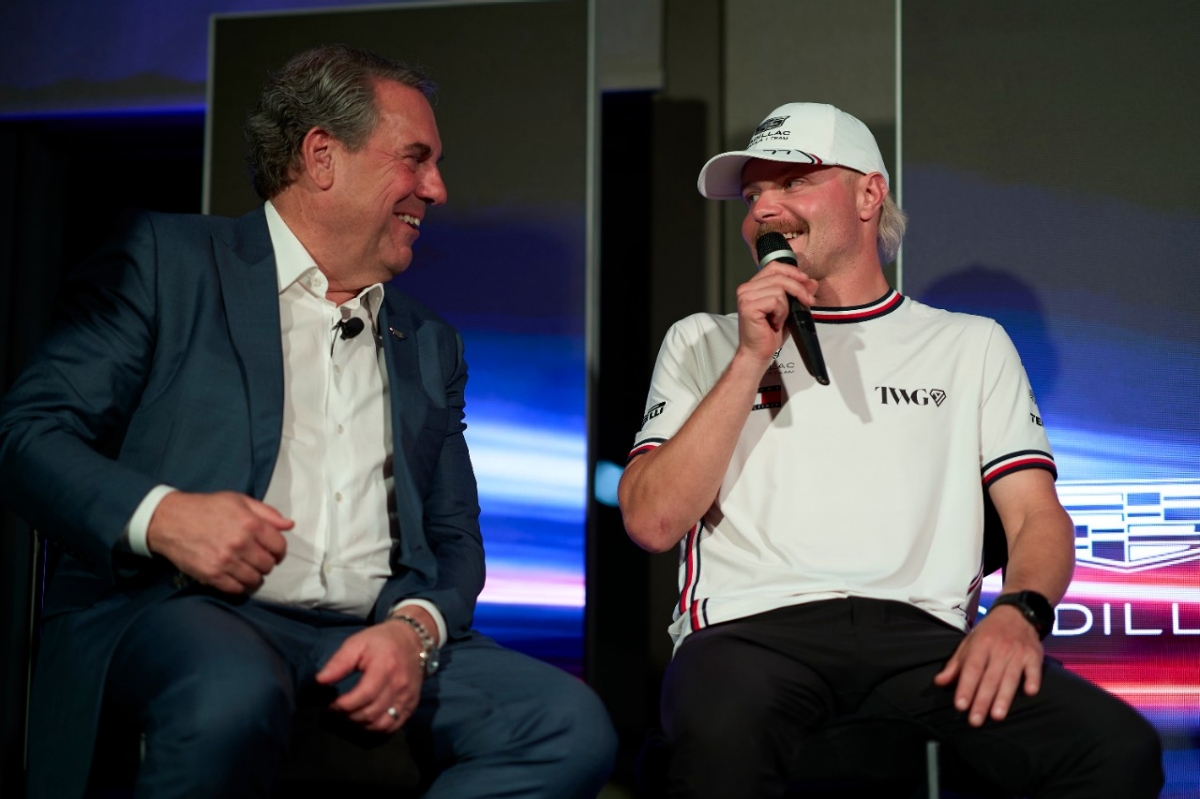


Eighteen years ago, Mark Reuss was in Melbourne running GM’s Australian business while Detroit was melting down. Last Friday, he was back at Albert Park — this time watching two Cadillac-branded Formula 1 cars turn laps for the first time in a Grand Prix weekend. The symmetry wasn’t lost on him, and neither was the gap between ambition and reality.
Cadillac’s debut at the Australian Grand Prix carried all the weight of history and all the fragility of a brand-new operation. Both cars lost wing mirrors during the first practice session. Sergio Perez’s car suffered what appeared to be an engine issue in FP2, costing him critical track time.
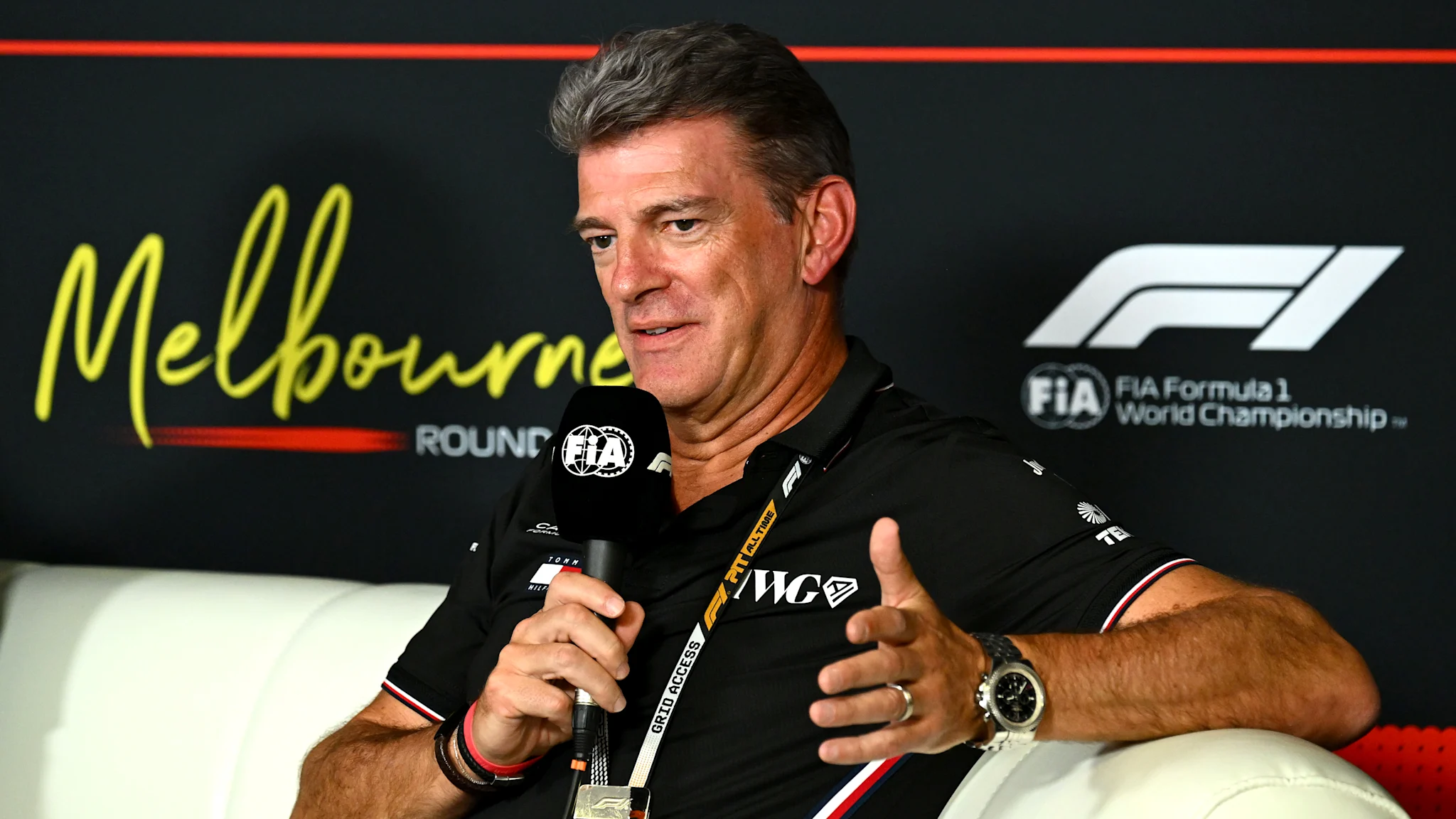
The team had never run two cars simultaneously before Friday — regulations only permit one during testing — and it showed. Team Principal Graeme Lowdon, a veteran of F1’s unforgiving lower grid from his Manor Racing days, was characteristically measured. It was very hectic because it’s the first time we’ve ever run two cars,” he said.
He called the lost mirrors “the kind of problems that we can iron out,” which is the polite version of saying they’re embarrassing but survivable.
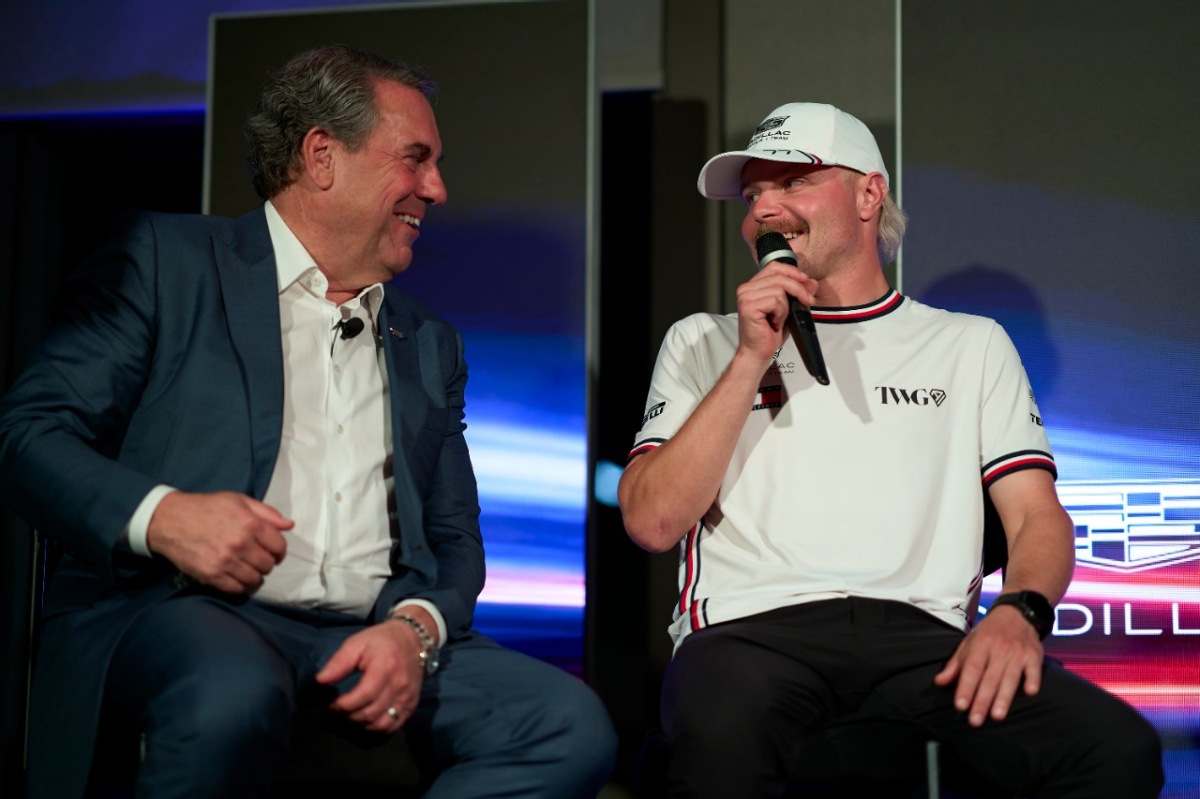
There were bright spots. Valtteri Bottas, the former Mercedes race winner now carrying Cadillac’s hopes at age 36, finished FP1 ahead of Alpine’s Pierre Gasly. That single data point sent a tiny jolt through the paddock, though Lowdon was careful not to let anyone run with it.
“There’s a general lack of confidence in everyone,” he said. “It’s FP1 and nobody knows really where they’re at.”
The team arrived in Melbourne with their first set of upgrades already bolted to the car, a signal that the development pipeline is at least functioning. That pipeline stretches across four locations — Indianapolis, Charlotte, Silverstone, and an operation in Indiana — co-owned with TWG Global’s Dan Towriss. Cadillac will become the first American full-works team in F1 once their own power unit comes online in 2028, but for now they’re running Ferrari engines, which makes the “American works team” label more aspiration than fact.
Reuss published a personal dispatch from Melbourne that read less like a corporate memo and more like a letter to his late father. He recalled standing at Turn One at Indianapolis as a child, the engine noise sending a tingle down his spine. “If he were still with us, Dad would be absolutely thrilled,” Reuss wrote.
The sentiment was genuine. So was the careful expectation management woven throughout: “This is going to be hard. We don’t know exactly where we stand because we’ve never run a race.”
Perez, the former Red Bull driver whose career arc has bent sharply downward since his 2023 peak, was blunt about Friday’s problems. “We couldn’t get any long-running in, which was important,” he said. “It’s very important to stop having these little issues that are costing us a lot of track time.” He needs a clean FP3 just to gather baseline data for qualifying — not exactly the stuff of championship dreams, but that’s life at the back of the grid.
The F1 paddock has seen this movie before. New teams arrive with deep pockets, bold language, and genuine passion. Some — like Haas — find a way to survive and occasionally punch above their weight. Others — like Caterham, HRT, and Marussia — burn through cash and goodwill before vanishing entirely.
Lowdon ran one of those teams. He knows the mortality rate.
Cadillac’s advantage is General Motors, a company with $170 billion in annual revenue and a stated long-term commitment. Their disadvantage is everything else: no institutional F1 knowledge base, no proprietary power unit yet, facilities still being built out, and a grid full of teams that have spent decades perfecting the dark art of going fast.
Lowdon said there’s nowhere to hide in Formula 1. He’s right. The clock started in Melbourne, and the whole world is watching two cars that can’t keep their mirrors on.
Share this Story