
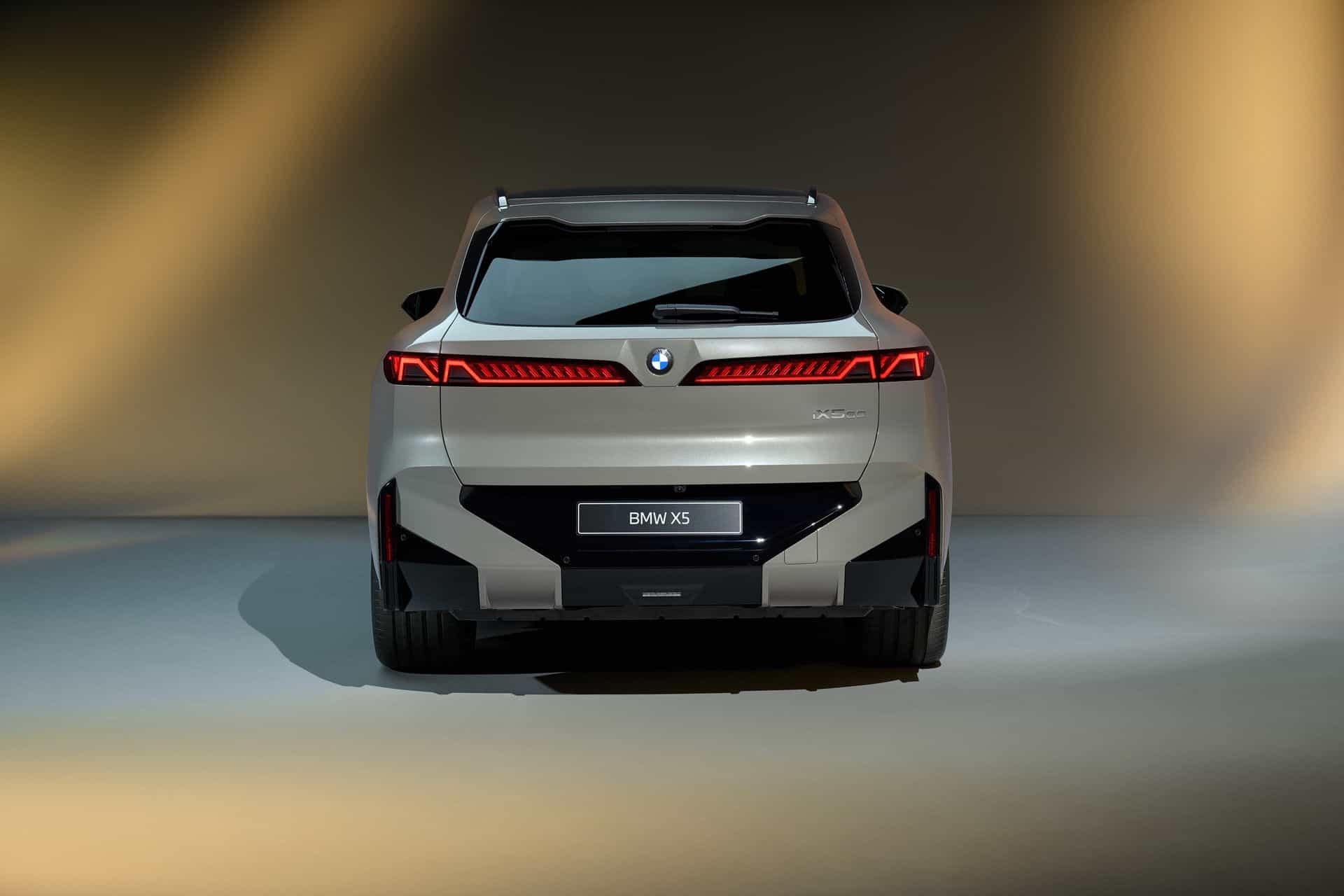


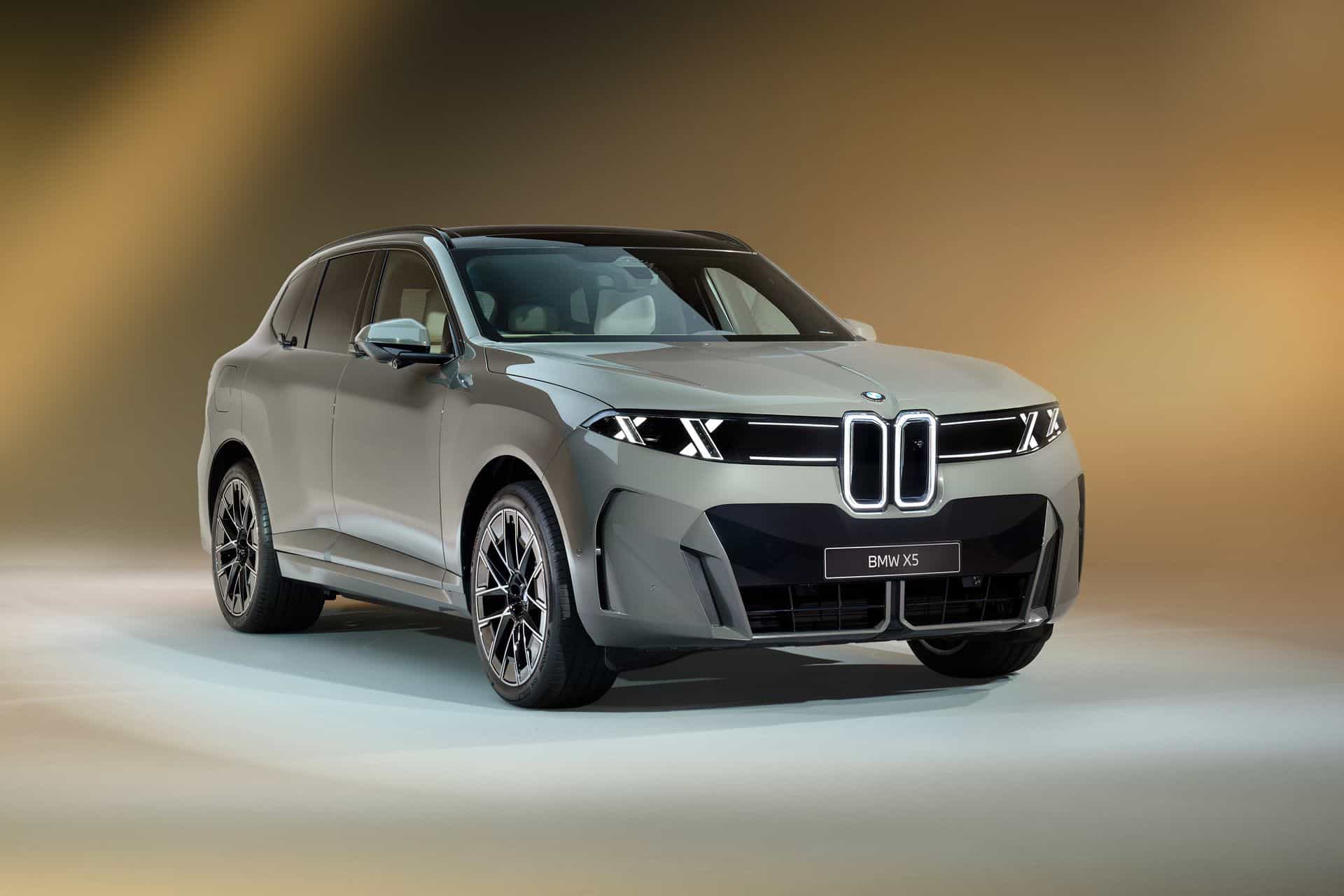
BMW quietly moved the goalposts on its own electric X5, and for once, nobody is complaining. The iX5 60 xDrive, originally estimated at 435 miles of EPA range, is now expected to deliver 450 miles on a full charge. That revised number came straight from BMW’s product manager for luxury vehicles, John Kelly, during the fifth-generation X5 launch event in California.
The official EPA rating hasn’t been stamped yet. Kelly told InsideEVs it should arrive in the coming weeks. But if BMW lands anywhere near that 450-mile figure, the iX5 will sit in rare company among electric SUVs, especially one that tips the scales at more than 6,200 pounds.
The hardware doing the heavy lifting is a 144-kWh battery pack, the largest BMW has ever dropped into a production vehicle. It uses Gen6 cylindrical cells that BMW says offer 20 percent higher energy density than the prismatic cells found in earlier EVs from Munich. That’s a deliberate technology shift, and the range numbers suggest it’s paying off.
Then there’s the anecdote that makes the spec sheet feel almost conservative. A pre-production iX5 recently drove from San Francisco to Newport Beach, roughly 500 miles, on a single charge. It arrived with an estimated 50 miles still in the tank.
That implies a theoretical ceiling around 550 miles, though BMW hasn’t disclosed average speeds, elevation changes, or how aggressively the driver was hypermiling. Replicating that in daily use with highway speeds and climate control running is a different conversation entirely.
Most EVs lose range once they leave the controlled test environment. This one apparently found more. That kind of margin gives buyers breathing room that few competitors can match right now.
BMW has priced the iX5 at $81,250 including destination, before options. Deliveries begin in the first quarter of 2027. There is no third-row option, so if you want seven seats from BMW’s electric lineup, you’ll need to wait for the iX7.
The iX5’s arrival also kills the current iX in the U.S. market. BMW has already ended allocations for the model domestically, though it will remain on sale in other regions through mid-2028. The iX was BMW’s first real swing at a dedicated electric SUV, and its awkward styling and middling range never quite connected with American buyers the way Munich hoped.
The iX5, built on a platform customers already know and trust, is the replacement strategy in everything but name. BMW is also reportedly eyeing an even larger SUV for North America, potentially badged X9, though that project hasn’t received a formal green light.
The real test comes when the EPA publishes its official number. BMW’s track record with range estimates has been mixed over the years, sometimes optimistic, sometimes cautious. If the production iX5 lands at or above 450 miles, it will force Mercedes, Audi, and Cadillac to answer a question none of them are currently equipped to handle.
Share this Story