


Jake Casperson bought a Ford F-150 in Canada on a ski trip in 2017 because the exchange rate looked good. Nine years later, he runs 11 dealerships, an auto auction, and a reconditioning operation pushing 200 cars a month.
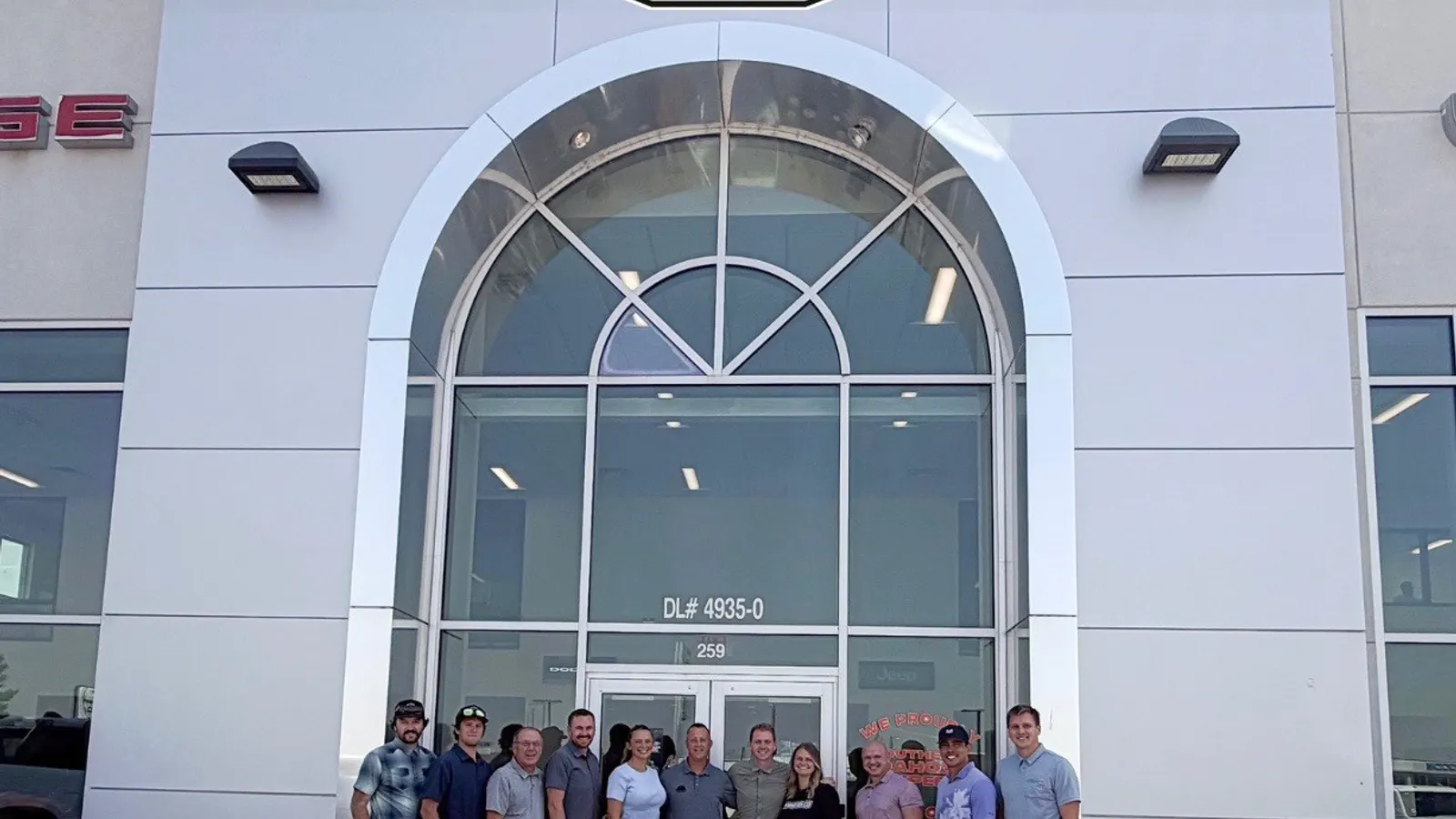
On July 27, his Mountain West Auto Group picked up two more stores, a Chrysler Dodge Jeep Ram franchise and a GMC franchise in Burley, Idaho, from Young Automotive Group. The deal quietly illustrates a pattern rippling through auto retail: big groups shedding small-town stores that don’t move the needle, and hungry newcomers snapping them up.
Young Automotive, with roughly 20 new-car franchises across Utah and Idaho, treated the Burley stores as a portfolio management exercise. Jonny Mecham of Performance Brokerage Services, who represented Young in the deal, didn’t sugarcoat it. He called the sale “almost like a nuisance, you know, to get it done in order to do other stuff.”
That candor says plenty about how large groups view small-market stores. The previous owners weren’t “tearing it up” in Burley, Mecham said. Casperson was blunter. In a town of 12,500, “the community talks,” he said, and residents felt the prior operation “was very much about money and not about that local feeling.”
Mountain West, headquartered in Logan, Utah, now counts four new-car franchises and seven independent used-car lots across Idaho and Utah. The Burley acquisition fits a tight geographic strategy. Casperson already owns CDJR and Ford stores in Preston, Idaho, three minutes from the Utah border.
He has independent lots in Twin Falls, less than an hour from Burley. His wife is from the town.
But new-car sales are almost a sideshow in Casperson’s operation. The real engine is a vertically integrated used-car machine that starts in Canada and touches nearly every link in the chain.
Mountain West still imports U.S.-manufactured vehicles that were originally sold into the Canadian market, dodging tariffs entirely. Casperson built an in-house reconditioning pipeline, including body shops and mechanical shops, after realizing he was hemorrhaging money paying other dealers’ labor rates to prep his wholesale inventory. On January 1, the group acquired East Idaho Auto Auction in Blackfoot to control yet another piece of the supply chain.
Now he’s eyeing logistics. Mountain West already moves vehicles along the I-15 corridor from Blackfoot to Calgary for its own inventory and for outside clients. Formalizing a transport business on a route his trucks already drive is the next logical step.
The fluid inventory model ties it all together. Any salesperson at any Mountain West store can sell any of the group’s thousand-plus vehicles. Given how close the locations are, same-day delivery is standard. Every used car that moves generates fixed-ops revenue in parts, service, and body work.
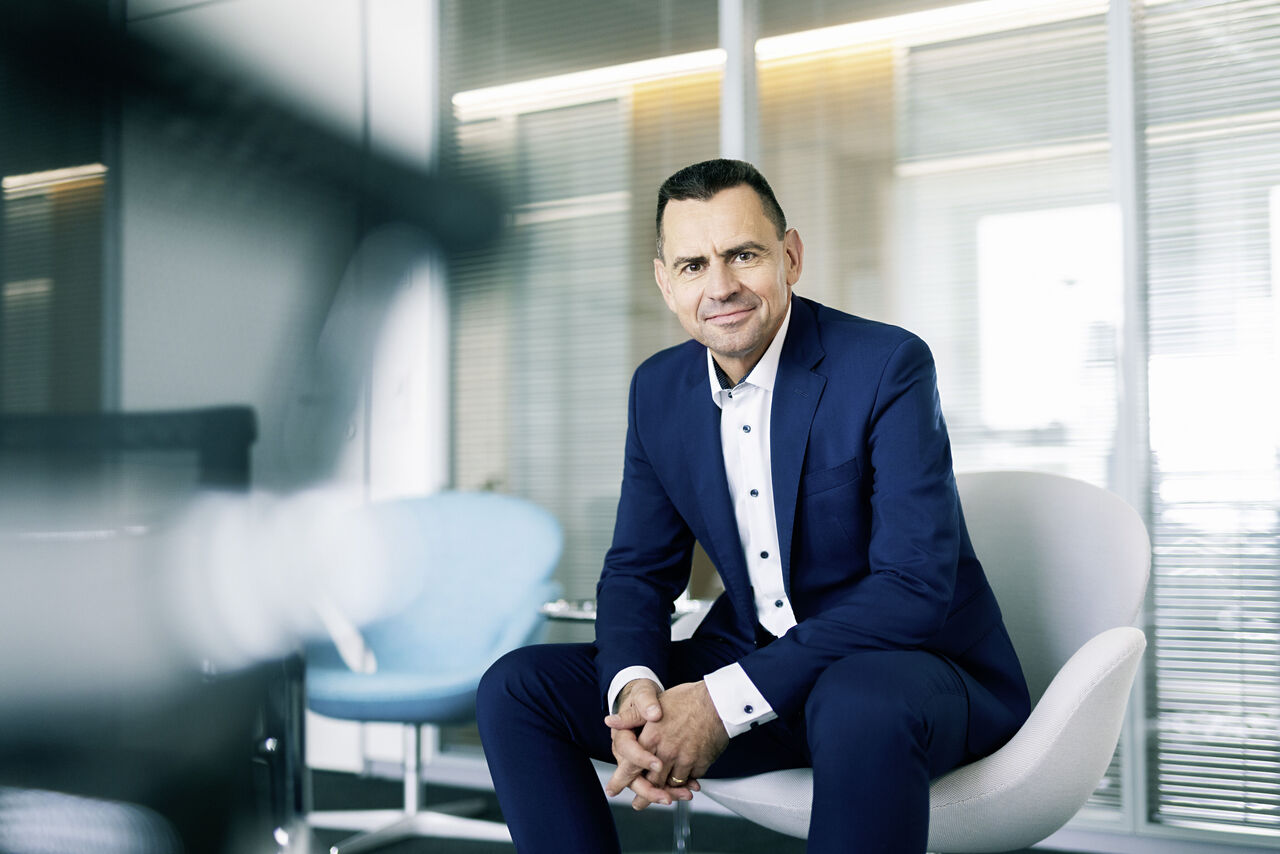
Casperson is 31 years old. He has never worked for another dealer. His three closest friends are his partners. He started this business at 22 with a single truck and an arbitrage opportunity most people would have bragged about at dinner and forgotten.
The big groups keep pruning. Young sold Burley because it didn’t fit the corridor strategy. Sonic Automotive has talked publicly about finding the “sweet spot” in used cars.
Carvana is flourishing as used inventory grows. The industry’s giants are all recalibrating what’s worth owning and what isn’t.
Casperson is building something different from all of them. Not a coast-to-coast empire, not a digital-first disruptor, but a tightly wound regional operation where wholesale, retail, reconditioning, auctions, and soon logistics all feed each other along one 400-mile stretch of interstate.
He says he’s open to more franchise acquisitions but won’t chase them. “New cars is honestly just a part of our business,” Casperson said. “It’s not our main focus by any means.”
The next store he buys will probably be one somebody bigger decided wasn’t worth the trouble.
Share this Story