
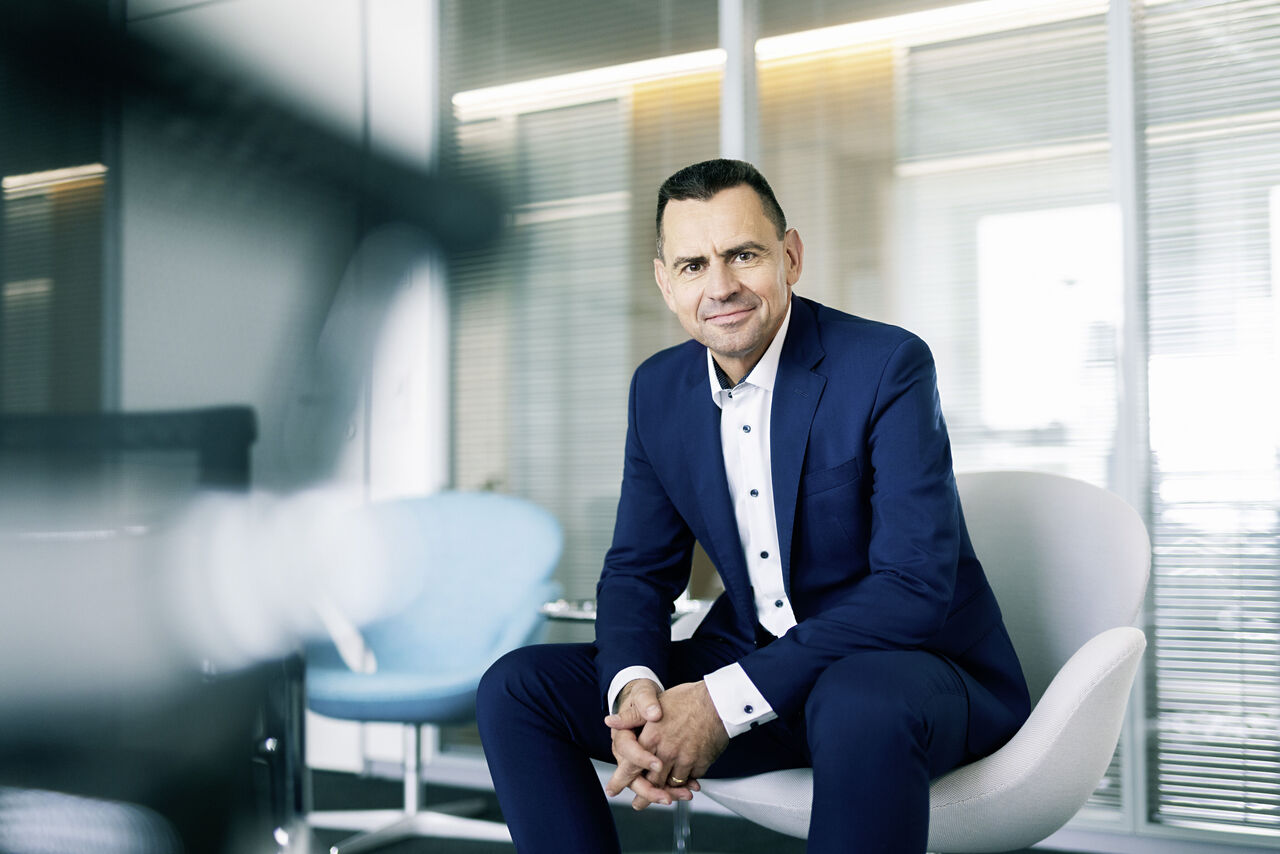


Martin Sander is heading back to Audi. The Volkswagen Group announced Tuesday that Sander, currently running sales and marketing at the VW brand, will take over the same portfolio at Audi effective October 1. He replaces Marco Schubert, who held the job for barely two years before being moved into a newly created role overseeing VW Group’s entire North American region.
The reshuffle is quick, clean, and telling.
Schubert arrived at Audi in September 2024 and presided over what the company calls “one of the largest model initiatives in Audi’s history.” That language, coming from Supervisory Board Chair Manfred Döss, sounds like praise. But pulling a sales boss after just 24 months, right as those new models are supposed to hit showrooms, doesn’t exactly scream continuity.
Sander spent 27 years at Audi before leaving in 2022 for VW’s passenger car brand. He is described as having deep knowledge of the Four Rings and strong networks across the group. In practice, he’s a known quantity being brought back to stabilize what appears to be a sales operation under pressure.
CEO Gernot Döllner’s statement offers the most honest signal. He thanked Schubert, then quickly pivoted to priorities: “Our focus now is on successfully bringing our model initiative to customers and further strengthening Audi in our core markets.” That’s a polite way of saying the cars are ready and the sales machine needs to deliver.
Döllner also credited Schubert with setting “important strategic direction” for Audi’s business in China, including the launch of the new AUDI brand, a joint venture with SAIC aimed at the Chinese EV market. That initiative has been a complicated bet, and whether it pays off remains far from certain.
The Schubert move to North America is equally loaded. The region has become a minefield for European automakers navigating tariffs, shifting consumer preferences, and the political volatility around EV mandates. Giving Schubert a seat on the VW Group’s Extended Executive Committee with direct reporting to CEO Oliver Blume signals that Wolfsburg sees North America as a theater requiring dedicated senior firepower.
It also means the group is pulling experienced leadership away from Ingolstadt to solve problems elsewhere. That’s a resource allocation decision, not just a personnel one.
Jörg Schlagbauer, chair of Audi’s works council, offered the labor perspective with typical German diplomacy. He welcomed Sander as “someone who knows Audi from the ground up” and nodded to the “major challenges in international sales markets.” Works councils don’t flag challenges lightly. When they do, the pressure is real.
The timing matters. Audi is deep into its electric transition, with the Q6 e-tron and A6 e-tron rolling out across markets where EV demand has cooled. Luxury buyers remain skeptical, lease rates are climbing, and competitors from BMW to Chinese upstarts are fighting hard for the same customers.
Sander inherits a product lineup that’s better than it’s been in years, but a market that refuses to cooperate. His job, stripped of corporate pleasantries, is to sell cars that Audi has spent billions developing at a moment when the premium EV segment is anything but certain. He has done it before at Audi. He was doing it at VW. Now he gets to do it again, on a bigger stage, with less room for error.
Schubert, meanwhile, boards a plane for a continent where VW Group has chronically underperformed. Neither man got the easier assignment.
Share this Story