


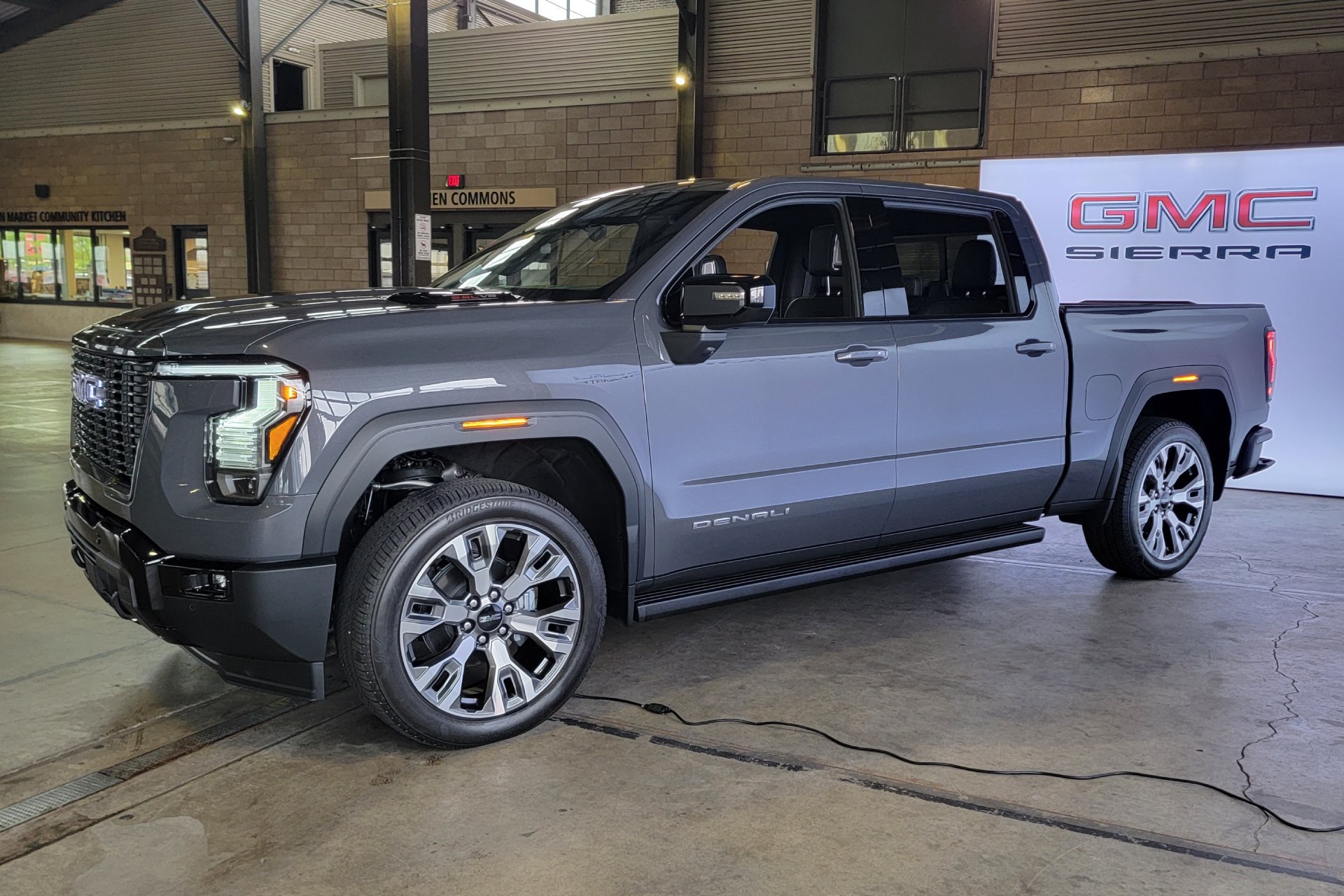
A typical Ford F-150 SuperCrew stretches 230 inches, just over 19 feet. The average attached garage in many parts of the country measures 20 feet deep. Do the math, and you’ll understand why only about a third of Americans with a garage actually park a car in it.
The irony is thick. Vehicles have been ballooning for three decades. Garages, meanwhile, have been quietly shrinking.
The most American feature of the American home is losing the fight against the most American product on American roads.
The culprit is not mysterious. Near urban centers, real estate costs squeeze every dollar out of every square foot. Developers cannibalize garage space to create more livable interior footage, because livable square footage sells houses.
Local building codes often prevent expanding a home’s footprint outward, so the garage gets eaten from the inside.
Then there is the step problem. Attached garages frequently require steps up into the main house, and those steps steal real depth from the space. A garage listed at 20 feet on the builder’s spec sheet might deliver 17 or even 16 usable feet once you account for the landing.
A 20-foot-deep garage can hold a Honda CR-V or Toyota RAV4 with room to walk around it. Barely. Even the shortest Toyota Tacoma on the market stretches nearly 18 feet.
A full-size pickup is out of the question unless you enjoy bumper-to-drywall contact.
But shrinking garages are only half the equation. Where Americans used to stash their seasonal gear and accumulated clutter, there is increasingly nothing. High-pitched roofs with usable attics went out of fashion decades ago.
Modern roof trusses are engineered to hold up the roof, the drywall below, and insulation in between, not boxes of Christmas decorations. Slab-on-grade construction has replaced traditional basements in huge swaths of the country, eliminating another traditional storage reservoir.
All that displaced stuff migrates to the garage. It fills shelves, then corners, then the floor. Within a few years, a two-car garage becomes a one-car garage becomes a no-car garage with a path to the freezer.
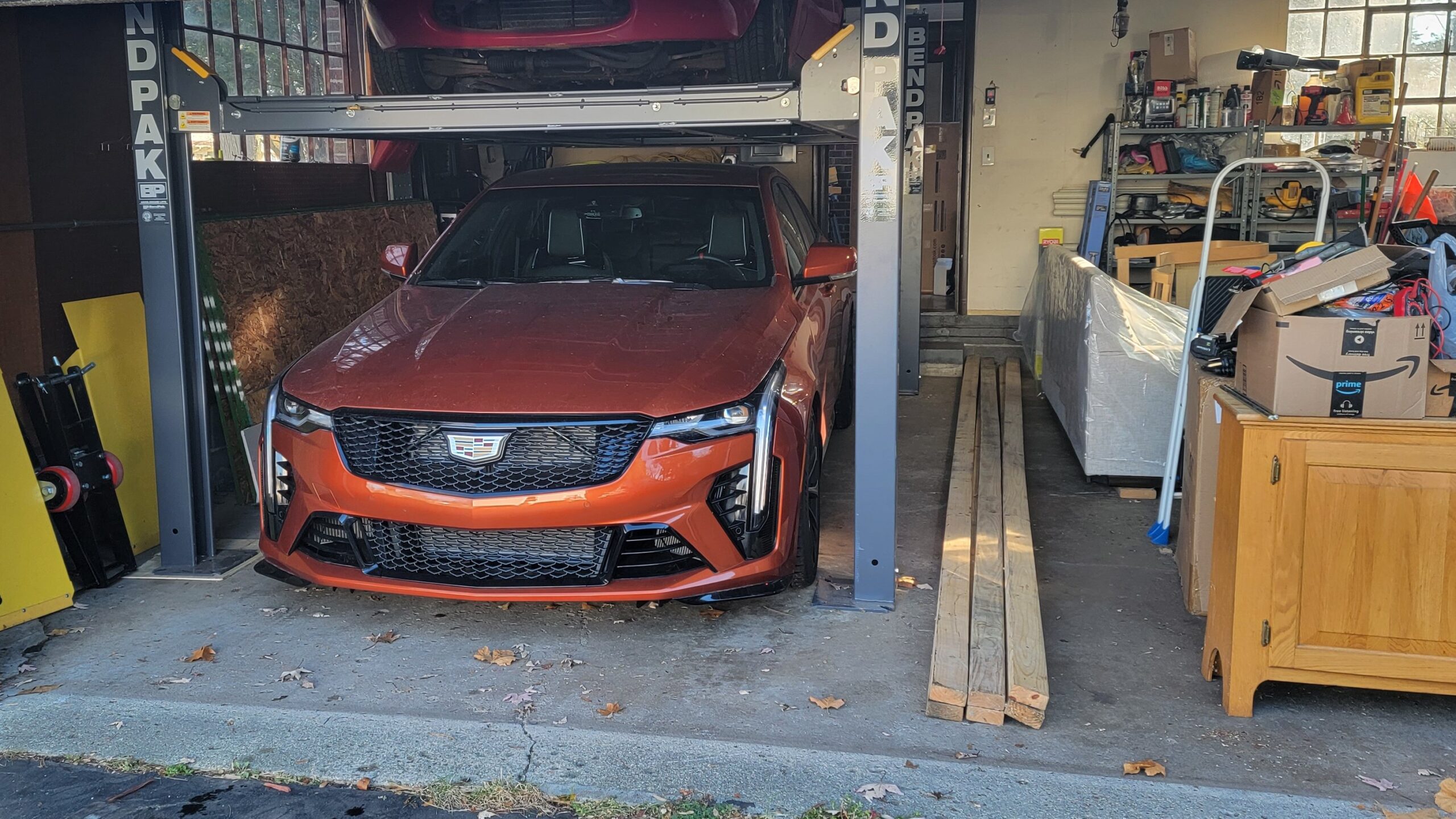
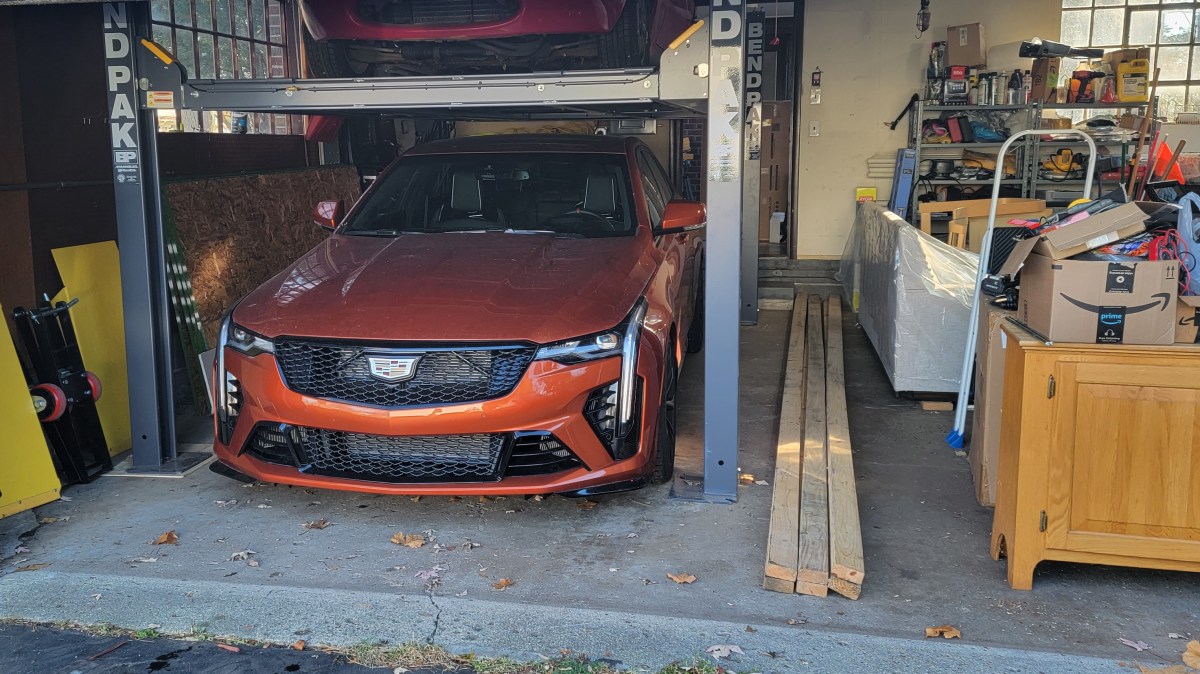
One automotive journalist chronicled his own descent. Four years after moving in, his garage had gone from holding a car with room to spare to a stuffed storage unit, despite living in a 1920s house with a 1940s-era garage that predates the shrinkage trend. His solution is building a new, larger garage, but even that project is constrained by code to 800 square feet.
Most three-car designs at that footprint land around 32 by 25 feet, just deep enough for a big truck but tight on width at roughly 10 feet per bay. He opted for 36 by 22, prioritizing wider bays over depth, designing for the cars he actually owns rather than ticking a box on a real estate listing.
That distinction matters more than it sounds. Developers build garages to satisfy appraisers and listing descriptions. The garage has become a checkbox feature, a number on a spec sheet that implies function without delivering it.
The collision between ever-larger vehicles and ever-smaller garages has no natural resolution in sight. Trucks are not getting smaller. Lots are not getting bigger.
Attics and basements are not coming back. And the stuff keeps accumulating.
Somewhere, a homeowner is pulling into a subdivision with a brand-new half-ton pickup and a garage that was designed to look good in a drone photo. The door goes up, the tape measure comes out, and the truck stays in the driveway.



Share this Story