
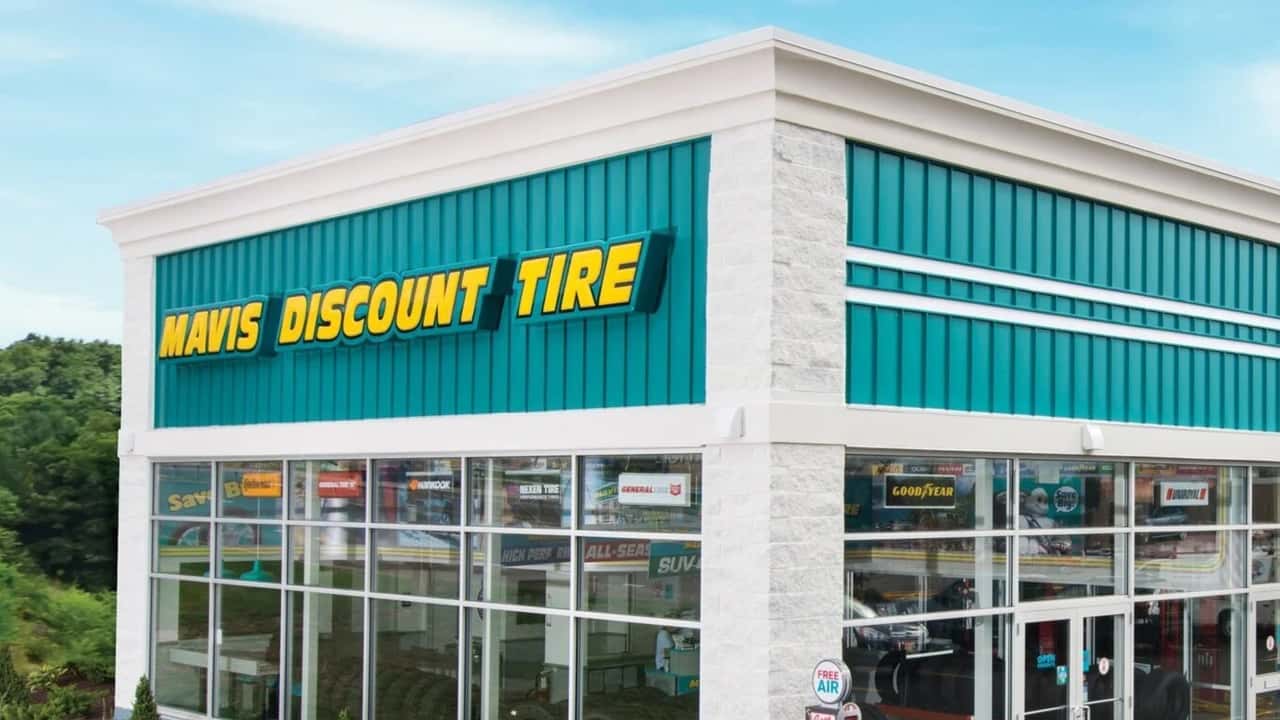


Carl Icahn paid roughly $1 billion for Pep Boys in 2016 after a bruising bidding war with Bridgestone. He’s selling it to Mavis Tire for approximately $700 million. That’s a $300 million haircut on a brand that’s been a fixture of American car culture since 1921.
The deal, announced this week, hands Mavis nearly 800 Pep Boys service locations across the United States and Puerto Rico. It’s an all-cash transaction that immediately reshapes the automotive aftermarket landscape.
Mavis was already the nation’s largest tire retailer. This acquisition makes it something closer to a colossus. The company already operates under a sprawling tent of brands — Midas, NTB, Tire Kingdom, and several others — and Pep Boys is the biggest trophy yet.
The strategic logic is straightforward. Mavis has historically been an East Coast and Midwest operation. Pep Boys gives it a western footprint it couldn’t easily build on its own, with hundreds of locations in markets where Mavis has been a minor player absorbed overnight.
“Pep Boys brings a loyal customer base, deep-rooted market presence across the United States, and a distribution network that will meaningfully enhance our supply chain nationwide,” said David Sorbaro, Mavis co-CEO.
What he didn’t say is that Icahn Enterprises is walking away from this one lighter than it arrived. The billionaire’s company will retain certain Pep Boys real estate assets and hold onto its AAMCO Transmissions and Precision Tune Auto Care businesses. But the flagship brand — the one Icahn fought Bridgestone tooth and nail to acquire — is gone at a discount.
The timing tells a story. Independent auto service chains are under enormous pressure as vehicle complexity rises, electric vehicles require less maintenance, and customer acquisition costs keep climbing. Scale is no longer a luxury in the aftermarket — it’s a survival requirement. Icahn appears to have concluded that Pep Boys needed a bigger platform than he was willing to provide.
This isn’t happening in a vacuum. O’Reilly Automotive recently lobbed a reported $10 billion bid at Genuine Parts Company, the parent of NAPA Auto Parts. The direction of the industry is unmistakable — the independent shop on the corner and the regional chain with 30 locations are being swallowed by consolidators moving at speed.
Mavis, backed by private equity, has been on an acquisition tear for years. The company has grown from a regional tire shop into a national force through relentless deal-making. Pep Boys fits the playbook perfectly: an established name with real estate, brand recognition, and a customer base that walks through the door without being asked.
The Pep Boys name will survive, at least for now. Mavis has kept other acquired brands intact, understanding that a familiar sign on the building is worth more than a corporate rebrand. Manny, Moe, and Jack aren’t going anywhere — they’re just answering to new ownership.
The larger picture is harder to ignore. The automotive aftermarket is consolidating at a pace that would have been unthinkable a decade ago. The mom-and-pop tire shop and the family-owned service center are competing against companies with thousands of locations and purchasing power that dwarfs anything a local operator can muster.
Icahn bought Pep Boys believing he could extract value from a storied brand. Nine years later, he’s selling at a loss to a company that believes the value isn’t in any single brand — it’s in owning all of them.
Share this Story